
Understanding the Process: How a Knee Doctor Diagnoses Common Knee Injuries
Knee injuries can arise from various causes, including sports accidents, repetitive strain, or aging joints. Accurate diagnosis is the foundation of effective treatment, and a knee doctor must take several careful steps to identify the source of pain and dysfunction. From the patient’s first consultation to advanced imaging tests, each phase clarifies the nature and extent of the injury. Misdiagnosis can lead to ineffective treatment or further harm, so the diagnostic process is thorough. We will explore how a knee doctor evaluates symptoms, conducts physical assessments, and uses diagnostic tools to determine the cause of common knee issues.
Steps a Knee Doctor Takes to Diagnose Common Knee Injuries
1. Initial Patient Consultation and Symptom Review
The diagnostic journey begins with a detailed discussion between the patient and the knee doctor in Houston. This initial conversation is more than a routine step; it provides critical clues guiding the diagnostic approach. The doctor begins by asking about the history of the injury—whether it was caused by a specific event like a fall or twist, or whether the pain developed gradually over time.
They also inquire about the location of the pain, its intensity, frequency, and whether any movements or positions make it better or worse. The patient’s lifestyle, occupation, physical activity level, and previous knee problems are also reviewed. All of this information helps narrow down potential causes. For instance, a sudden pop during sports may point toward a ligament tear, while persistent stiffness in an older adult might suggest osteoarthritis. This consultation sets the stage for targeted testing and prevents unnecessary procedures.
2. Physical Examination and Manual Testing Techniques
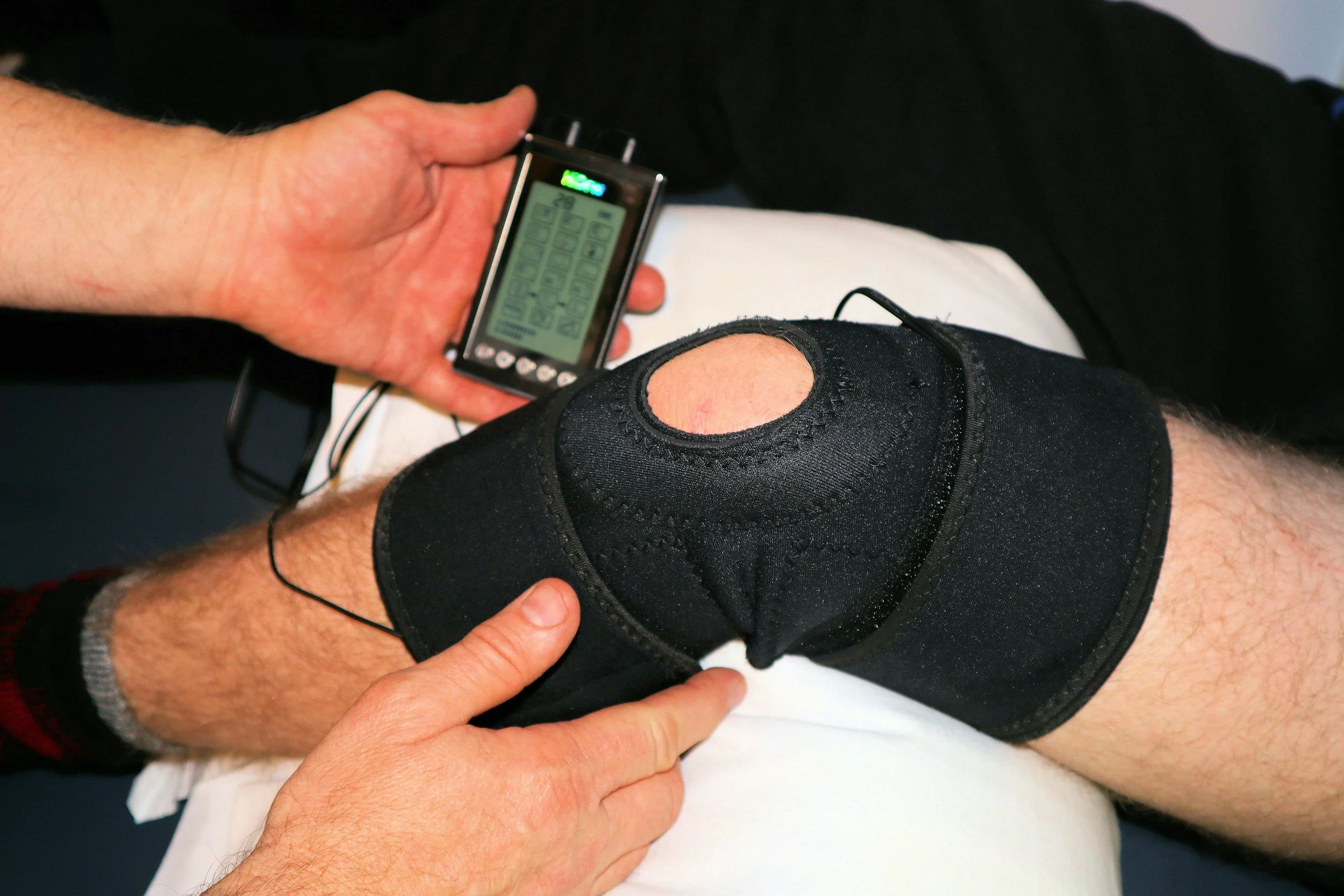
After gathering the patient’s medical background, the knee doctor performs a hands-on physical examination. This phase involves observing the knee's appearance, such as swelling, redness, or deformities. The doctor assesses the range of motion by having the patient bend, straighten, and rotate the knee in specific ways. Gently pressing on different knee areas, manual palpation helps identify tenderness, warmth, or fluid buildup. Special manual tests are also conducted to evaluate the integrity of ligaments, tendons, and cartilage.
For example, the Lachman or anterior drawer test may be used to check for anterior cruciate ligament (ACL) injuries. The McMurray test is commonly performed to detect meniscal tears. Each test targets a particular knee structure and is designed to replicate stress or movement that would cause discomfort if an injury occurs. This hands-on assessment allows the doctor to hypothesize more accurately about what might be wrong.
3. Use of Diagnostic Imaging Tools
The next step often involves imaging if the physical exam suggests a structural injury. The most commonly used tools include X-rays, MRIs, and ultrasound. X-rays help identify bone-related issues, such as fractures or joint alignment problems, but are limited in soft tissue. An MRI provides a much more detailed view, capturing images of ligaments, tendons, cartilage, and even inflammation. It’s the go-to tool for diagnosing ACL tears, meniscus injuries, or cartilage damage. Ultrasound may examine fluid buildup or guide a needle during procedures like aspiration. These tools provide visual confirmation of the doctor’s clinical suspicions. However, imaging isn’t used in every case. If a diagnosis is already clear from symptoms and physical tests, the doctor might skip imaging to save time and cost. When used appropriately, imaging ensures the most accurate and comprehensive view of the knee’s condition.
4. Diagnostic Injections and Lab Tests When Needed
In certain cases, symptoms may remain unclear even after physical exams and imaging. This is when diagnostic injections or lab work come into play. A doctor might inject a local anesthetic into a specific part of the knee to determine if pain relief occurs. If the patient feels significantly better, the source of the problem is likely in that particular joint or structure. Lab tests may also be necessary, especially if infection or autoimmune conditions like rheumatoid arthritis are suspected.
In such cases, fluid may be drawn from the knee and sent to a lab for analysis. Blood tests can also help detect inflammation markers or antibodies that suggest systemic issues. These additional tests are not routine but serve as problem-solving tools in more complex cases. They help the doctor confirm or rule out less obvious causes and ensure no underlying condition is missed in the diagnosis.
Diagnosing knee injuries involves far more than simply identifying where it hurts. From the first patient interview to advanced imaging and movement analysis, every step adds a layer of understanding. A knee doctor must evaluate the joint's structure and function while ruling out possible causes that may mimic similar symptoms. We have explored how symptom history, physical testing, imaging, lab work, and movement assessment come together to form an accurate picture of knee health. This careful and comprehensive approach ensures the right diagnosis and lays the foundation for effective and lasting treatment. By understanding these steps, patients can appreciate the thoughtfulness behind each recommendation and feel more confident in their recovery path.