
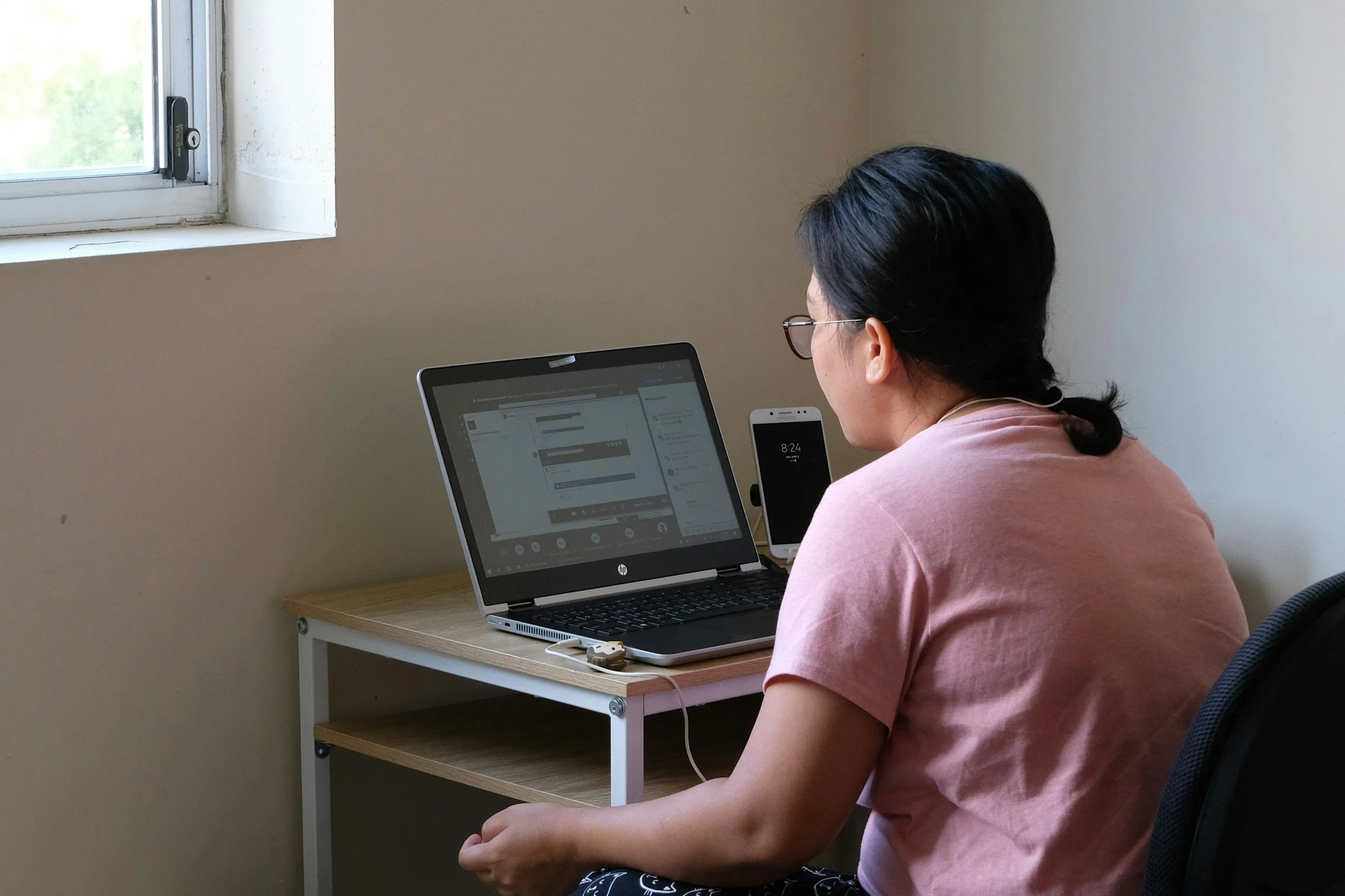
What Should You Expect During Your First Online Psychiatric Appointment?
Attending your first online psychiatric appointment can feel unfamiliar, especially if you are new to telemedicine or seeking mental wellness and psychiatry services in Los Angeles like https://reimaginepsychiatry.com/. People often have questions about what the process involves and how online care might differ from traditional in-person visits
Understanding what to expect can help reduce worry and make your virtual visit more comfortable. Many providers now offer the chance to connect with an expert from home, with flexible scheduling and access to experienced professionals through different platforms.
Introduction and rapport building to make you comfortable
At the start of your first online psychiatric appointment, the clinician will usually greet you and introduce themselves. It’s common for them to explain how the session will go and check if you have any concerns about meeting online.
The first few minutes are often about simple conversation. The clinician may ask how you’re feeling or talk about general topics to help break the ice. This helps to make the setting feel less formal.
Building a connection is important for both you and your clinician. They will listen carefully, make eye contact if video is used, and speak in a friendly way to help you feel more relaxed.
You do not have to share personal details right away. The person you are meeting with understands that trust takes time and may encourage you to share only what you feel ready to discuss. This slow pace is normal and helps you get comfortable before moving forward.
Detailed discussion of your current symptoms and history
During the first online psychiatric appointment, the psychiatrist will ask the patient in detail about their current symptoms. They may ask how long the symptoms have been present, what makes them better or worse, and how they affect daily life. It's common for the doctor to explore both emotional and physical symptoms.
Next, the psychiatrist will discuss the patient's medical and mental health history. This can include past treatments, hospitalizations, and any previous diagnoses. Family history of mental health conditions might also be covered.
Patients are often asked about their use of medications, both current and past. Information about substance use, such as alcohol or drugs, may come up as well. The psychiatrist is trying to get a clear picture to guide future care.
The doctor may also discuss any major events, life stressors, or changes that could relate to the symptoms. The goal is to understand the patient’s experiences and background as fully as possible. This helps the psychiatrist form a plan that fits the patient’s needs.
Review of medical and mental health background
During the first online psychiatric appointment, the provider will start by learning about the patient’s medical and mental health background. This often includes questions about past illnesses, medications, and any family history of mental health concerns.
The provider might ask about current symptoms, how long they have been happening, and what makes them better or worse. They may also talk about past treatments, hospitalizations, or therapy sessions.
It is normal for the provider to ask about physical health as well. Sleep habits, diet, and any use of alcohol or drugs may come up in the discussion.
Patients are encouraged to share information honestly. This helps the provider understand the situation and suggest the most helpful care plan.
Assessment of how symptoms affect daily life and functioning
During a first online psychiatric appointment, the provider will ask about how symptoms are changing in day-to-day life. They may want to know if it’s hard to get out of bed, go to work, or keep up with school. They will also ask about daily routines and any changes in habits or hobbies.
Some questions might focus on how well someone is sleeping, eating, and interacting with others. The provider may also ask if it has become difficult to take care of personal chores or manage responsibilities at home.
This part of the assessment helps the provider understand how much the symptoms are interfering with life. They use the answers to decide what kind of support or treatment might help make things easier. Being honest about struggles with daily tasks is important so the provider can get a clear picture.
Collaboration on potential treatment options and next steps
During the first online psychiatric appointment, the psychiatrist listens to the concerns and symptoms shared. They may ask questions about how the person feels, their daily life, medical history, and past treatments.
Next, the psychiatrist and patient talk about possible treatment options. This could include therapy, medication, lifestyle changes, or a mix of these. The doctor explains why they suggest certain treatments and answers any questions.
The patient and psychiatrist work together to set goals and decide on the next steps. Plans may include scheduling another session, starting treatment, or tracking symptoms in a journal. Working as a team helps the patient feel more comfortable and involved in their own care.
Questions about what to expect from the treatment or possible side effects are welcome during this time. This open discussion helps make sure both the patient and psychiatrist agree on the plan going forward.
Conclusion
The first online psychiatric appointment is a chance to discuss mental health needs in a private and comfortable setting. Each person can expect to answer questions about their history, current issues, and goals.
The session often involves talking about feelings, behaviors, and any concerns the patient may have. Some people find it helpful to keep notes or a list of questions for this meeting.
After the first appointment, the next steps and a plan for follow-up are usually discussed. With clear communication, many feel more at ease moving forward with their care.