A Seasonal Guide to Roof Maintenance for Homeowners
Introduction: Timing is Everything
Homeownership comes with a long list of responsibilities, and roof maintenance often gets pushed aside until a problem arises. However, regular upkeep isn’t just about avoiding leaks or damage—it’s about extending the life of one of the most critical parts of a home. That’s where timing becomes essential.
Seasonal roof maintenance isn’t a once-a-year task; it’s a year-round commitment. Weather shifts, temperature changes, and environmental exposure create different risks at different times of the year. Understanding how to care for your roof throughout the seasons can prevent small issues from turning into major expenses.
For homeowners looking to protect their investment and avoid premature roof replacement, following a strategic, season-based maintenance routine is one of the most effective and affordable approaches.
Spring: Inspection and Early Repairs
Spring is the season of renewal, and that extends to roof maintenance. After months of snow, wind, and ice, your roof may be showing signs of wear. This is the ideal time for a full roof inspection to identify any damage caused by winter storms.
Start by visually checking for missing or curled shingles, sagging areas, or debris accumulation. These issues may seem minor, but they can escalate quickly with spring rains. Also, examine your gutter system—gutter installation doesn’t stop at setup; it requires maintenance to keep water flowing freely.
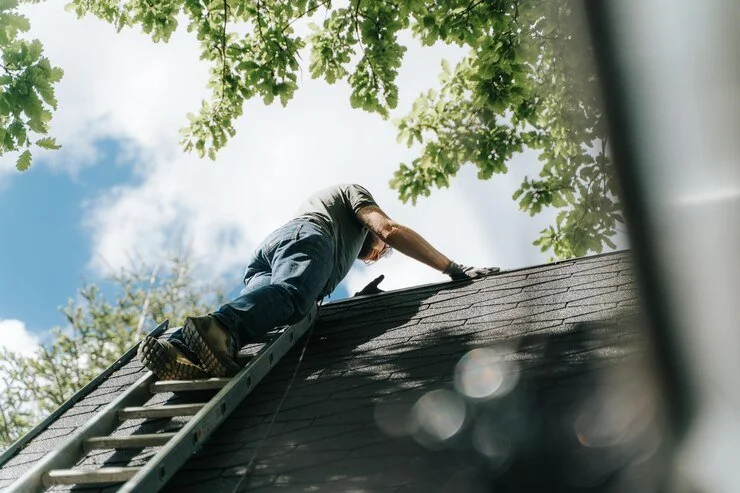
It’s also important to check flashing around chimneys, skylights, and vents. Damaged or loose flashing is a common cause of leaks. Residential roofing systems are particularly vulnerable in these transition areas, and early repair can prevent water infiltration during spring showers.
Companies like AG Exterior Solutions recommend addressing any structural or surface issues before the more intense summer sun begins to degrade materials further.
Summer: UV Defense and Ventilation Checks
While summer might seem like a peaceful time for your roof, the sun’s rays are quietly doing damage. UV radiation accelerates the aging of roofing materials, especially asphalt shingles. Extended exposure leads to cracking, granule loss, and thermal expansion that loosens fasteners over time.
Mid-summer is the perfect moment to assess your roof’s ventilation system. Poor ventilation traps heat in the attic, increasing energy costs and cooking your shingles from the inside out. Roof maintenance during this period should include ensuring attic vents are clear and functioning properly.
Metal roofing systems also benefit from summer inspections. Although highly durable, metal panels can expand and contract with heat. Fasteners should be checked to ensure they remain secure, and any signs of corrosion should be treated early.
If you have porches or decks attached to your home, summer is a good time to coordinate with porch builders or decking professionals to check where these structures connect to your roofline. Any improperly sealed transitions can become future leak points.
Fall: Preparing for Cold Weather
As temperatures begin to drop, it’s time to prepare your roof for the challenges of winter. Fall roof maintenance should focus on clearing debris and inspecting drainage systems to prevent blockages during snowfall.
Leaves, pine needles, and dirt can quickly clog gutters and downspouts, which then leads to water pooling on your roof. This extra moisture becomes particularly dangerous when it freezes and expands. Gutter installation is only the first step; fall clean-out is essential to prevent ice dams later on.
Inspect shingles for brittleness, especially if your area experienced a hot summer. Shingles that have become too dry or fragile won’t survive the rigors of freezing temperatures and snow load.
For homes with metal roofing, fall is a good time to ensure all flashing and sealants are intact. This will prevent ice and melting snow from seeping into the sub-layers.
If your roof has not been inspected in the last 12 months, fall is an ideal time to schedule one. A thorough roof inspection now means you can address issues before they are made worse by snow and freezing temperatures.
Winter: Observation and Light Maintenance
Roof maintenance during winter is less about hands-on tasks and more about observation. Heavy snow and ice make it unsafe to climb onto the roof, but you can monitor its performance from inside and from the ground.
Keep an eye out for interior signs of leaks, like water stains on ceilings or damp attic insulation. These could indicate an ice dam or a compromised section of roofing. If you notice icicles hanging from the roof’s edge, that’s a sign your gutter installation may not be functioning properly or that ventilation needs improvement.
Clearing snow from the roof should be done cautiously and only if necessary. A roof rake can help remove excess snow without causing damage, but avoid scraping too close to the surface. It's best to contact professionals for this task if the accumulation is significant.
Winter is also a time to assess how your roof is handling weight loads. Decking builders often emphasize the importance of structural integrity beneath the roof surface. If you notice sagging areas or unusual sounds during heavy snowfalls, have the structure inspected immediately.
Long-Term Planning and Seasonal Trends
Seasonal maintenance also allows homeowners to plan strategically for roof replacement. By tracking wear and tear across the year, it becomes easier to forecast when major repairs or full replacement might be necessary.
This proactive approach is especially important for those with commercial roofing systems, where failure can disrupt business operations. Regular inspections and upkeep ensure longevity, regardless of roofing type or structure size.
It’s also smart to maintain a roofing journal, noting what was done each season, any observed changes, and materials used. This record becomes invaluable if you ever need to file a warranty claim or explain maintenance history to a contractor.
AG Exterior Solutions encourages property owners to view roof care as a cycle—not a one-time fix. Treating your roof as a living, evolving system ensures it can withstand the seasonal shifts year after year.
Conclusion: Routine with Purpose
Seasonal roof maintenance isn’t just a chore—it’s a strategy. By aligning care routines with the rhythms of nature, homeowners can maximize the performance of their roofing system and avoid unnecessary expenses.
Each season presents different risks, but with proper observation and timely actions, those risks can be minimized. Whether it’s cleaning gutters in the fall, checking ventilation in the summer, or simply watching for leaks in the winter, every task contributes to the long-term resilience of your home.
And while DIY checks are valuable, professional guidance remains essential. Brands like AG Exterior Solutions play a key role in helping homeowners stay ahead of seasonal challenges, ensuring that their roofs remain in top condition year-round.