A Homeowner’s Guide to Understanding Pipe Relining Costs and Why It Matters
Blocked or damaged sewer and stormwater pipes can disrupt daily life, create unpleasant odours and lead to costly repairs if not addressed early. When you are planning maintenance or repairs, it helps to understand how professionals assess and estimate the expenses involved. For a clearer picture of your investment, you can calculate relining costs using Pipe Relining Solutions' estimator, which gives you a tailored estimate based on your specific pipe issues and property needs. Understanding the factors that influence pipe relining prices allows you to plan your budget and choose the best solution for long term performance.
Pipe relining is a modern and minimally invasive method of repairing damaged pipes without extensive digging. Instead of removing old pipes, a new internal lining is created that restores strength and function. While traditional excavation can be disruptive and expensive, relining offers a less invasive option that often saves time and money when done correctly.
What Is Pipe Relining and How Does It Work?
Pipe relining is a trenchless repair process that creates a new, durable pipe within your existing damaged pipe. This method supports long term performance while reducing disruption to lawns, driveways and landscaping.
A Simple Overview
Technicians access the damaged section through existing openings
The old pipe is cleaned and prepared using high pressure water jets
A flexible liner impregnated with resin is inserted into the damaged pipe
The resin cures and forms a new seamless pipe within the old one
The result is a strong, corrosion resistant pipe that can last for decades.
Why Cost Estimates Matter Before You Decide
Knowing what your repair might cost helps you plan ahead, avoid surprises and compare your options confidently.
Benefits of Getting an Estimate
Avoids unexpected bills
Helps compare relining with traditional excavation
Supports budgeting for home maintenance
Enables a well informed decision before committing
Using a professional estimator ensures you receive a cost that reflects your specific situation rather than a guess.
Key Factors That Influence Pipe Relining Costs
Several elements contribute to the final cost of pipe relining.
Pipe Size and Length
Larger and longer runs of damaged pipe require more materials, time and labour to repair.
Extent of Damage
Minor cracks or small holes cost less to fix than widespread cracking, collapse or root intrusion.
Access Points and Location
If pipe access is difficult or limited, additional work may be needed to reach damaged sections.
Pipe Material and Shape
Different pipe materials and older styles sometimes require special preparation or liners.
Required Permits or Council Approvals
In some areas, local council permits are needed before work begins, adding to overall costs.
Understanding these factors helps you see why estimates vary between properties.
How a Professional Estimator Works
Estimators evaluate both visible symptoms and hidden conditions to give you an accurate price range.
Steps in a Reliable Estimate
Discuss the problem with the homeowner
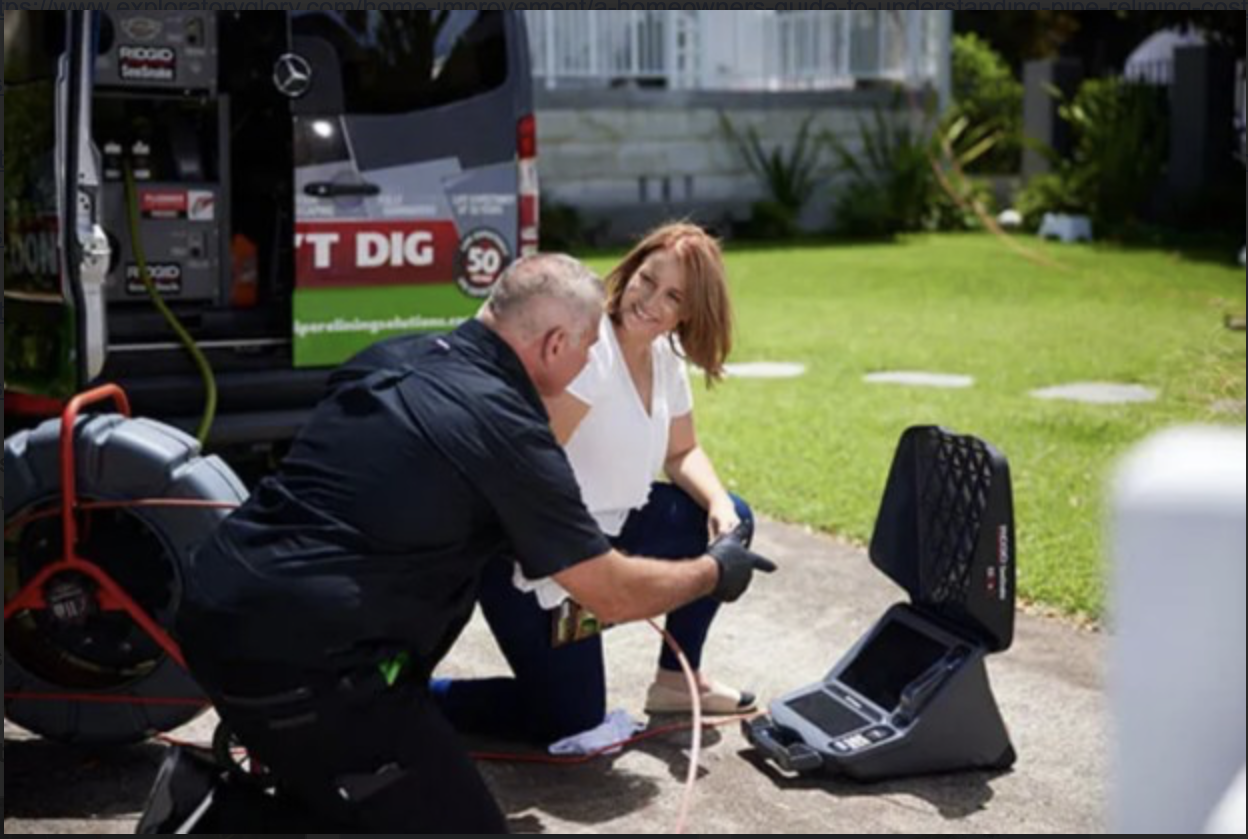
Conduct a detailed CCTV inspection of pipes
Measure the length and note the extent of damage
Recommend the best repair method
Provide a tailored cost estimate based on findings
A thorough assessment gives you confidence that the estimate reflects the true work required.
Benefits of Pipe Relining Over Traditional Excavation
Many homeowners choose relining because it offers several advantages compared with digging up old pipes.
Reduced Property Disruption
Relining avoids extensive trenching, keeping lawns, driveways and gardens intact.
Faster Repair Time
Relining repairs are often completed in a day or two, compared with several days or weeks for excavation.
Durable and Long Lasting
The new internal pipe resists corrosion, leaks and cracking for many years.
Cost Efficiency Over Time
While initial estimates vary, relining often costs less than full excavation and reconstruction, especially when factoring in restoration of landscaping.
These advantages make relining an attractive option for many properties.
Why CCTV Inspections Are Essential Before Relining
Before any estimate is finalised, a CCTV inspection is a critical step.
What CCTV Inspections Reveal
Hidden cracks and fractures
Blockages caused by roots or debris
Pipe offset or misalignment
Collapse or bellied sections
Sediment build up
Without this inspection, cost estimates may not reflect the true extent of pipe damage.
How to Prepare for a Pipe Relining Estimate
Preparing your site ahead of the estimator’s visit helps ensure a smooth and accurate process.
Helpful Preparation Tips
Clear access to drain covers or inspection points
Note recent issues such as slow drainage or foul odours
List any past plumbing work or repairs
Make sure pets are kept safely away
Good preparation helps technicians focus on inspection and diagnosis.
Common Misconceptions About Relining Costs
Relining is often misunderstood, and some assumptions lead to unrealistic expectations.
Misconception 1: Relining Is Always Low Cost
While relining is often cheaper than full excavation, every property is unique and costs vary based on damage severity.
Misconception 2: All Relining Technology Is the Same
Different relining methods and materials exist, and higher quality liners may cost more initially but deliver longer life and better results.
Misconception 3: An Estimate Is a Fixed Price
Estimates are approximate until a detailed assessment is completed. Changes may occur if hidden conditions are discovered.
Understanding these points helps set realistic expectations.
Financing and Budgeting for Pipe Relining
Repair work is sometimes urgent. Understanding your budgeting options helps you make a timely decision.
Ways to Plan for Costs
Include relining in your annual home maintenance budget
Discuss payment options with your provider
Compare estimates from multiple reputable companies
Prioritise safety and long term value over short term price
Planning ahead gives you the freedom to choose the best solution without financial stress.
Maintaining Pipes After Relining
Once relining is complete, some simple habits help protect your investment.
Aftercare Tips
Avoid pouring grease and oils into drains
Use drain strainers to catch hair and debris
Schedule periodic CCTV inspections
Address minor blockages promptly
Keep drains clear with regular maintenance
Routine care supports long term pipe health and prevents future repairs.
When Relining Is Not Suitable
While relining suits many situations, some conditions require traditional excavation or hybrid methods.
Cases Where Relining May Not Work
Severe structural collapse of pipes
Massive root intrusion that cannot be bypassed
Pipes with extreme misalignment
Certain older pipe designs that resist liner adhesion
In these situations, professionals help you compare the right repair method with cost implications.
Conclusion
Knowing how costs are calculated and what affects pricing helps you make informed decisions about pipe repairs. When you want to calculate relining costs using Pipe Relining Solutions' estimator, you gain a clearer understanding of what your property requires and how much it may cost. Whether you are dealing with slow drains, root intrusion or cracked pipes, accurate estimates help you plan a repair that protects your home and minimises disruption.
Choosing the right repair method, understanding cost factors and preparing your property for work empowers you to manage maintenance confidently. With thoughtful planning and professional support, you can maintain a reliable plumbing system and avoid unexpected expenses.