Do You Need Heavy Duty Shade? How to Tell If Standard Structures Aren’t Enough
A weak shade structure can cost you more than you think. One bad storm can wipe out thousands of dollars in repairs or replacements.
That’s why more businesses are turning to heavy duty commercial shade sails. These aren’t your average covers; they’re built to stay up, strong, and useful.
If your current setup keeps sagging, tearing, or flapping in the wind, it may not be enough. Shade should protect people, not add stress. The right solution should work in every season, not just when the weather’s nice.
So, how do you know it’s time to upgrade? Let’s break it down.
What Counts as “Heavy Duty”? Let’s Get Clear
Not all shade sails are built the same.
Just because something looks strong doesn’t mean it can handle real pressure. So what makes a shade sail truly heavy-duty?
It comes down to materials, strength, and how it’s made.
Fabric matters. Heavy-duty sails use thick, UV-stabilized fabrics like HDPE or PVC-coated polyester. These resist tears, fading, and weather damage far better than standard cloth.
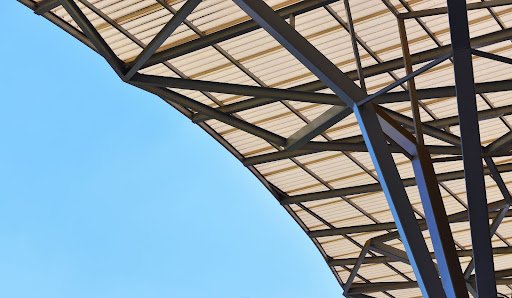
Support counts. Strong shade sails need strong frames. That means steel posts, reinforced corners, and tensioning systems that keep everything tight.
Built for weather. They’re rated for high winds and harsh sun. Some even stand up to storms without needing to come down.
If it only works in “mild” weather, it’s not heavy duty. Real commercial sails are built to stay up year-round. They’re engineered, not just stretched and tied.
Think long-term. Heavy-duty means fewer fixes, better protection, and a shade structure you won’t have to replace after every season.
Looking for a solution that’s truly built to last? You’ll want to explore heavy duty commercial shade sails by ShadePro, designed for maximum durability, even in the toughest outdoor environments.
Signs Your Current Shade Structure Isn’t Enough
Still wondering if you need an upgrade? Let’s look at the warning signs. These are the red flags that your current setup isn’t doing its job and probably won’t last much longer.
1. You’re Always Fixing Something
Are you tightening cables every few weeks? Replacing ripped fabric? Spending time or money on quick fixes? That’s a sign your system isn’t strong enough.
2. Wind Makes You Nervous
Standard sails move a lot. If yours flaps, sways, or pulls out during windy days, it’s not built for commercial use. Heavy duty structures stay firm and safe, even when the weather turns.
3. Shade Isn’t Where You Need It
If the sun shifts and your seating area gets blasted with heat by 11 a.m., your coverage isn’t wide or angled enough. Heavy duty sails can be custom-designed to block the sun all day long.
4. Fabric Looks Worn After One Season
Faded colors, sagging fabric, and water pooling? Cheap sails break down fast in the sun. You should get years, not months, of solid protection.
If two or more of these apply to you, it’s time to start planning a smarter solution. Your shade structure should make life easier, not add to your to-do list.
Where Heavy Duty Shade Sails Work Best
Let’s say you’re running a school, a restaurant, or managing a busy public space. You’ve already seen what a little sun or a sudden windstorm can do to a standard shade sail.
One minute, it looks fine. Next, it’s sagging, flapping, or worse, torn in half. That’s why heavy-duty shade sails aren’t just a nice upgrade. In some places, they’re a must.
Picture a school playground in July.
The sun is beating down, and the playground equipment is too hot to touch. A few trees offer some relief, but not enough for dozens of kids trying to enjoy recess.
A properly installed, commercial-grade shade sail? It cools the space, keeps kids safe, and stands up to wind gusts that would tear cheaper fabric apart.
Now, imagine a restaurant with outdoor seating.
It’s your busiest season. The patio should be full, but guests are rushing to get indoors because the sun is just too intense. That’s lost revenue. Heavy-duty sails provide wide, even coverage and turn that patio into a space people actually want to sit and spend money.
Or think about your parking area or drive-thru lane.
Customers are waiting in hot cars. Employees on their feet in full sun. Without shade, everyone’s experience suffers—and so does your brand. Shade that holds up year-round changes that.
Heavy-duty sails work best in places that see regular use, high foot traffic, or tough weather. They’re made for people who can’t afford to shut down when the weather turns. If you’ve ever had to cancel, close, or compromise because your shade wasn’t cutting it, then you already know—it’s time to level up.
What to Look for in a High-Performance Shade Sail
Buying a commercial shade sail isn’t like picking out a beach umbrella. It’s a serious investment.
And the wrong choice? It won’t just waste your budget. I could cost you even more in repairs, replacements, and lost business down the line.
So, how do you spot quality before it’s installed? Here’s what to look for, starting from the ground up.
First, the fabric.
You want material that doesn’t just block the sun but stands up to it day after day. Look for high-density polyethylene (HDPE) or PVC-coated fabrics. These don’t stretch out, they don’t sag, and they don’t give up after one storm. If it feels thin or soft in your hands, it’s not the right fit for a commercial setup.
Next, the frame.
Forget plastic or aluminum poles from a hardware store. A heavy duty sail should come with powder-coated steel posts, anchored deep and wide. Reinforced corners with stainless steel D-rings help distribute tension and prevent tearing, even when the wind picks up.
Now, the hardware.
Cheap sails rely on rope and carabiners. High-quality systems use tensioners like turnbuckles or commercial-grade fittings that keep your sail tight and secure without daily adjusting.
And don’t skip wind ratings.
This is big. A proper commercial shade sail should be engineered to withstand high wind loads, often 90 mph or more, especially if you’re in a storm-prone area. If the product doesn’t list wind or snow load specs, move on.
Last, check the warranty.
A short warranty usually signals cheap construction. Look for at least a 10-year warranty on the fabric and a solid guarantee on hardware and installation.
The best providers stand by their work, and they don’t expect you to replace the sail every two years.
Choosing a shade sail isn’t just about picking something that looks good. It’s about picking something that lasts. Something that protects your investment, your people, and your peace of mind.
Get the Shade That Works as Hard as You Do
If your current shade setup struggles with wind, sun, or wear, it’s time for an upgrade. You need something built to last, something that works every day, in every season.
Heavy-duty shade structures aren’t just stronger. They give you peace of mind, fewer repairs, and a space that stays open and usable no matter the weather. Whether you're covering a patio, playground, or parking area, the right structure makes all the difference.
Ready to build something that holds up? Let’s make your space safer, cooler, and built for the long haul.
More Home Improvement Articles