How Electricians Diagnose and Repair Flickering Lights?
Wondering if flickering lights are a sign that it’s time to search for an electrician near me? Flickering lights are often overlooked as minor annoyances, but they can signal more than just a loose bulb. When lights start to blink, dim unexpectedly, or pulse with electrical irregularity, they might be hinting at a deeper issue within the electrical system. Whether it’s isolated to one room or happening throughout the house, flickering can indicate anything from a faulty switch to dangerous wiring conditions. Sometimes the problem stems from aging infrastructure, while in other cases, it can be due to power-hungry appliances creating voltage fluctuations. Homeowners might find themselves constantly tightening bulbs or replacing fixtures without understanding why the issue persists. Addressing flickering lights promptly ensures both safety and peace of mind. It’s not just about improving illumination—it's about catching early signs of electrical instability before they escalate into something more hazardous.
When Lights Start to Dance
Understanding the Source of the Flicker
Flickering lights can have several root causes, and identifying the right one is the first step for any electrician. The most common reason is a poor connection, either in the socket, the wiring, or the circuit. In many cases, a single fixture may be to blame due to a worn-out switch or loose wiring behind the wall. However, when the flickering extends across multiple areas of the house, the issue might stem from the electrical panel or main service line. Diagnosing flickers involves isolating whether the problem is specific or systemic. A single lamp with inconsistent brightness might need a new socket or a rewired switch. But when multiple lights dim when appliances start up, it points toward a more significant capacity issue with the system. In Yakima households, an electrician in Yakima, WA, often begins with a visual inspection, followed by voltage monitoring equipment that detects fluctuations over time.
2. Loose Wires and Corroded Connections
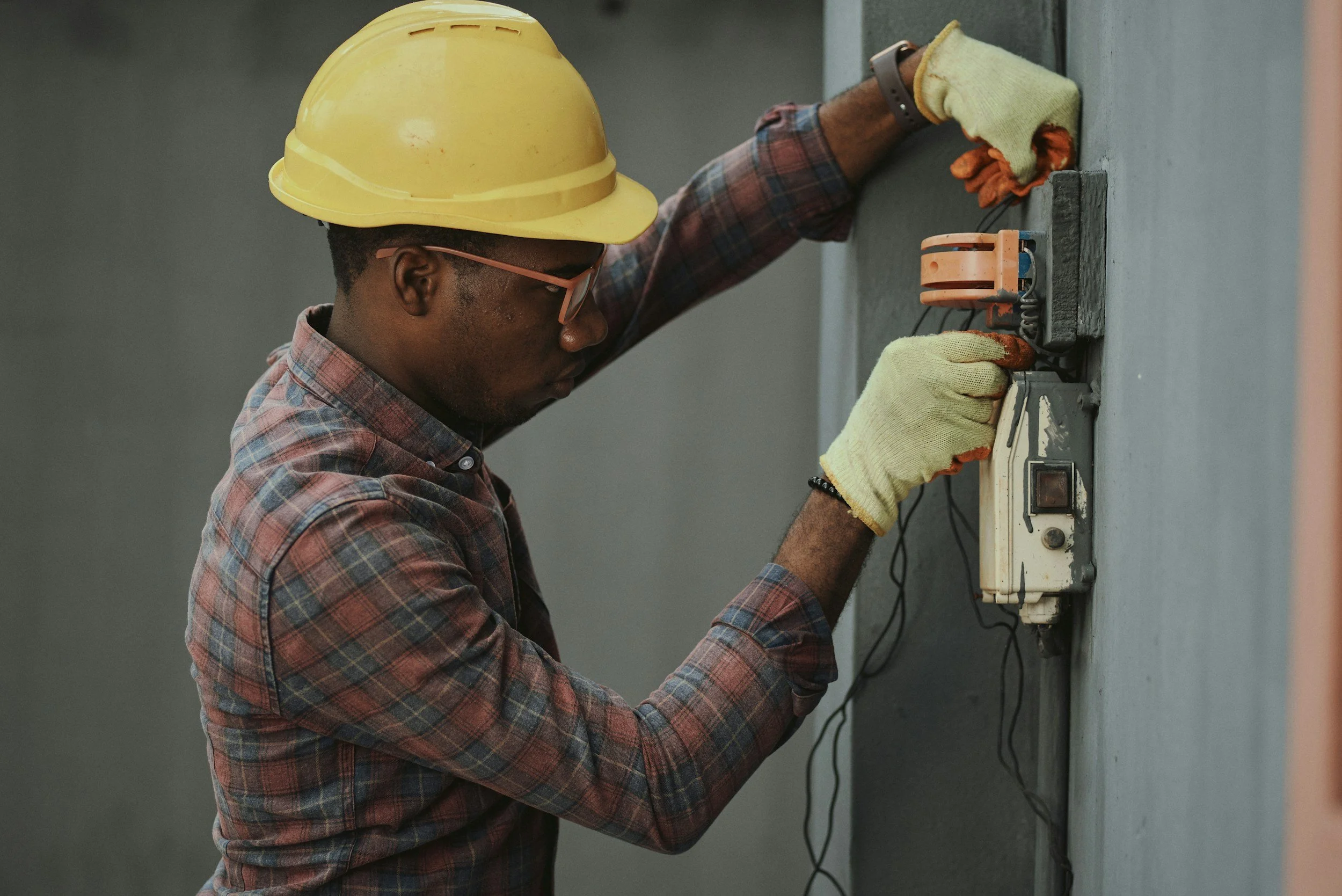
One of the most frequent culprits behind flickering lights is a loose or corroded wire connection. Over time, wires can shift due to vibration, temperature changes, or wear from electrical load. Even a tiny gap can result in arcing, where electricity jumps between connections, causing lights to flash or dim briefly. Arcing is particularly dangerous because it generates heat, which can degrade insulation or even lead to fires. Electricians use circuit testers and thermal cameras to locate overheating points or faulty links in junction boxes. In homes with aluminum wiring—common in older constructions—these issues become even more prominent, as aluminum expands and contracts more than copper. Repairing such connections requires not just tightening, but potentially replacing connectors or even rewiring portions of a circuit to restore safe and steady current flow.
3. Panel Issues and System Overload
The electrical panel is the control center for all power distributed throughout the home. When lights flicker across multiple rooms, especially when appliances are running, the issue may be due to panel deficiencies. Panels that are outdated or overloaded may not distribute power evenly, creating fluctuations in voltage that manifest as flickering. Another sign of trouble is the frequent tripping of breakers, often accompanied by lighting problems. In such cases, the panel may need to be upgraded to meet modern electrical demands or rewired to ensure that the circuits are properly balanced. An electrician will test for voltage drop under load conditions, ensuring that the system doesn’t experience performance dips when specific appliances are in use. This assessment helps determine whether the issue lies within the panel itself or is caused by external factors, such as utility supply inconsistencies.
4. Appliances and Shared Circuits
Heavy-duty appliances, such as HVAC systems, washing machines, and ovens, can cause flickering issues when they share circuits with lighting fixtures. These devices draw large amounts of current when they cycle on, briefly affecting the voltage available to other electronics. If your kitchen lights dim whenever the fridge starts up, both are likely connected to the same branch circuit. Electricians resolve these problems by redistributing loads or installing dedicated circuits for high-draw appliances. This not only stabilizes the lighting but also prolongs the life of your equipment by preventing electrical strain. In some homes, surge protectors or voltage regulators are added to avoid brief drops from affecting the overall lighting experience. Identifying this kind of interaction requires careful tracking of when flickering happens and correlating it to appliance usage.
Diagnosing and repairing flickering lights is more than just a cosmetic fix—it’s an essential maintenance step that protects the integrity of your electrical system. From a single faulty fixture to an overloaded panel, the causes of flickering can vary widely, and so do the solutions. An experienced electrician brings both the tools and the knowledge to trace the root of the problem, without guesswork, accurately. Whether it’s securing a loose wire, replacing a corroded switch, or upgrading your home’s electrical service, each fix contributes to a safer and more stable environment. Addressing flickers early on ensures that minor annoyances don’t evolve into costly emergencies. For homeowners noticing these telltale signs, taking action now with professional support can help avoid more considerable risks down the line—and brighten your home’s future in more ways than one.