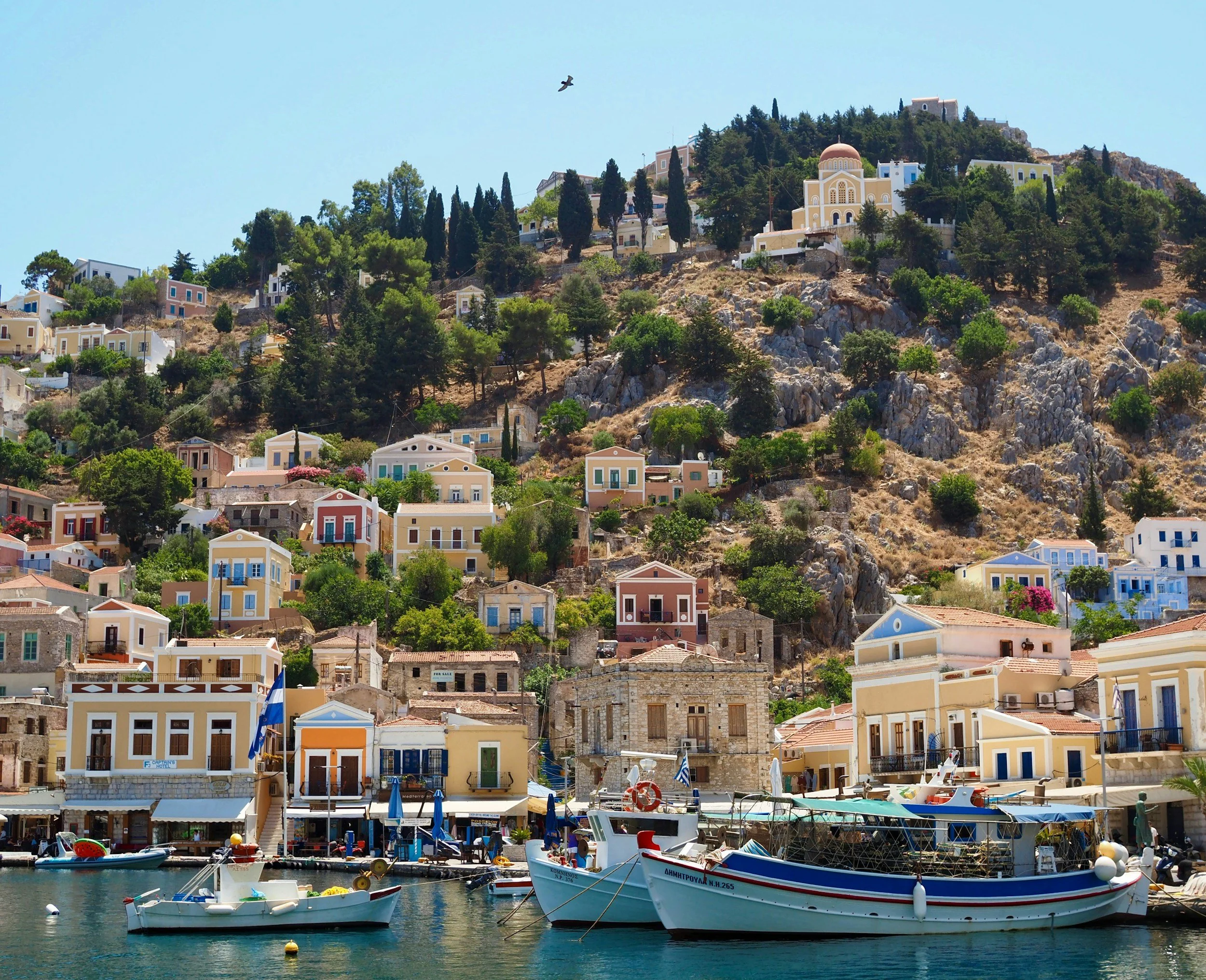
Greece Beyond the Postcard: How to Plan a Trip That Actually Feels Like Discovery
There's a version of Greece that most travelers never see. It exists between the cruise ship ports and the Instagram hotspots, in places where fishermen still mend their nets at dawn and taverna owners refuse to let you pay for the second carafe of wine.
I spent three weeks wandering through Greece last spring with no fixed itinerary and a stubborn refusal to eat anywhere with laminated menus. What I brought home wasn't just a camera roll full of blue domes and turquoise water — it was a fundamentally different understanding of what this country has to offer when you let it surprise you.
If you're planning a Greek trip for 2026, here's my honest advice: stop treating Greece like a checklist and start treating it like a conversation. The country has far more to say than most visitors give it the chance to reveal.
The Island Question Everyone Gets Wrong
Let's get this out of the way, because I know it's the first thing on your mind. Which island should you visit?
The internet has turned this into a binary debate, and if you've spent any time researching, you've probably stumbled across the classic santorini vs mykonos dilemma. And look — that comparison is genuinely useful if you're trying to decide between romantic caldera sunsets and golden-sand beach clubs. Both islands earn their reputations. Santorini's volcanic cliffs really do glow like something out of a Renaissance painting when the sun drops below the horizon, and Mykonos genuinely delivers one of the best beach-to-nightlife transitions in the Mediterranean.
But here's the thing nobody tells you on travel forums: the Cyclades are not the entirety of Greece, and they're not even the part most Greeks would recommend first.
I watched a Greek friend physically wince when I told him I was "doing the islands." He grabbed my arm and said, very seriously, "You have to go to the Peloponnese. Promise me." I promised. And it changed the entire shape of my trip.
The Mainland That Outshines the Islands
The Peloponnese peninsula hangs off the southern edge of mainland Greece like an outstretched hand reaching toward Crete. Most international visitors fly right over it on their way to the islands, which is a spectacular miscalculation.
This is where Greek civilization essentially began. Mycenae, the Bronze Age citadel of Agamemnon, sits on a windswept hilltop surrounded by olive groves and silence. Ancient Epidaurus holds an amphitheater so acoustically perfect that you can hear a coin drop on stage from the last row of seats. Olympia — the actual birthplace of the Olympic Games — still has the stone starting blocks where athletes crouched nearly three thousand years ago.
But what captured me more than the ruins was the rhythm of daily life. In the small coastal towns of the eastern Peloponnese, the pace felt genuinely different from anywhere else I'd been in Europe. Morning coffee lasted two hours. Lunch bled into the afternoon. Strangers invited me to sit, to eat, to argue about football.
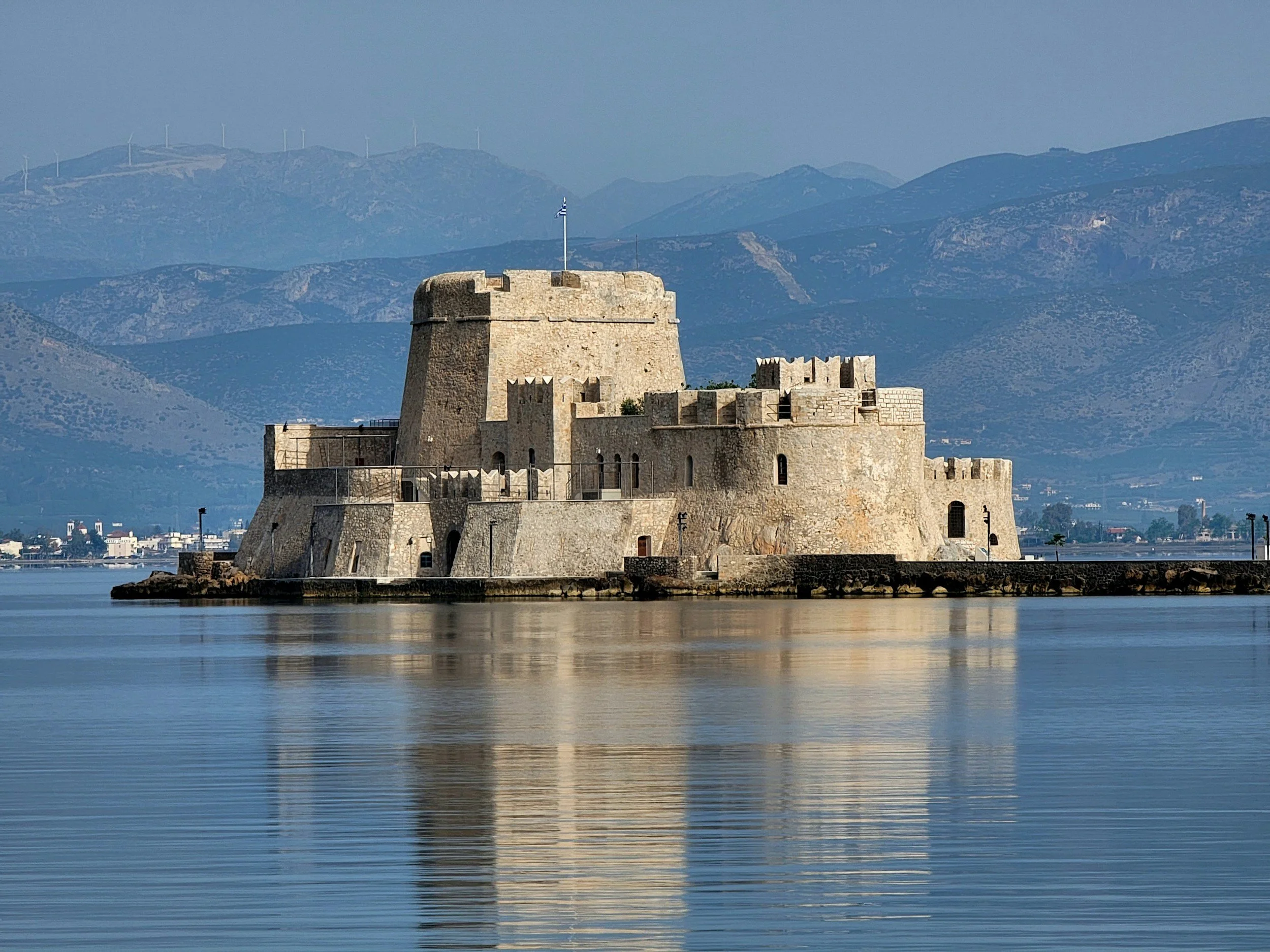
The town that crystallized this feeling for me was nafplio, a port city that served as Greece's first modern capital before Athens took over in 1834. It felt like someone had compressed the best parts of Venice, a Greek village, and a Bavarian town into a single walkable waterfront. Narrow streets tangled with bougainvillea led to hidden squares. A Venetian fortress perched above everything, accessible by climbing roughly nine hundred steps carved into the rock — or by taking a considerably more civilized taxi around the back.
What set Nafplio apart from the island towns I'd visited was its lack of performance. Nobody was staging anything for visitors. The old man playing backgammon at the kafeneío wasn't a character — he was just a guy who'd been sitting in that same chair every afternoon for thirty years. The baker wasn't artisanal; she was simply making the bread her mother taught her to make. That kind of authenticity can't be manufactured, and once you've tasted it, the polished surfaces of more touristy destinations start to feel a little hollow.
Building an Itinerary That Breathes
The biggest mistake I see travelers make when planning Greece is cramming too many stops into too few days. Island-hopping sounds romantic until you're spending your fourth morning hauling luggage onto a ferry at six a.m. while questioning every life choice that brought you to this moment.
My suggestion is to pick two regions and give each one real time. A week split between Athens and the Peloponnese, for instance, covers an extraordinary range of experiences without the logistical headaches of inter-island transfers. You get the urban energy and world-class museums of Athens, then the archaeological depth and slow-living charm of the mainland, all connected by a straightforward two-hour drive.
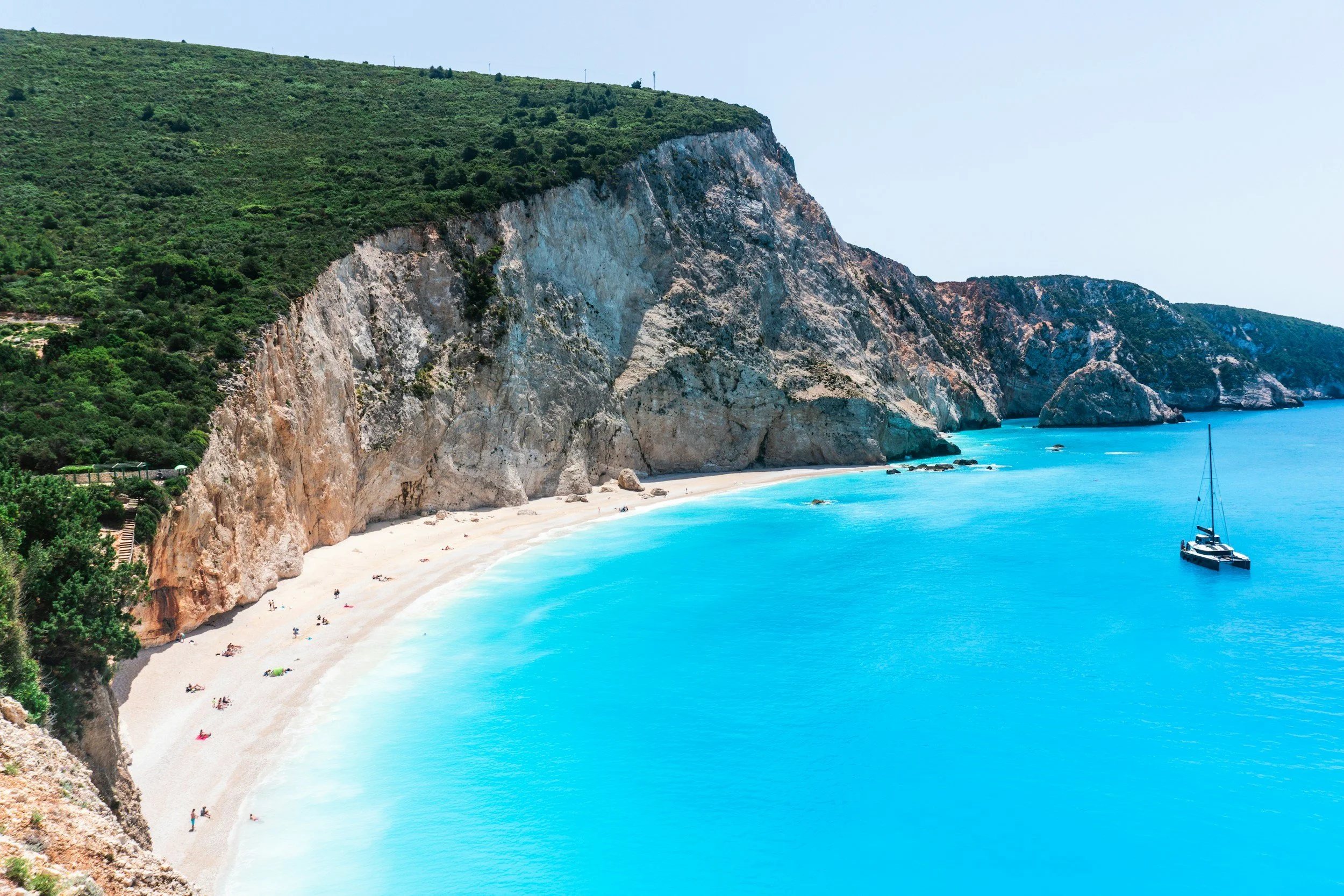
If islands are non-negotiable — and I understand the pull, because the Aegean Sea is genuinely one of the most beautiful bodies of water on earth — consider pairing one island stay with mainland time rather than hopping between three or four islands. Four nights on Santorini or Mykonos followed by four nights exploring the Peloponnese gives you contrast, variety, and enough breathing room to actually absorb where you are instead of constantly preparing for the next departure.
The Practical Stuff Nobody Glamorizes
A few things I wish someone had told me before my first trip to Greece.
Shoulder season is the real secret weapon. Late September and early October deliver warm swimming weather, dramatically reduced crowds, and prices that drop by a third compared to July and August. The light in Greece during October is genuinely extraordinary — golden and soft, like the whole country is being photographed through a filter that doesn't exist on any app.
Renting a car on the mainland is almost essential and surprisingly affordable. Greek drivers have a reputation for aggression, but outside of Athens, the roads are mostly empty and the signage is decent. Having wheels means you can reach villages and beaches that public transport simply doesn't serve, which is where some of the most memorable experiences live.
Eat where the Greeks eat. This sounds like obvious advice, but it's shockingly easy to ignore when you're hungry and the nearest restaurant has an English menu and a seaside terrace. Walk one block inland from any waterfront promenade and the food quality usually doubles while the prices halve. Look for places where the menu is handwritten, the wine comes in a metal jug, and someone's grandmother is visible in the kitchen.
Learn five words of Greek. Kalimera (good morning), efcharistó (thank you), parakaló (please/you're welcome), yamas (cheers), and ne (yes — which confusingly sounds like "neh"). These five words, deployed with a smile and even terrible pronunciation, will transform the way locals interact with you. Greeks are enormously generous people, but they're even more generous when they see you making the effort.
Why Greece Keeps Pulling People Back
I've traveled enough to know that some destinations are one-and-done. You visit, you see the sights, you check it off. Greece isn't one of those places. Every person I know who has been to Greece more than once says some version of the same thing: each trip reveals a different country.
The first visit is about the icons — the Acropolis, the blue domes, the sunsets. The second visit is about depth — the mainland archaeological sites, the lesser-known islands, the regional food traditions that vary dramatically between the Ionian and the Aegean. By the third visit, you've stopped being a tourist entirely. You have a favorite taverna. You know the ferry schedules by heart. You've developed opinions about olive oil.
That progression — from sightseeing to understanding — is what separates a good trip from a transformative one. Greece has a way of rewarding curiosity, of opening up in layers, of giving you exactly as much as you're willing to look for.
So plan your trip. Read the guides. Compare the islands. But leave room in your itinerary for the things you haven't planned, because the best moments in Greece are almost always the ones you didn't see coming.
Have you traveled to Greece recently? Share your favorite hidden gem in the comments — I'm always looking for an excuse to go back.