Clamp and Conquer: How Industrial-Grade Pipe Solutions Are Reshaping Emergency Plumbing
Emergencies don’t knock, they burst. Whether it's a ruptured water main beneath a busy road or a split pipe under your kitchen sink, time is the most critical factor in minimizing damage. What used to require hours of downtime, wall demolition, and costly replacements can now often be handled with one thing: the right clamp. That’s not just innovation, it’s adaptation from the industrial world making its way into the residential plumbing playbook. When speed and stability are non-negotiable, emergency plumbers are drawing inspiration from the same heavy-duty clamps and couplings trusted by municipal crews and utility contractors. For professionals seeking the highest grade of reliability, it’s worth it to contact Blair Supply USA and explore a full range of industry-trusted solutions.
Big Leaks, Big Ideas: When Infrastructure Teaches the Home
In the world of large-scale utility repair, clamps aren’t a backup plan, they're the front line. Designed to contain and seal damage on pressurized pipes, industrial repair clamps are used every day to restore service lines without shutting down entire neighborhoods. These aren’t band-aids, they’re engineered reinforcements that create a pressure-resilient seal in minutes.
Emergency plumbing teams have taken notice. While residential pipework doesn’t usually deal with the same volume and velocity as industrial systems, the basic need is the same: act fast and restore flow with minimal disruption. And that’s where the crossover begins. Emergency plumbers are now using scaled-down versions of the same clamps used on ductile iron, PVC, steel, and copper pipes in water districts across the country. It’s a smart marriage of utility-grade toughness with household-level efficiency.
From Utility Trucks to Service Vans: A New Era in Home Plumbing
Historically, emergency plumbing was a waiting game: wait for the leak to show, wait to cut into drywall, wait to replace whole pipe sections. But modern service vans are being equipped with faster answers. Using quick-seal clamps and couplings, techs can now contain and reroute leaking lines in far less time, sometimes without even removing major fixtures.
This evolution is especially visible in companies that specialize in around-the-clock response work. The crews at the www.sandiegoemergencyplumbing.com website are a prime example of this shift. Armed with a combination of clamp kits, diagnostic cameras, and flexible fittings, their goal isn’t to “temporarily stop” leaks; it’s to make solid, lasting repairs that are up to spec with modern codes and customer expectations.
How Clamp-Driven Repairs Work
Behind the simplicity of a clamp lies years of engineering. At its core, a clamp repair involves positioning a lined metal band over a damaged section of pipe, tightening the band to create a compression seal, and then testing to ensure full containment. These clamps can accommodate slight imperfections in shape or alignment, making them ideal for both emergency repairs and aging infrastructure.
In the hands of an experienced plumber, this approach can turn a 3-hour ordeal into a 30-minute fix. Instead of replacing entire segments of pipe, the goal is containment, reinforcement, and rapid restoration. That’s a massive shift in both mindset and efficiency, and one that continues to evolve with each new generation of clamp designs.
Real-World Rescue: The Difference a Clamp Can Make
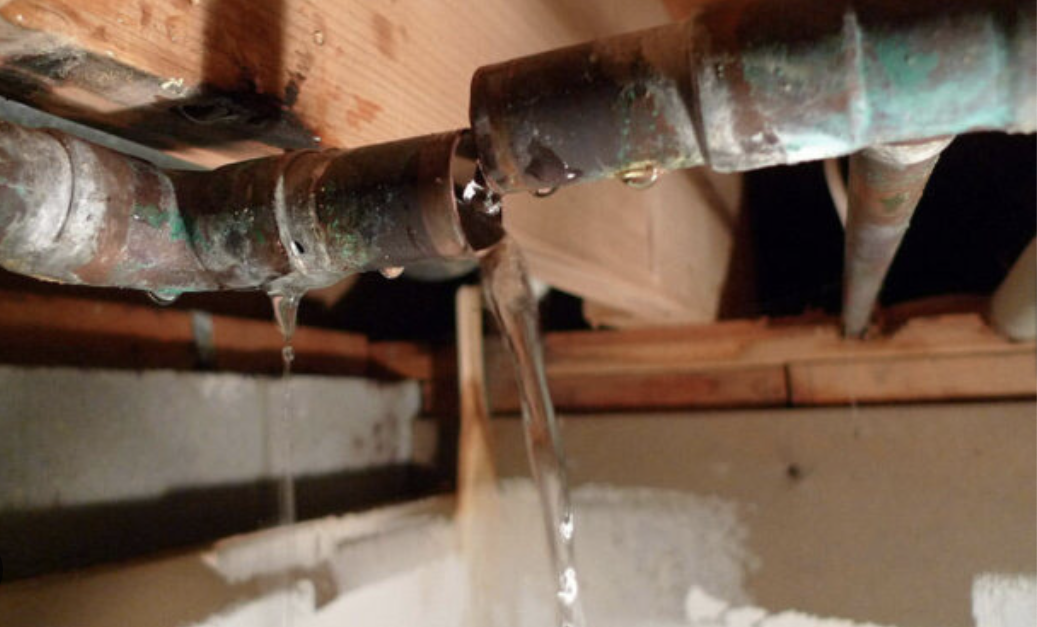
Let’s paint a picture. Imagine waking up to the sound of running water, only it's not the shower. A copper pipe behind your kitchen wall has split at a joint. Old plumbing, mixed pressure, and years of wear have finally caught up. The traditional route? Shut off the water, open the wall, cut out the pipe, sweat in a new section, and hope it holds.
Now imagine a plumber shows up, pinpoints the exact leak with a handheld scope, slips a stainless clamp around the pipe, secures it, and tests the flow, all without tearing into your cabinetry. The fix is clean, code-compliant, and finished before you’ve even made coffee. That’s not science fiction. It’s today’s clamp-powered standard.
Why This Matters More Than Ever
Our relationship with home maintenance is changing. Homeowners are more aware of their plumbing systems and less tolerant of disruptive, prolonged repairs. And plumbers? They’re no longer just repair people, they’re problem solvers equipped with tools that can rival industrial-grade solutions.
More importantly, emergency repair strategies need to evolve because the consequences of delay are growing. Water damage from unresolved leaks can quickly lead to mold, compromised structural integrity, and soaring insurance costs. Time is money, and clamps, in this context, are both a timesaver and a moneymaker.
The Takeaway: Smart Fixes Mean Safer Homes
At the end of the day, clamps and couplings might not sound glamorous, but their impact is enormous. They're the unsung heroes of both city-wide pipe networks and the sink under your stairs. The faster they work, the less you’ll notice they were ever there, and that’s the true sign of a great repair.
So whether you're managing a utility system or protecting a home from flood damage, the solution may be closer and simpler than you think. From heavy-duty industrial clamps to rapid-response plumbing services, one thing is clear: control the leak, and you control the chaos.