How to Boost Your Home’s Value Before Selling
You finally made the decision. It’s time to sell your house. Maybe you’re relocating, upsizing, or cashing in on your investment. But before that “For Sale” sign hits your lawn, you’ve got one question to answer: how do I get top dollar without spending a fortune?
The truth is, you don’t need a full remodel to raise your home’s value. What you need is a strategy. With a few smart updates and the right mindset, you can attract better offers faster and with a lot less stress.
This guide isn’t full of luxury design trends or expensive projects. These are the practical tips real estate pros use every day to help sellers make the most of what they already have.
Start With the First Impression (It’s Not Just the Curb)
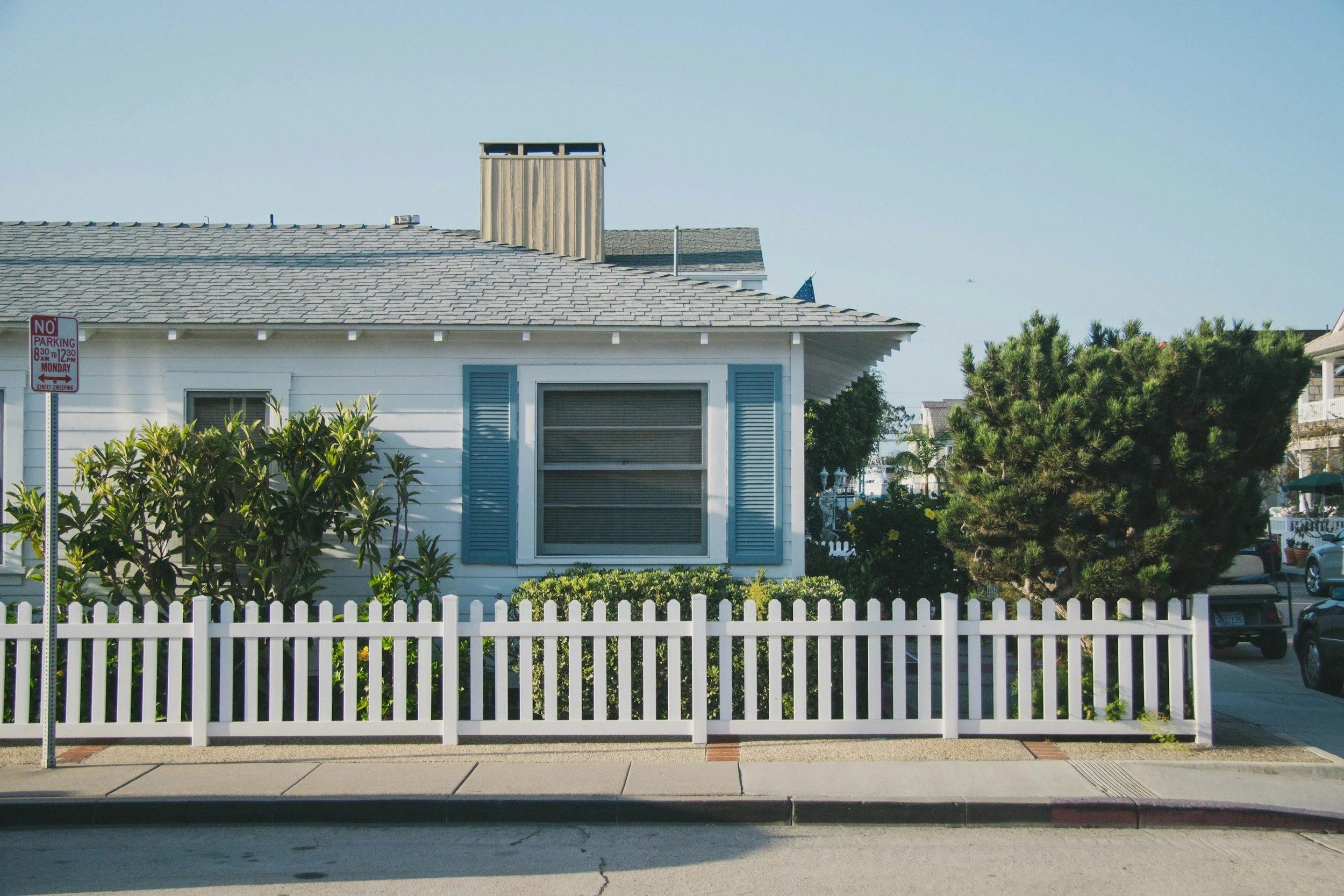
Buyers form an opinion within seconds of pulling up. That’s why curb appeal matters more than many homeowners think. But you don’t need to go all out with new landscaping.
Start by trimming hedges, cleaning walkways, and power washing the exterior. Replace or refresh faded shutters and worn house numbers. Even small upgrades like a new mailbox or front porch light can shift the mood.
Use a basic pre-listing checklist and address the visible details. A clean and cared-for exterior makes buyers feel more confident before they ever step inside.
The Paint Trick That Works Every Time
One of the fastest ways to increase your home’s value is with paint, but instead of painting every wall, focus on high-impact areas like the entryway, living room, and kitchen.
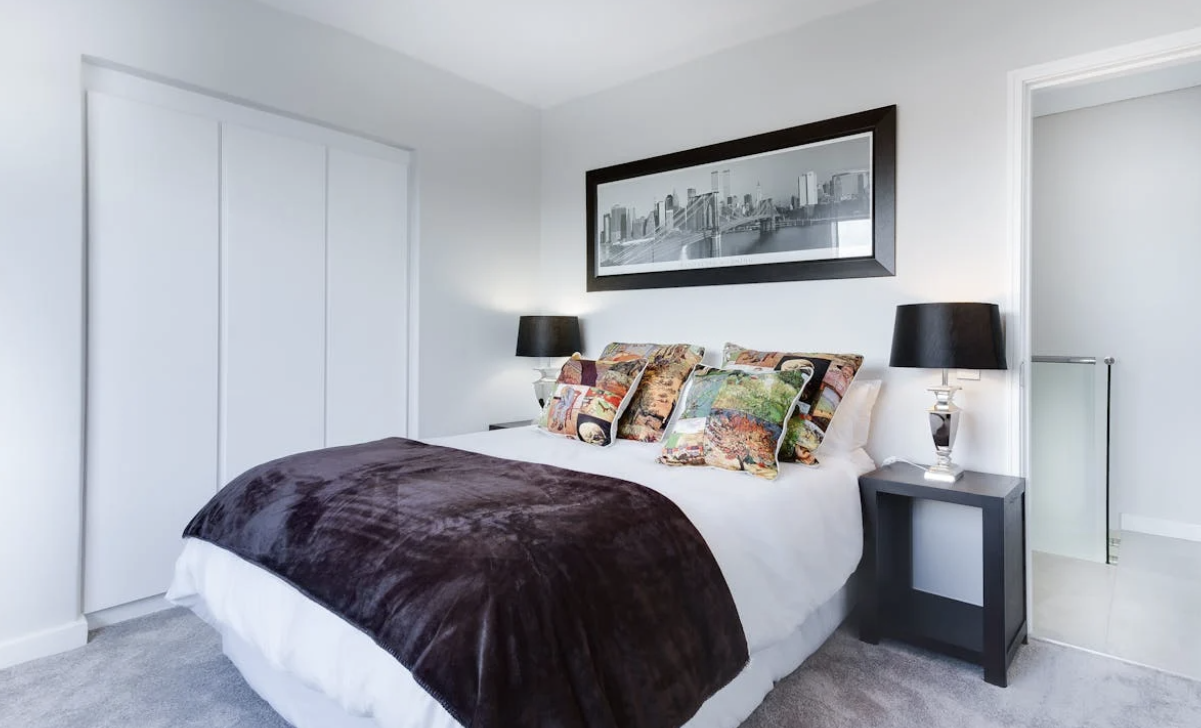
Stick with light, neutral colors. These make rooms feel larger and help buyers picture their own belongings in the space. Avoid trendy shades unless you’re confident in your overall design style.
The goal is to make your home feel clean, updated, and move-in ready without overwhelming buyers with personal style. As this guide to home improvements that add lasting value points out, small changes like a fresh coat of paint can offer a significant return when done strategically.
The Kitchen Is King (But Keep It Simple)
Buyers care a lot about kitchens, but that doesn’t mean you need to start a full remodel.
Look for easy, visible upgrades. Change the cabinet hardware, install a modern faucet, or swap out dated light fixtures. If your cabinets are in good shape but outdated, consider painting or refacing them. Adding a new backsplash is another low-cost update that can make the space pop.
Before spending on bigger upgrades, check with your real estate agent. Many sellers lose money by over-improving right before they move.
Declutter Like You’re Moving
You might love your bookshelves and gallery walls, but buyers want a clean slate. Staging works best when it starts with subtracting.
Clear off countertops, reduce furniture where possible, and tidy every closet. Buyers want to see space and simplicity, not storage issues or clutter.
This moving guide for Pennsylvania homeowners shows how overlooked messes can turn into lost value. The same principle applies before the sale. Less clutter helps buyers see more potential.
Fix What Buyers Will Notice First
Even small flaws can raise concerns. Sticky drawers, squeaky doors, and cracked tiles stand out more than you think. When buyers spot these problems, they start wondering what else might be wrong.
Do a slow walkthrough of your home. Imagine you’re seeing it for the first time. Make a list of anything that feels broken, loose, or worn down. You should also get your AC fixed and in top shape. You can do so with 338 Aircon Services.
Addressing these issues is part of a bigger approach. According to this blog on preventative maintenance, fixing small things now helps protect your investment and avoid last-minute price reductions later.
Know Where to Spend (And Where to Skip)
You don’t need fancy upgrades everywhere. What matters most is the condition of your home’s systems. Focus on things like plumbing, HVAC, and electrical. These are the updates buyers ask about and appraisers notice.
If your systems are in good shape, call that out in your listing. If they’re outdated or failing, address the most urgent issues before putting your home on the market.
Strategic upgrades often do more for your home’s value than expensive cosmetic changes. This breakdown of how to boost apartment building value explains how to improve appeal without overspending.
Lighting Changes Everything
Outdated lighting can make a home feel dark and cramped. The fix is often simple and affordable.
Replace old fixtures with clean, modern options. Use warm light bulbs and make sure each room feels bright. During showings, open curtains and clean windows to let in as much natural light as possible.
A bright home feels more spacious and inviting. This one change can dramatically shift the buyer’s experience.
Don’t Forget the Nose Knows
Smell is one of the first things buyers notice. A lingering pet odor or strong cooking smell can ruin a great showing.
Deep clean rugs, carpets, and upholstery. Open windows to air out the home. Use a subtle, neutral scent if needed. Avoid strong perfumes or artificial sprays that may raise suspicion.
Clean air is a powerful way to make buyers feel more at home.
Consider a Pre-Listing Inspection
Many sellers wait for the buyer’s inspection, but doing your own first can give you a clear advantage.
A pre-listing inspection helps you spot and fix problems before they delay the sale. It also builds trust. You’re showing buyers that the home has been cared for and maintained.
In a competitive market, that transparency can help your home stand out.
In Summary
You don’t need a big budget to increase your home’s value. Start with the basics. Focus on strong first impressions, light and neutral paint, small repairs, and updated lighting. Declutter each space and make sure your home feels clean and well-maintained.
Pay attention to systems like HVAC and plumbing. If they’re in good condition, promote that in your listing. If not, fix the critical parts before showing the home. A pre-listing inspection can also give you peace of mind and avoid delays.
The most important thing to remember is this. You’re not just selling a house. You’re offering someone their next home. That feeling of potential and comfort is what helps close the deal.