Multi-Functional home design: Making every room work harder for your lifestyle
The definition of “home” is evolving. What was once a place to rest and regroup has now become a hub for working, entertaining, exercising, and everything in between. As daily life changes, homes must adapt—and multi-functional design is the answer for homeowners who want more value and utility from every square foot.
Rather than expanding a home’s footprint, smart remodeling reimagines how space is used. Whether it's converting a basement into a home gym and media room, turning a guest bedroom into a hybrid office, or blending kitchen remodeling with casual dining areas, multi-functional design brings practicality to the forefront.
Modern homeowners are prioritizing flexible, adaptable layouts that serve multiple purposes without sacrificing comfort or aesthetics. This shift in mindset applies to every room in the house—and understanding how to implement these ideas can transform your home into a space that truly supports your lifestyle.
The Kitchen: From Cooking Zone to Central Command
The kitchen has always been the heart of the home, but today it’s also a command center. With open floor plans, islands, and integrated tech, the kitchen serves as a gathering place, workspace, homework zone, and entertainment area.
Smart kitchen remodeling blends storage, layout, and lighting to support these various roles. Consider adjustable lighting for work and ambiance, a multipurpose island with hidden storage, or built-in charging stations. When designed with flexibility in mind, the kitchen easily transitions from meal prep station to social hangout to remote office extension.
Cabinetry choices, surface materials, and seating configurations should reflect how the space is actually used on a daily basis—not just how it looks in photos. Durability, accessibility, and organization matter more when the kitchen becomes a space used all day, not just at meal times.
Living Rooms That Flex with You
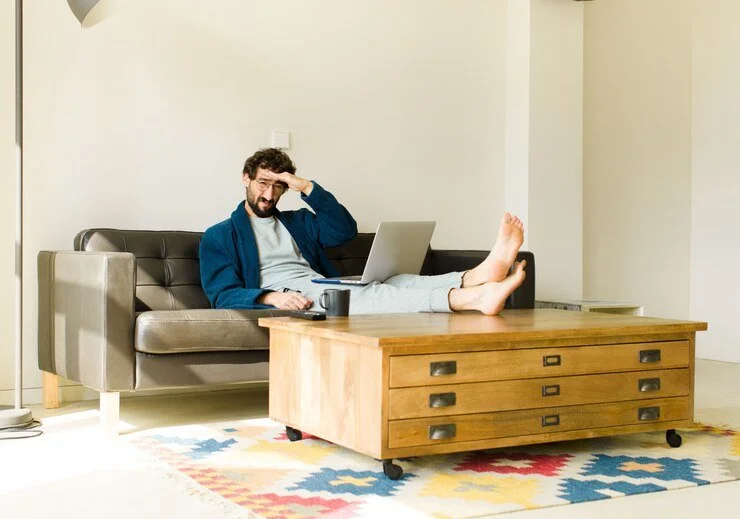
The traditional living room was once a formal space used mostly on weekends or special occasions. Now, it’s often the most active room in the house. From family movie nights to virtual meetings and workout sessions, today’s living room must do more.
Interior remodeling in this area focuses on flow, storage, and multi-use zoning. One wall might house a media console, while another supports a foldaway desk or compact home library. Modular furniture—like sectionals that reconfigure or ottomans that store blankets—helps maximise adaptability.
Living room sideboards are another smart addition. Beyond their classic role as storage units, they can double as display surfaces, mini workstations, or even beverage stations when entertaining. With sleek modern designs or timeless wood finishes, sideboards bridge practicality and aesthetics—offering hidden storage for games, tech accessories, or household clutter while still complementing the room’s overall style.
Designers often use visual cues like rugs, lighting, or ceiling changes to define different “zones” in an open-plan space. This approach gives the room structure while allowing it to serve various purposes throughout the day.
Bedrooms That Serve More Than Sleep
In many homes, bedrooms now double as office spaces, creative studios, or wellness retreats. Multi-functional bedrooms are all about smart separation of zones—physical or visual—so each area serves its purpose without disrupting others.
Use vertical space to your advantage. Wall-mounted shelves, fold-down desks, and suspended lighting free up floor area and help delineate work zones from relaxation areas. Consider using neutral, calming tones for sleeping areas, and more energizing colors in spaces meant for focus or activity.
For households with limited rooms, Murphy beds or daybeds offer practical solutions that maintain functionality without compromising sleep quality. A thoughtfully remodeled bedroom is both restful and productive, depending on the time of day.
Basements Reimagined for Everyday Use
Basement remodeling is one of the best ways to add usable space without expanding the home’s footprint. Because basements are often open and flexible, they offer the perfect canvas for multi-functional design.
Split the space into dedicated zones: one for entertainment, another for exercise, and perhaps a quiet nook for reading or remote work. Use shelving, low walls, or floor changes to define areas without fully enclosing them. Proper lighting—both overhead and task-specific—is key to making the space feel inviting rather than underground.
Basements also lend themselves to privacy-focused functions, such as guest suites or studios, thanks to their physical separation from the main living space. Insulation, flooring, and ventilation upgrades can turn a previously underused basement into a daily-use destination.
Bathrooms with Built-In Versatility
Even the smallest rooms in a home can benefit from multi-functional thinking. Bathroom remodeling offers opportunities to blend functionality with wellness, turning utilitarian spaces into mini-retreats that still serve day-to-day needs.
Wall niches, under-sink storage, and built-in shelving make it easier to store both essentials and extras without creating clutter. A dual-sink vanity can support shared morning routines, while a tub-shower combo ensures the space suits both quick refreshes and longer relaxation sessions.
Where space allows, adding seating or storage benches creates areas for grooming or dressing. Smart mirrors, temperature controls, and touchless faucets add technological sophistication without overwhelming the design.
Entryways, Hallways, and “Dead Zones”
Some of the most overlooked areas of a home—like hallways, landings, or mudrooms—are ideal candidates for multi-functional upgrades. Interior remodeling in these spaces can turn simple transitions into hard-working zones.
A hallway might include integrated shelving for books or art displays. An entryway can double as a drop zone, complete with custom cubbies, coat hooks, and charging stations. Even the space beneath staircases can be remodeled into small offices, pet nooks, or hidden storage.
By treating every square foot as valuable, homeowners can reduce clutter in main living areas and improve the overall function of their homes.
Outdoor Areas That Extend Interior Living
Exterior remodeling isn't just about curb appeal. More homeowners are investing in outdoor areas that function like open-air extensions of their living rooms, kitchens, or dining spaces.
A covered patio with heating elements and lighting can serve as a year-round lounge or dining area. Outdoor kitchens with built-in appliances extend cooking space and keep gatherings dynamic. Fire pits, pergolas, and retractable screens further increase the usability of these areas.
The best exterior designs blur the line between indoor and outdoor living, creating seamless transitions and more total living space without altering the home’s structure.
Adapting for the Long Term
One of the most compelling reasons to embrace multi-functional design is its long-term adaptability. Needs change—kids grow up, careers shift, or priorities evolve. A home that’s already equipped with flexible layouts, removable partitions, and movable furniture will adapt more easily than one limited by rigid definitions of space.
For homeowners considering futureproofing, remodeling should focus on versatility. That means wider doorways, multi-purpose rooms, and storage solutions that evolve with changing demands. Home remodeling, when done with adaptability in mind, becomes a lasting investment in both comfort and lifestyle.
The Role of Smart Planning
No matter how well-intentioned a remodel may be, the success of multi-functional design hinges on planning. It’s about more than choosing materials or color schemes—it requires imagining how a room might be used five different ways throughout the week.
Working with professionals who understand spatial efficiency and evolving lifestyle needs can make a significant difference. Companies like BBC Construction have seen firsthand how thoughtful remodeling transforms not just homes, but the way people live in them.
Conclusion
In today’s world, every square foot of your home has the potential to do more. From blending work and play to supporting wellness and creativity, multi-functional design is a smart response to modern life. By approaching remodeling with flexibility in mind, homeowners unlock new possibilities—without needing to add new rooms.
Whether it's through basement remodeling, interior updates, kitchen remodeling, or subtle exterior improvements, creating spaces that work harder for you is about intention, flow, and adaptability. When every room supports more than one purpose, your home becomes not just a place to live—but a place that lives with you.
More Home Improvement Articles