Plantation Shutters vs. Traditional Blinds: A Style and Functionality Showdown
Choosing the right window treatments can completely change how a room feels, functions, and flows. Whether you're remodeling a single room or outfitting an entire home, the decision often comes down to two top contenders: plantation shutters and traditional blinds. Both offer privacy, light control, and aesthetic value, but the way they do it—and the style they bring to your space—differ dramatically.
In this article, we’ll dive into what separates these two popular options in terms of appearance, durability, energy efficiency, and day-to-day usability, helping you decide which one is right for your windows and your lifestyle.
What Sets Them Apart Visually?
Plantation Shutters: Structured Elegance
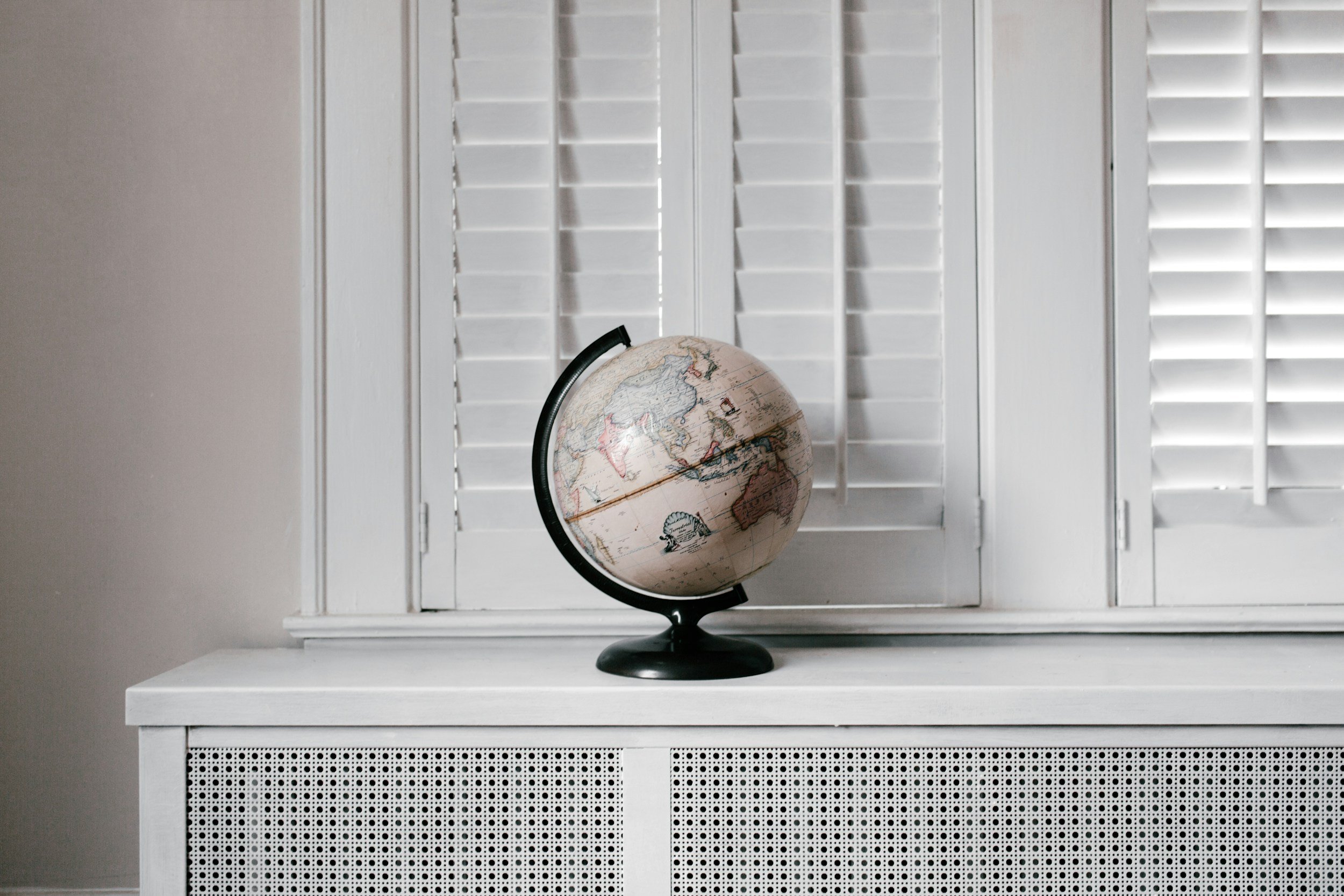
Plantation shutters are known for their bold, architectural lines and timeless appeal. Typically crafted from wood or composite materials, they feature wide louvers mounted within a solid frame that is affixed to the window itself. The look is custom, polished, and often considered a permanent fixture within the home.
Their presence is substantial. Rather than disappearing into the background, plantation shutters frame the window in a way that becomes part of the room’s architecture. The clean, horizontal slats work well with both classic and contemporary interiors.
Traditional Blinds: Versatile and Subtle
Blinds, whether vertical or horizontal, offer a much lighter visual footprint. They’re made from a variety of materials like aluminum, wood, faux wood, or vinyl and come in a range of colors and finishes. Unlike shutters, blinds tend to recede into the window space and offer a more utilitarian look.
For minimalist interiors or rooms that rely on sleek, modern lines, blinds can provide the necessary privacy and light control without dominating the design narrative.
Functionality and Everyday Use
Adjustability
Blinds are known for their flexibility. You can tilt the slats to control light, raise them fully for an unobstructed view, or lower them for privacy. However, depending on the style and material, they may be more prone to tangling, breaking, or misalignment with frequent use.
Plantation shutters in Myrtle Beach offer similar tilt functionality, but instead of raising or lowering the whole unit, you simply swing the panels open or adjust the louvers. This creates a cleaner, more reliable experience, especially in high-use areas like living rooms or kitchens.
Maintenance
Blinds often require more frequent cleaning due to the lightweight materials and the way they attract dust. Plastic and aluminum options may bend or warp over time. Cords can fray, and moving parts can stick.
Plantation shutters, on the other hand, are built to last. Their thicker louvers are easier to clean with a simple wipe-down. With fewer delicate components, they hold up well under regular use and resist fading and warping—especially if you choose high-quality composite materials.
Durability and Lifespan
If longevity is a top priority, plantation shutters take the lead. Built with sturdier materials and installed directly into the window frame, they’re less likely to suffer wear-and-tear damage over time. In fact, they’re often considered a permanent upgrade to the home and can add to property value.
Blinds can be more budget-friendly upfront, but their lifespan is generally shorter. Depending on the material and usage, they may need replacing every 5–7 years, whereas well-maintained plantation shutters can last 20 years or more.
Energy Efficiency
Here’s where things get even more interesting: your choice of window treatment can affect how much you spend on heating and cooling.
Blinds do offer insulation to some degree, especially cellular or honeycomb styles. However, standard blinds are thinner and don’t create a strong barrier against heat or cold.
Plantation shutters, by contrast, are excellent insulators. The frame and thicker slats reduce thermal transfer, helping to maintain indoor temperatures more effectively. In climates where sun and humidity are constant factors, this can translate into significant energy savings.
Light Control and Privacy
Both shutters and blinds provide effective privacy and light control, but they do it differently.
Blinds offer adjustable slats that allow for precise light filtering. However, light can still leak through gaps, especially if the blinds aren’t tightly closed.
Plantation shutters excel in this area. Their wide, flat louvers block light more thoroughly when closed. And since they’re custom-fitted to your windows, they offer superior coverage. For bedrooms, home offices, or media rooms, this can be a decisive factor.
Cost Considerations
If you're looking for an affordable window treatment that gets the job done, blinds may be the go-to. They're widely available and easy to replace or update as trends change. However, their lower price point comes with trade-offs in durability, insulation, and long-term value.
Plantation shutters are more of an investment. But they offer a strong return in terms of lifespan, home value, and curb appeal. Many homeowners who install shutters consider them part of the home’s permanent character—more like an upgrade than an accessory.
Installation and Fit
Blinds are relatively simple to install and are often purchased as standard sizes that fit most windows. This makes them ideal for quick projects or budget-friendly makeovers.
Shutters, on the other hand, are typically custom-measured and professionally installed. While this adds to the overall timeline and cost, the payoff is a seamless fit and a polished look that’s hard to match.
AAA Blind & Shutter Factory emphasizes that the installation method you choose should reflect not just your design taste, but your commitment to long-term performance. A well-fitted plantation shutter can elevate a room in ways that off-the-shelf blinds simply can’t.
Best Applications for Each
Choose blinds if you:
Want a cost-effective solution for multiple rooms
Need adjustable light control with a subtle appearance
Prefer lightweight, changeable styles
Choose plantation shutters if you:
Want a long-lasting, high-impact upgrade
Value energy efficiency and ease of maintenance
Are you looking to boost your home’s resale value
Final Thoughts: Which One Is Right for You?
The decision between plantation shutters and blinds isn’t just about looks—it’s about how you live. Each has its strengths, and the right choice depends on your home’s needs, your lifestyle, and your long-term vision.
For some, a blend of both might even be the best solution—using shutters in living areas where design impact matters most, and blinds in secondary rooms where flexibility and budget are more important.
Whatever you choose, working with a trusted provider like AAA Blind & Shutter Factory ensures your investment in shutters, blinds, or any other window treatments is well-informed, well-executed, and tailored to your space.