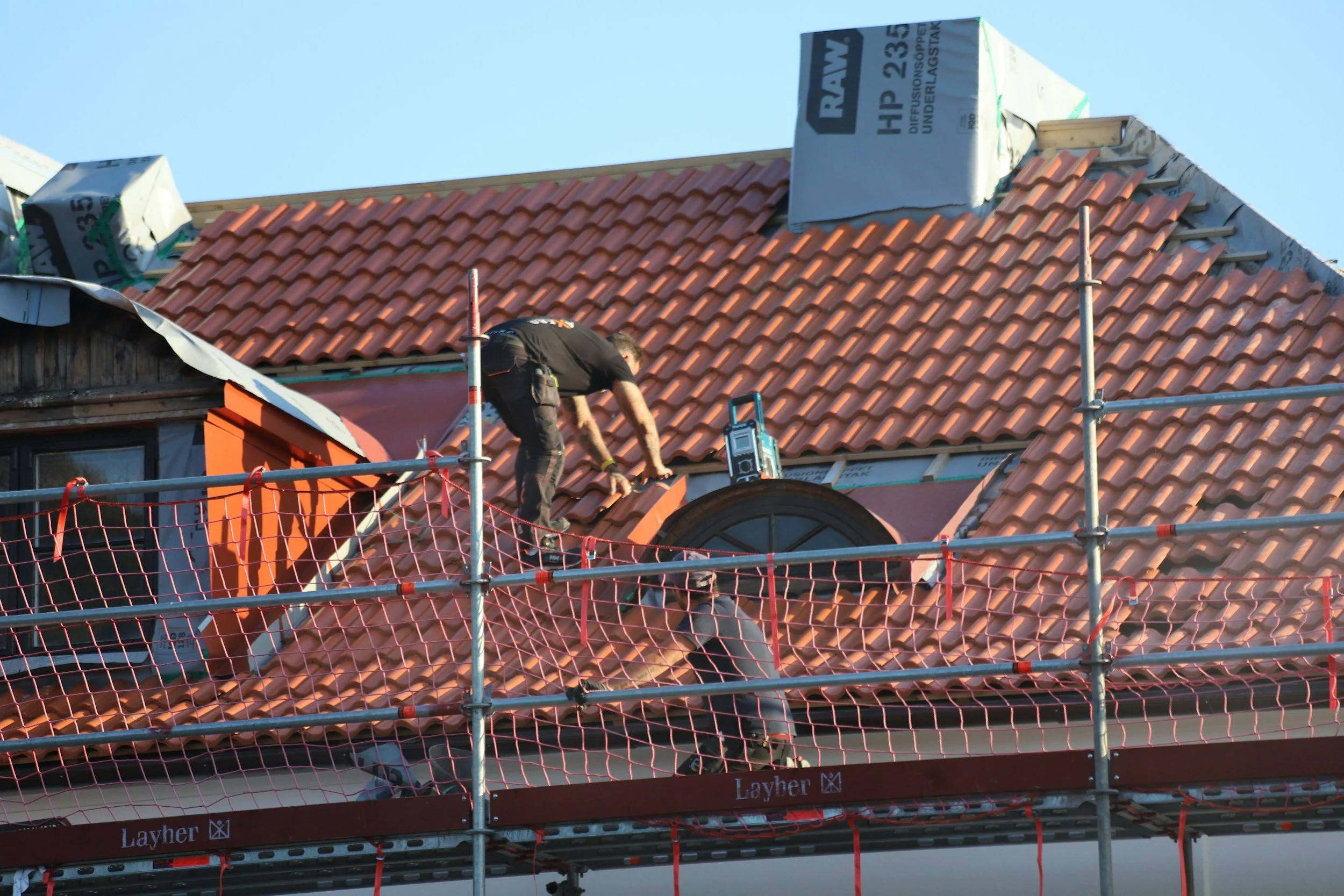
Roofing Choices You Only Get to Make Once — Choose Wisely
Roof replacement decisions carry long-term consequences because materials, installation methods, and documentation affect performance for decades. Market conditions now influence cost and timing through increased storm activity, extended material lead times, and higher labor demand. Local factors such as tree coverage, sun exposure, and freeze-thaw cycles directly affect aging rates, maintenance needs, and repair frequency.
Material compatibility depends on measurable design conditions, including roof slope, ventilation layout, fastening requirements, and decking condition. Flashing details and structural readiness control water management and future repair access. Written scopes, documented installation steps, registered warranties, and retained photos and receipts support warranty claims and resale reviews. Durable assemblies combined with verified installation and organized records reduce unexpected costs over the roof’s service life.
Material Selection Consequences
Material choice influences service life, maintenance frequency, and repair compatibility years later. Selection should be based on roof geometry, ventilation paths, and local exposure rather than appearance alone. For residential roofing in Columbus, manufacturer slope limits, fastening rules, and regional weather factors like sun load, ice buildup, and seasonal freeze-thaw cycles should guide comparisons between products.
Warranty terms need to match real site conditions, including debris accumulation, tree cover, and ice dam risk. Review limits on repairs, approved flashing types, and access requirements so future work remains straightforward. Ask installers how repairs are typically handled for each material type. Register warranties on time and keep photos, invoices, and product data organized to simplify any future claims.
Installation Quality Factors
Installation quality depends on a detailed written scope that defines materials, methods, and sequencing. The scope should list underlayment layers, ventilation integration, flashing materials, and fastening patterns tied directly to manufacturer requirements. Clear documentation helps crews follow correct nailing schedules and use compatible sealants and metals.
Temperature conditions matter during installation. Shingles, adhesives, and sealants perform best within specified temperature ranges. Cold or excessive heat can reduce adhesion and increase movement before fasteners set. Include temperature limits in the contract, require spot surface readings during work, and confirm adhesive set times. These steps improve consistency and reduce the risk of early leaks.
Structural Compatibility Checks
Decking condition determines which roofing systems can be installed safely and effectively. Measure sheathing thickness, check for moisture, and probe for soft areas before selecting materials. Attachment methods must match the roof’s load path and panel strength. Replace damaged panels, reinforce thin spans, and document all findings for warranty and future reference.
Plan penetrations and adjoining components early so skylights, vents, chimneys, gutters, and fascia work together as one drainage system. Confirm flashing transitions and clearances before tear-off. If the roof shows deflection or uneven planes, complete structural repairs such as blocking or joist reinforcement before installing new coverings to prevent long-term performance issues.
Warranty And Accountability
Roof warranties work best when coverage responsibilities are clearly defined. Manufacturer warranties usually address material defects and aging limits, while contractor workmanship warranties cover installation errors and flashing failures. Review exclusions related to wind, hail, debris, and maintenance requirements so coverage expectations stay realistic.
Complete warranty registration within required timeframes and store contracts, invoices, inspection reports, and installation photos together. Confirm transfer rules if the property may be sold, including inspection requirements and remaining coverage limits. Request a written workmanship warranty from the installer and clarify who handles future service calls. Clear accountability reduces delays when repairs are needed.
Contractor Alignment Matters
Effective contractor alignment reduces errors by coordinating permits, inspections, material delivery, and crew scheduling under a defined process. Clarify how work phases are sequenced, who orders materials, and whether a single project lead approves each stage. Contractors who document progress, maintain a project log, and manage change orders through one accountable contact reduce miscommunication and scheduling conflicts.
Confirm on-site supervision during key stages such as tear-off, underlayment installation, and flashing work. Review property protection plans addressing landscaping, access routes, and debris control. Request references that reflect long-term roof performance rather than completion speed. Prioritize contractors evaluated on documented durability results, recordkeeping quality, inspection compliance, and consistent post-installation support.
Long-term roof performance depends on disciplined planning and verified execution before installation begins. Materials must align with slope, ventilation design, exposure levels, and structural capacity. Installation quality relies on written scopes, correct fastening patterns, and manufacturer temperature limits under active supervision. Decking condition, moisture content, flashing transitions, and penetrations require inspection and correction before new coverings are applied. Product and workmanship warranties require timely registration, complete records, and clear transfer terms. Durable outcomes result from documented decisions, accountable contractors, consistent inspections, and measured installation practices that prioritize longevity, compliance, and predictable maintenance costs over short-term price reductions overall reliability.