Smart Homeowners Start Here: A Preventative Guide to Water Damage in Modern Homes
Water damage doesn’t always start with a storm or a flood. Sometimes, it begins with a slow drip under the sink, an aging water heater in the basement, or a clogged gutter on a quiet Saturday morning. And when you discover it, the problem often isn't new—it's just finally visible.
Modern homes may be built with advanced materials and systems, but they’re not immune to moisture-related disasters. In fact, with more tech and complexity comes a bigger need for smart prevention.
We sat down with building science consultants and restoration professionals to answer a simple but essential question: How do today’s homeowners get ahead of water damage before it starts?
Q: "What’s the biggest myth about water damage in homes?"
A: That it only happens during extreme events—like floods, hurricanes, or pipe bursts.
The reality? More than half of all water damage insurance claims come from everyday maintenance failures: old hoses on washing machines, slowly leaking ice maker lines, poorly sealed windows, or gutters clogged with leaves.
It's not just about reacting when water rushes in—it's about understanding the slow, quiet ways moisture builds up inside a house.
Q: "So what’s the first step toward real prevention?"
A: Awareness. Knowing where water lives and moves in your home is key.
Start with this checklist:
Inspect under sinks every season
Feel along basement walls after heavy rain
Check around windows and sliding doors for condensation
Know where your water main shutoff valve is—and test it annually
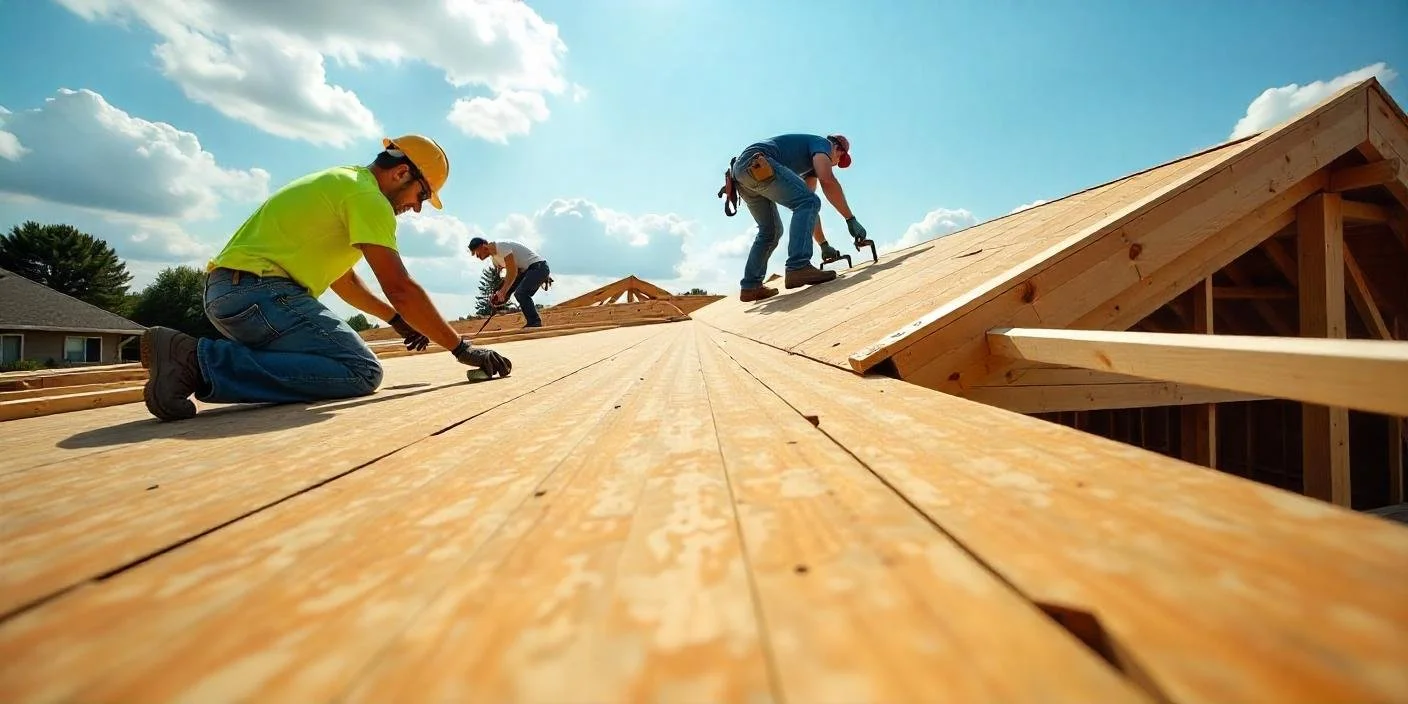
Schedule a roof and flashing inspection once a year
Small habits like these can prevent major repair costs. Many homeowners don’t act until there’s visible staining or structural damage. By then, the materials have already absorbed moisture—and the need for professional water damage restoration becomes unavoidable.
Q: "Are smart devices worth the investment?"
A: Absolutely. Preventative tech is one of the smartest upgrades a modern homeowner can make.
Top recommendations:
Smart leak detectors: Placed near water heaters, dishwashers, washing machines, and under sinks. These sensors alert your phone if water is detected.
Smart shutoff valves: Installed on your main water line, these can automatically stop water flow when a leak is detected.
Humidity monitors: Help you track moisture levels in areas prone to condensation or mold—like basements, bathrooms, or attics.
Many restoration experts now recommend these devices as standard for clients who’ve experienced a prior water issue.
Secure Restoration notes that homes with early-detection tech see significantly less secondary damage when problems do occur. A leak caught within minutes is very different from one discovered days later.
Q: "What rooms are most vulnerable to moisture-related damage?"
A: Kitchens, bathrooms, basements—and surprisingly, attics.
Why attics? Because poor ventilation or roof leaks can lead to condensation, which turns to hidden mold and insulation damage. Over time, this can even degrade ceiling joists and drywall without ever appearing as a classic “leak.”
Focus on:
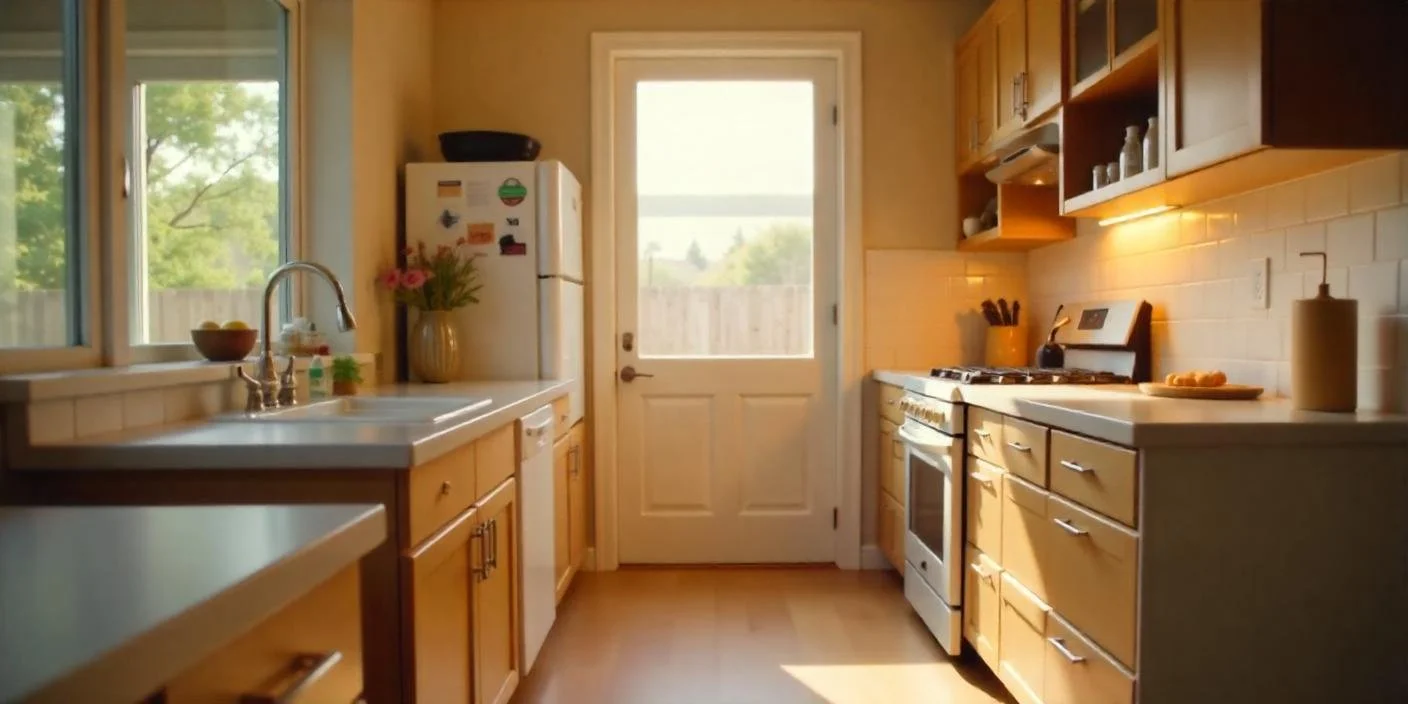
Kitchens: Watch for slow drips behind refrigerators and dishwashers
Bathrooms: Vent fans should run long enough after showers to fully clear humidity
Basements: Dehumidifiers and sump pumps are must-haves in moisture-prone zones
Attics: Ensure insulation isn’t blocking airflow and check for staining on the underside of the roof sheathing
Regular inspections and smart use of ventilation are your frontline defense.
Q: "How does landscaping factor into water damage prevention?"
A: More than people realize. Your yard can direct water toward your foundation—or away from it.
Landscaping tips to reduce water risk:
Keep soil sloping away from the home
Extend downspouts at least 6 feet from the foundation
Avoid heavy mulch buildup right next to exterior walls
Install French drains or dry wells in areas that frequently collect water
Even hardscaping like patios or walkways can cause puddling if not graded properly. A beautifully landscaped yard should also work to manage runoff efficiently.
Q: "What if something still goes wrong?"
A: Prevention reduces risk—it doesn’t eliminate it. That’s why a rapid, informed response is critical when something does happen.
If you discover unexpected water intrusion:
Shut off the source (if possible)
Remove standing water safely
Start ventilation—open windows, run fans, use dehumidifiers
Contact a water damage restoration expert for assessment
Delaying can lead to secondary issues like mold growth, wall cavity saturation, or damaged electrical systems.
Companies like Secure Restoration recommend acting within 24 to 48 hours to mitigate the need for structural repair. The earlier moisture is addressed, the less chance it has to infiltrate deep materials.
Q: "What’s one easy upgrade any homeowner can do this weekend?"
A: Install a water sensor under the sink or behind your washing machine. These battery-powered devices cost less than a family dinner out—and could prevent thousands in restoration costs.
Also: check your appliance hoses. If they’re more than five years old, consider upgrading to braided stainless-steel options that are less prone to bursting.
These are the kind of proactive, affordable changes that create a safer home and a smarter homeowner.
Final Thought: A Dry Home Is a Resilient Home
Preventing water damage isn’t glamorous. But it’s one of the most important ways to protect your home’s longevity, safety, and value. As construction materials become more energy-efficient—and often more moisture-sensitive—attention to water management becomes even more essential.
The good news? You don’t need to overhaul your house to make a real difference. A few smart devices, a seasonal inspection routine, and a deeper understanding of where moisture hides can keep most problems at bay.
And when the unexpected does happen, knowing how to respond—and who to call—can turn a potential disaster into a manageable repair. Providers like Secure Restoration combine technical expertise with the speed and strategy needed when prevention gives way to action.
Because in today’s homes, dryness isn’t just comfort—it’s protection.
More Home Improvement Articles