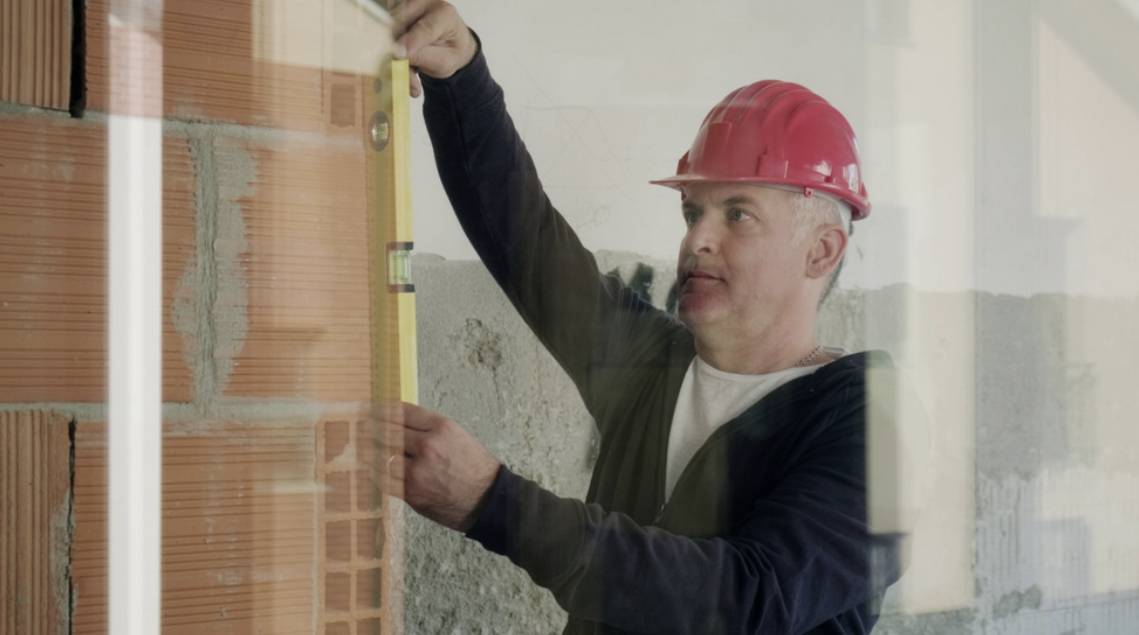
Your Ultimate Budgeting Guide for Home Improvements
Embarking on home improvement projects can be exciting but managing the costs effectively is crucial. Understanding where to allocate resources and how to budget wisely ensures the success of your projects. This guide will provide you with insightful information to create a budget-friendly plan for your home improvement endeavors.
Home improvement doesn’t necessarily have to break the bank if approached strategically. Prioritizing projects based on need and potential return on investment can maximize your home’s value. By familiarizing yourself with industry data and market trends, you can make informed decisions that align with your financial capabilities.
Developing a realistic budget involves a detailed examination of every aspect of your home improvement projects. From the materials to labor costs, each factor has a significant impact on your overall expenditure. Setting a clear and concise plan early on can avert potential financial pitfalls and keep you on track.
Essential Elements of Home Improvement Budgeting
One of the first steps in budgeting for home improvements is understanding the primary costs involved. This includes everything from material expenses to hiring professional labor. According to ConsumerAffairs, the roofing market in the U.S. was valued at $23.35 billion in 2023, underscoring the importance of considering significant components like roofing in your budget.
Materials represent a large portion of home improvement expenses, so it's essential to shop around for the best deals. Price comparisons and volume discounts can offer substantial savings, allowing more flexibility in your budget. Additionally, sourcing sustainable and durable materials can provide long-term cost benefits.
Labor costs should also be a priority, as hiring skilled professionals ensures quality workmanship. Whether it’s plumbing, electrical, or construction work, quality labor is worth the investment. Discussing quotes thoroughly with contractors and understanding the scope of work can prevent unexpected costs.
Balancing Home Improvement Costs and Value
Investing in home improvements can significantly enhance your property’s value, making budget considerations even more critical. Projects like roofing, which represented a considerable market value, have immediate structural benefits and long-term economic returns. Properly appraising the potential increase in home value against the project cost ensures you're getting optimal financial results.
Prioritizing improvements with the highest return on investment can help streamline your budget. For example, kitchen remodels and bathroom upgrades are known to yield substantial returns. Coupled with sensible spending strategies, these projects can enhance your home’s appeal both functionally and aesthetically.
When considering septic systems, knowing that a standard septic tank can hold 1,000 gallons helps gauge the extent and cost of such improvements. According to This Old House, understanding the maintenance and lifespan of these systems can help you allocate your budget effectively. By factoring in ongoing maintenance costs, you can preserve the value they add to your property.
Managing Unexpected Home Improvement Expenses
No home improvement project is immune to unexpected expenses, but preparing for them can mitigate their impact. Building a contingency fund into your budget is a smart way to handle unforeseen costs. Typically, allocating about 10-20% of your total budget for contingencies is recommended.
Regular maintenance and pre-emptive checks are reliable ways to minimize surprises. When faced with unexpected breakdowns, such as plumbing issues, immediate action can save on extensive repairs. As reported by IBIS World, the septic, drain, and sewer cleaning services industry revenue reached an estimated $7 billion in 2024, highlighting the importance of these services to prevent costly problems.
Strategic planning and a flexible budget can accommodate adjustments as projects evolve. Being proactive with repairs and improvements reduces emergency costs and keeps your budget in check. Regular updates and reviews of your budget ensure you're aligned with your financial goals.
Crafting a comprehensive budget for home improvements is a meticulous but rewarding process. By being financially disciplined and informed about industry trends, you can achieve remarkable enhancements to your living space. A well-organized budget not only balances costs but also maximizes the value of your home improvement projects.
From major undertakings like roofing to essential systems like septic tanks, each project requires careful financial consideration. Prioritizing high-return improvements ensures that the money you invest today reaps rewards in the future. With a solid financial plan, your home improvement ventures can be both manageable and profitable.
Ultimately, home improvement budgeting is about understanding your financial limits and optimizing resources. By combining informed decisions with strategic planning, your projects can become transformative experiences. Adopt a mindful approach to your budget, and you’ll soon realize the full potential of your home without compromising financial stability.