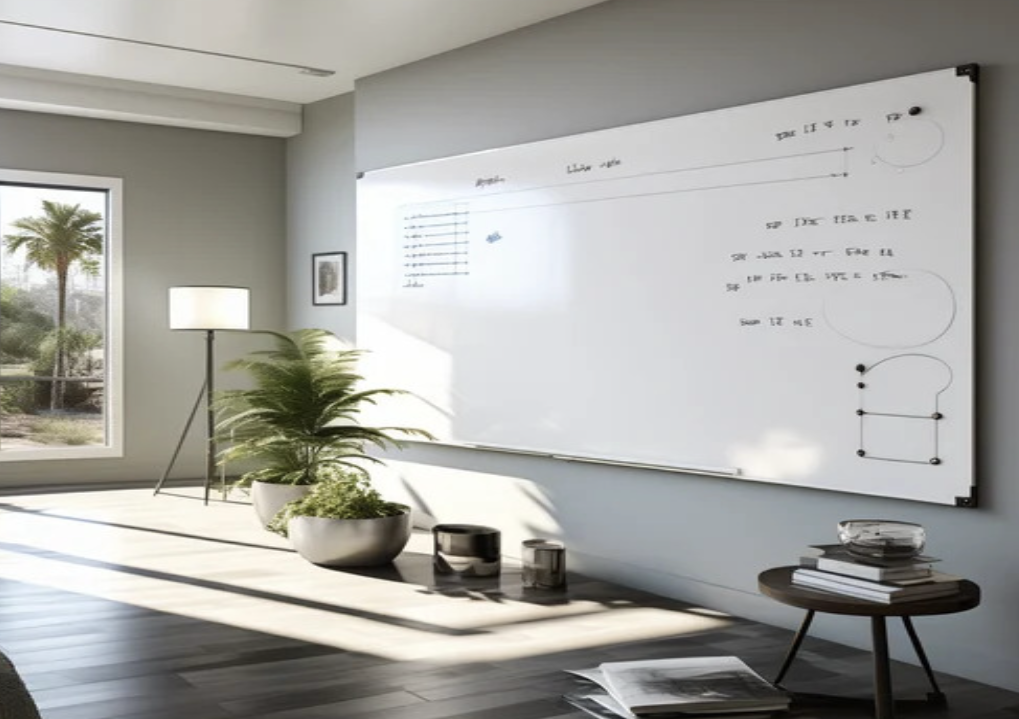
5 Innovative Ways to Use a Magnetic Whiteboard in Your Office
The modern office is moving towards dynamic environments that prioritise collaboration and visual management. The magnetic whiteboard has emerged as a versatile and multifunctional asset. Its unique combination of a writable surface and magnetic functionality unlocks a new level of organisation and engagement, transforming it from a simple note-taking tool into a central hub for workflow management. Incorporating tools like magnetic whiteboards alongside well-designed furnishings from providers of Office Furniture North Wales can help create a more organised, collaborative, and efficient workspace.
This article outlines five innovative strategies to integrate magnetic whiteboards into your office operations, driving efficiency and fostering team collaboration. It discovers the full range of custom options available through Brisbane Print Hub’s magnetic whiteboard solutions to begin modernising your workspace.
Interactive Project Planning Hub
Centralising Visibility for Complex Initiatives
A magnetic whiteboard serves as an ideal command centre for project management, providing a clear, visual overview that keeps all team members aligned.
Implementation: Utilise magnetic strips or tokens to represent timelines, milestones, and deliverables. Project phases, task lists, and deadline reminders can be printed and attached with magnets, allowing for easy manipulation.
Key Advantage: This method supports agile planning methodologies by enabling real-time adjustments. The tactile nature of moving components helps teams intuitively understand project flow, dependencies, and progress, reducing the need for constant digital updates.
2. Dynamic Meeting Agendas
Facilitating Adaptive and Participatory Discussions
Transform meetings from passive information sessions into dynamic, results-oriented workshops by using a magnetic whiteboard to manage the agenda.
Implementation: Prior to a meeting, agenda items are written on magnet-backed cards and placed on the board. Participants can add topics beforehand, creating a collaborative foundation. During the meeting, items can be rearranged by priority, removed once completed, or new ones added as needed.
Key Advantage: This process makes meetings adaptive and inclusive. It encourages participant contribution and ensures the discussion remains focused on the most critical topics, leading to more efficient and effective outcomes.
3. Visual Workflow and Kanban Boards
Enhancing Transparency in Task Management
The Kanban method is a highly effective way to visualise work and limit work-in-progress. A magnetic whiteboard provides a perfect physical platform for this system.
Implementation: Define workflow stages (e.g., “To Do,” “In Progress,” “Review,” “Done”) as columns on the board. Individual tasks are written on cards with magnetic backing. Team members move their task cards through the columns as work progresses.
Key Advantage: This creates unparalleled transparency regarding team workload and project status. It fosters a sense of collective accountability and provides a clear, at-a-glance understanding of bottlenecks, streamlining the entire collaborative workflow.
4. Team Brainstorming and Ideation Zone
Stimulating Creative and Collaborative Thinking
The blank slate of a magnetic whiteboard is a catalyst for creativity, offering a flexible space for teams to develop and connect ideas.
Implementation: Begin a brainstorming session with a central concept on a magnetic card. Team members can then contribute ideas, keywords, mind maps, and relevant images, attaching all elements magnetically. The free-form nature allows for effortless rearrangement and grouping of concepts.
Key Advantage: The tactile and visual engagement stimulates dynamic idea formation than purely verbal discussion. It encourages participation from all attendees and allows the group to visually track the evolution of a concept, leading to more innovative and well-developed outcomes.
5. Visualising Goals, Metrics and KPIs
Instilling Focus Through High-Visibility Tracking
Key Performance Indicators (KPIs) and goals that are buried in spreadsheets lose their impact. A magnetic whiteboard brings these metrics into the daily environment, keeping them top-of-mind for the entire team.
Implementation: Dedicate a section of the board to track live metrics. Use magnetic charts, graphs, or simple cards to display weekly sales figures, project completion rates, or customer satisfaction scores. This data can be easily updated at defined intervals.
Key Advantage: High-visibility goal tracking creates a culture of focus and accountability. It celebrates progress and quickly highlights areas requiring attention, ensuring everyone is working towards the same objectives with a clear understanding of their contribution.
Conclusion
The applications for magnetic whiteboards extend far beyond simple note-taking. As demonstrated, they are powerful tools for interactive project planning, dynamic meeting management, visual workflow tracking, collaborative brainstorming, and goal visualisation. By adopting these strategies, organisations can enhance productivity, transparency, and team engagement.
Investing in a tailored magnetic whiteboard solution is a strategic step toward modernising your workspace and empowering your team. A well-utilised board becomes the physical heartbeat of a project or department, aligning everyone towards a common goal.
Ready to upgrade your office collaboration? Explore customised and high-quality options designed to meet your specific needs with Brisbane Print Hub’s magnetic whiteboard solutions.