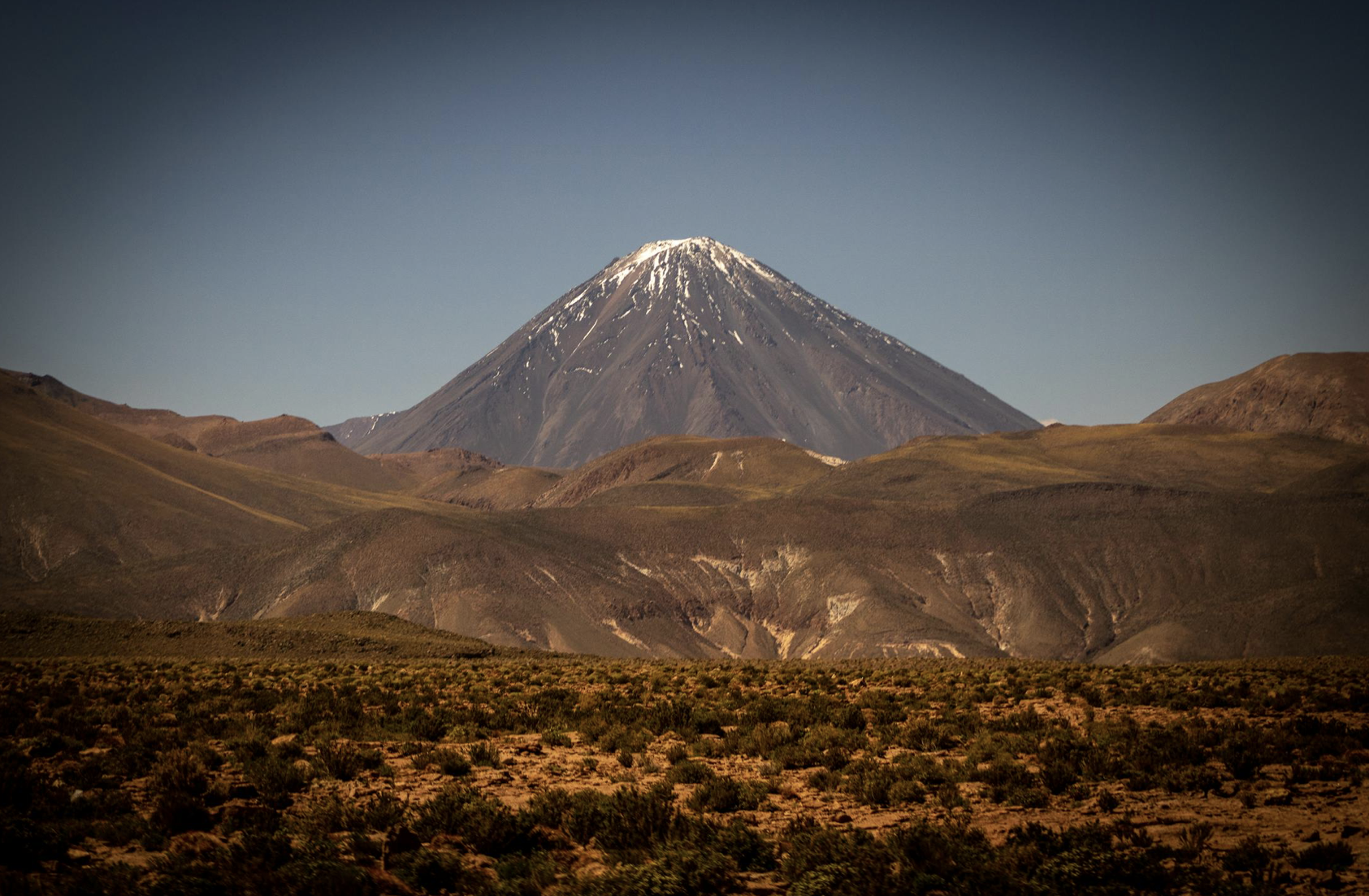
5 Tips for Capturing Light and Shadow in Desert Landscapes
Desert landscapes offer a dramatic canvas for photographers, where light and shadow play across vast dunes, rugged rock formations, and open skies. The stark contrasts and minimalistic beauty of these environments demand a thoughtful approach to composition and exposure. Capturing the interplay of light and shadow in the desert requires more than technical skill it calls for patience, timing, and a deep appreciation for the subtleties of natural illumination. Whether you're photographing sweeping vistas or intimate textures, these five tips will help you harness the desert’s unique lighting conditions to create compelling images.
Shoot During Golden and Blue Hours
Timing is everything when photographing desert light. The golden hour shortly after sunrise or before sunset casts warm, directional light that enhances textures and creates long, dramatic shadows. This is the ideal time to capture depth and dimension in sand dunes, canyon walls, and desert flora. The blue hour, occurring just before sunrise and after sunset, offers a cooler, softer light that can lend a tranquil mood to your compositions. Shooting during these windows helps avoid the harsh midday sun, which can flatten details and blow out highlights. Planning your shoot around these times ensures more dynamic and visually engaging results.
Use Shadows to Define Shape and Texture
In the desert, shadows are not just byproducts of light they are essential compositional tools. Shadows help define the contours of dunes, the striations in rock, and the ruggedness of terrain. Positioning yourself to capture side lighting can emphasize these features, creating a sense of depth and realism. Pay attention to how shadows fall across your scene and use them to guide the viewer’s eye. Even small elements, like a cactus or a cracked surface, can become focal points when their shadows are used effectively. Experiment with different angles to see how light transforms the landscape throughout the day.
Adjust Exposure for High Contrast Scenes
Desert environments often present high-contrast lighting conditions, with bright highlights and deep shadows. To manage this, consider using exposure bracketing or shooting in RAW format to preserve detail across the tonal range. Spot metering can help you expose for key elements without losing critical information. In post-processing, tools like highlight recovery and shadow adjustment can bring balance to your image without compromising its natural feel. Avoid overexposing bright areas like sunlit sand or underexposing shadowed rock faces. A well-balanced exposure allows the interplay of light and shadow to shine without distraction.
Incorporate Natural Frames and Leading Lines
Composition plays a vital role in emphasizing light and shadow. Use natural elements like rock arches, canyon walls, or desert vegetation to frame your subject and add context. Leading lines—such as winding trails, ridges, or shadow edges—can draw the viewer into the scene and create a sense of movement. These techniques help organize the visual space and highlight the contrast between illuminated and shaded areas. In locations like slot canyons, where light filters in from above, framing becomes even more critical. The way light dances through narrow openings in antelope canyon pictures, for example, showcases how framing and timing can elevate a photograph from ordinary to extraordinary.
Be Mindful of Atmospheric Conditions
Desert light is influenced by more than just the sun’s position. Atmospheric conditions such as dust, haze, and cloud cover can dramatically alter the quality of light. A thin layer of dust in the air can soften sunlight and create a golden glow, while scattered clouds can diffuse light and reduce harsh shadows. Wind can reshape sand dunes and introduce movement into your composition. Being attuned to these variables allows you to adapt your approach and capture the desert in its many moods. Always check weather forecasts and be prepared for sudden changes that could enhance or challenge your shoot.
Conclusion
Photographing light and shadow in desert landscapes is a rewarding pursuit that blends technical precision with artistic intuition. By timing your shoots carefully, using shadows to define form, managing exposure, composing thoughtfully, and responding to atmospheric conditions, you can create images that reflect the desert’s raw beauty and complexity. These environments offer endless opportunities for visual storytelling, where every shift in light reveals a new perspective. With patience and practice, your desert photography can evolve into a compelling exploration of contrast, texture, and natural wonder.