6 Safety Tips That Could Reduce Injury on Long Motorcycle Journeys
Long motorcycle journeys offer an unparalleled sense of freedom and adventure, allowing riders to connect with the open road and experience landscapes in a deeply immersive way. With this thrill comes a unique set of risks. Unlike cars, motorcycles don’t provide the same physical protection in the event of an accident, making safety precautions even more critical, especially over long distances. Whether you’re cruising across states or navigating winding mountain roads, the chances of fatigue, road hazards, and unexpected weather can significantly increase the risk of injury. With the right strategies in place, though, you can dramatically reduce those risks and make your journey safer and more enjoyable. In this article, we’ll explore six vital safety tips that every long-distance motorcyclist should follow to protect themselves and ensure a smooth ride.
Prioritize Proper Riding Gear
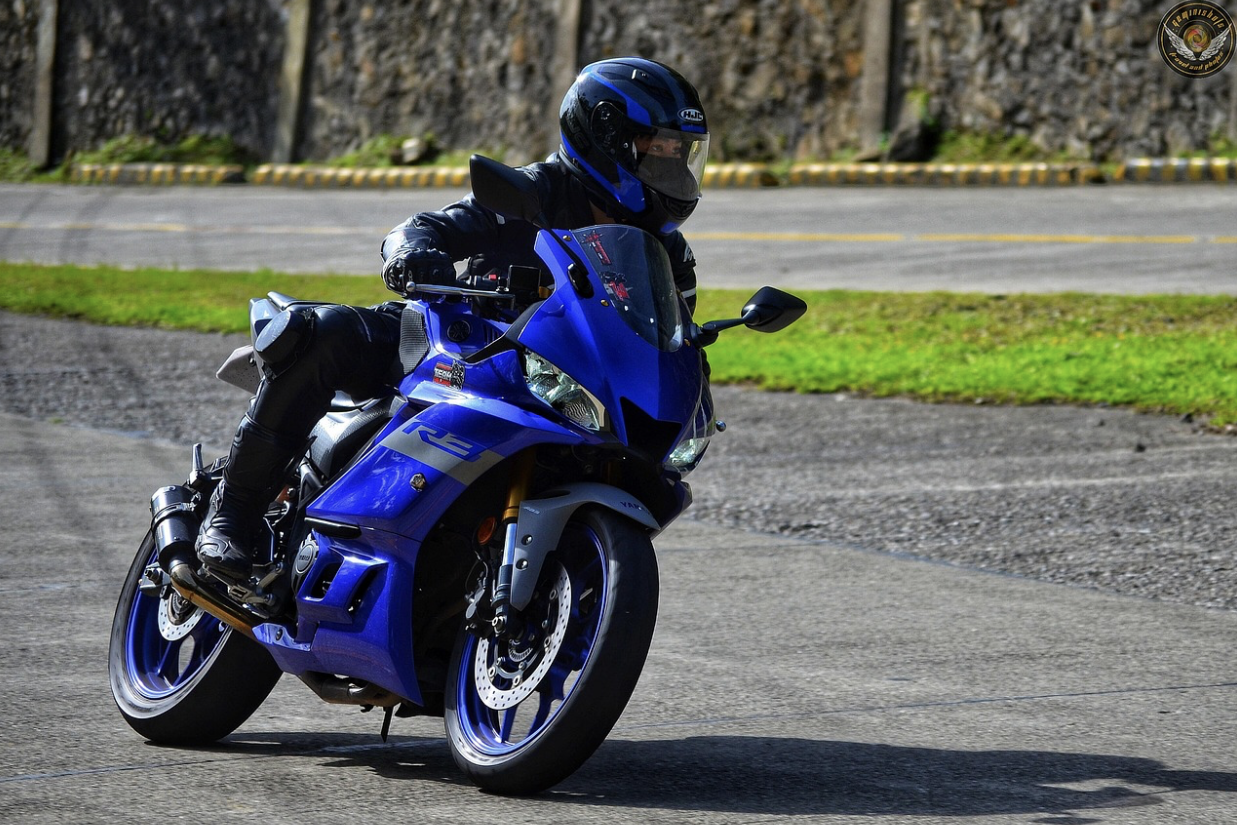
Wearing the right gear is your first line of defense in the event of a crash. For long journeys, invest in high-quality protective gear that includes a full-face helmet, armored jacket and pants, gloves, and sturdy boots. Look for materials like abrasion-resistant leather or textile reinforced with CE-approved armor. Ventilated gear can help regulate body temperature during warm rides. Visibility is another factor often overlooked; bright colors or reflective panels significantly increase your presence on the road. Comfort matters too. You’ll be wearing this gear for hours, so it should allow for easy movement while still offering maximum protection. Skipping out on proper riding gear may save time or money, but it can cost you far more in the event of an accident.
The Importance of a Strong Support System
Having the right support system is crucial when it comes to motorcycle safety, especially for long-distance riders. This support includes professionals who can help in times of crisis. In the unfortunate event of an accident, legal assistance becomes vital. That’s why riders often turn to experienced professionals like Houston lawyers for motorcycle injuries, who understand the complexities of such cases and can provide proper legal guidance. Knowing that you have someone ready to advocate for your rights offers peace of mind. A strong support system helps you ride more confidently, knowing you’re protected on and off the road.
Ride Defensively and Stay Visible
Long-distance rides often mean passing through unfamiliar roads with unpredictable traffic conditions. Defensive riding is crucial to staying safe. Always assume that other drivers don’t see you, and position yourself in their mirrors whenever possible. Maintain a safe following distance, and be prepared to brake or swerve to avoid obstacles. Avoid blind spots and never linger alongside larger vehicles like trucks or buses. Using hand signals in addition to your indicators can help increase your visibility. Keep your headlights on, even during the day, and consider auxiliary lights if you frequently ride in low-visibility areas. The key to defensive riding is not just reacting to dangers, but anticipating them before they occur.
Conduct a Pre-Ride Safety Inspection
Before embarking on a long trip, it’s crucial to ensure your motorcycle is in optimal condition. A comprehensive pre-ride inspection can help detect minor issues before they become serious problems. Start with the “T-CLOCS” checklist: Tires, Controls, Lights, Oil, Chassis, and Stands. Check tire pressure and tread depth, ensure that the brakes are responsive, and test all lights, including indicators and brake lights. Look for any oil leaks and verify that fluid levels are adequate. Inspect the chain or belt for wear and proper tension. While many riders skip this step, especially if they’re in a hurry, taking 15–20 minutes for an inspection can prevent mechanical failures that might otherwise lead to injury or a breakdown in a remote area.
Avoid Fatigue Through Strategic Rest Breaks
Riding for long hours requires constant concentration, and fatigue is one of the leading causes of motorcycle accidents on long trips. Plan your journey with scheduled rest stops every 100–150 miles, or approximately every 1.5 to 2 hours. During breaks, stretch your legs, hydrate, and eat light, energizing snacks to maintain alertness. Don’t underestimate the toll of wind, sun exposure, and vibration on your body. If you begin to feel drowsy or lose focus, it’s better to stop early for the day rather than push through and risk an accident. Some riders find benefit in using padded seat cushions or back supports to reduce physical strain. Endurance riding is about smart pacing and knowing when to give your body a break.
Long motorcycle journeys can be exhilarating and transformative, but they come with heightened risks that should never be ignored. By prioritizing safety through proper gear, having a support system, bike maintenance, fatigue management, defensive riding, environmental awareness, and trip planning, you significantly reduce the chance of injury and make your adventure safer and more enjoyable. Preparation and mindfulness are the most valuable tools in a motorcyclist’s arsenal, so use them wisely, and the road will reward you in kind.