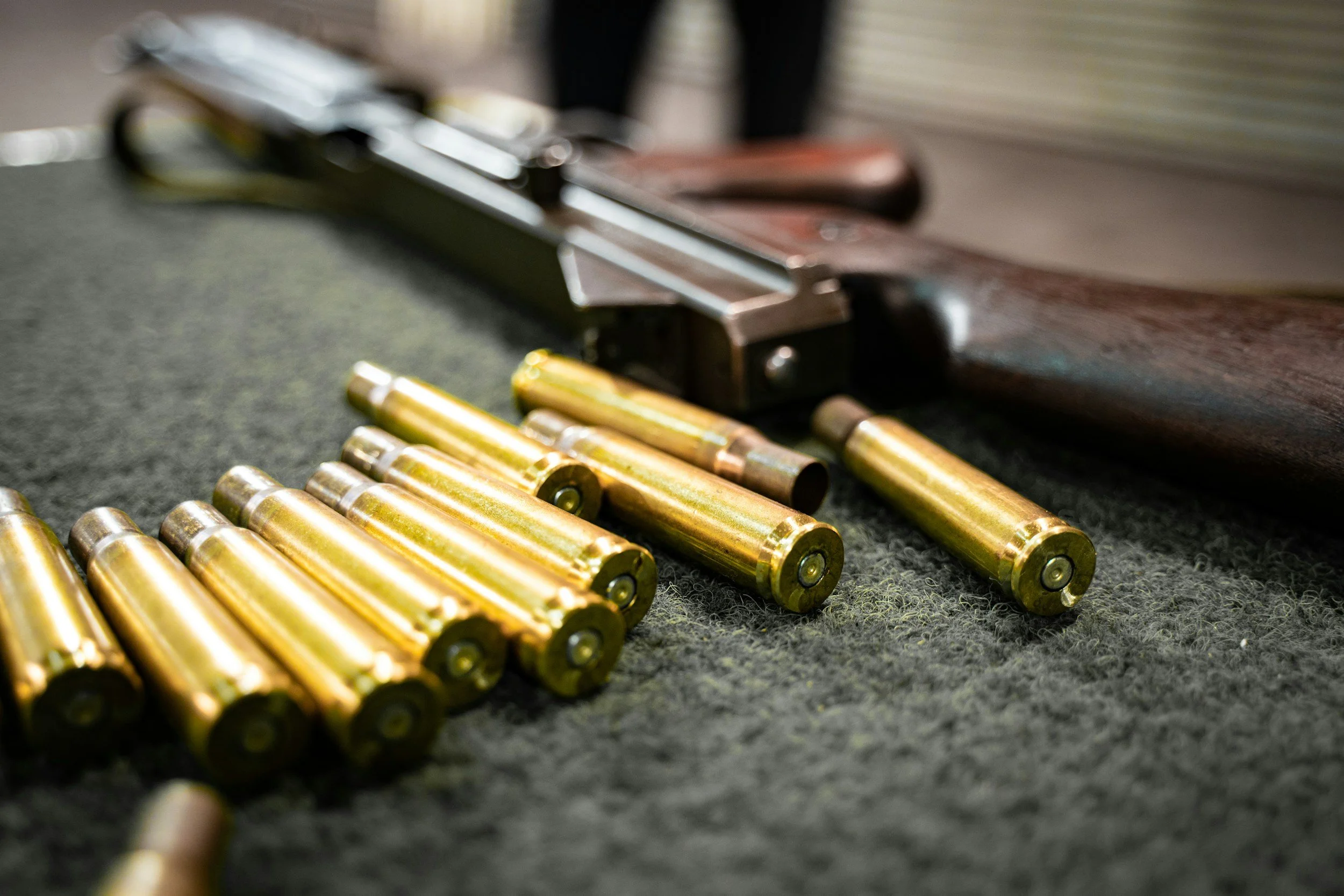
A Beginner's Guide to Reloading Ammunition
Are you curious about how bullets are reloaded at home? Reloading ammunition can be fun, useful, and a money saver. Many people enjoy the control and accuracy it gives.
You get to learn how bullets work inside and out. It's also a great way to enjoy shooting sports more deeply. But where should you begin if you're just starting?
Don't worry - this beginner's guide will help you. Each section will explain the important steps and tools you need.
Ready to learn how to reload safely and correctly? Keep reading to explore the world of ammo reloading with confidence.
What Is Ammunition Reloading and Why Do It?
Ammunition reloading means making used bullets ready to shoot again. It saves money and helps shooters make more accurate ammo.
People also reload so they can shoot more often for less cost. It's a good way to learn about ballistics and precision. Hunters and sport shooters like making loads for special needs.
Reloading also reduces waste by using old brass cases again. It's important to always follow safety rules when reloading. Many reloaders enjoy the hands-on process and results.
This activity gives more control than buying factory-made bullets. Start simple and always check every step carefully. That keeps things safe and fun.
The Essential Tools You Need to Begin Reloading
Starting with the right tools makes reloading easier and safer. You'll need a press, dies, and a powder scale first.
Get a good reloading manual before anything else. It explains each step clearly and safely. Calipers help measure cartridge lengths correctly.
Case trimmers and deburring tools shape the brass. A case tumbler helps clean your used brass cases. Make sure everything is clean and in good shape.
Use a sturdy workbench with enough lighting. Don't forget safety glasses and gloves when reloading.
Quality tools last longer and improve the final results. With the right setup, learning becomes quicker and smoother.
Understanding the Parts of a Cartridge
A cartridge has four main parts: case, primer, powder, and bullet. The case holds all the other parts together securely. The primer ignites the powder when the trigger is pulled.
Powder burns and creates gas to push the bullet forward. The bullet is the part that leaves the barrel. Each piece must match the others perfectly for safety.
Reloaders inspect each part to avoid dangerous mistakes. Beginners should study how each part works together.
Understanding helps you reload better and shoot more safely. Always use proper components for your chosen caliber. Knowing what each part does makes learning easier.
How to Prepare Brass Cases for Reloading
Used brass cases need cleaning before reloading begins. Dirty brass can damage your tools or affect performance. Use a tumbler or ultrasonic cleaner for best results.
After cleaning, inspect each case for cracks or dents. Discard any damaged brass to stay safe during use. Next, resize the brass using a press and dies.
Resizing returns it to the correct shape and size. Trim the case to its standard length if needed. Deburr the edges for smoother seating of bullets.
Then, clean the primer pocket if it's dirty. Proper case prep ensures consistent and safe reloads every time.
Measuring and Charging the Right Powder Amount
Accurate powder measurement is critical for safety and performance. Use a digital scale or mechanical powder measure device. Only use the powder types listed in your reloading manual.
Start with the minimum load and work up slowly. Never go beyond the maximum limit in the manual. Double-check each charge before adding the bullet.
Consistent powder charges improve accuracy and reduce risks. Spills or wrong amounts can cause serious damage. Store powder safely in a dry, cool place.
Always label containers to avoid confusion. Measuring powder properly is one of the most vital steps. Never rush this part of the process.
Seating and Crimping the Bullet Correctly
After charging powder, the bullet needs to be seated properly. This means placing it in the correct depth in the case. Use calipers to check the cartridge's overall length.
Then, apply a crimp if your manual recommends it. Crimping helps the bullet stay in place during firing. Too much crimp can damage the bullet or case.
Too little can cause the bullet to move early. Follow your reloading manual for the correct settings and tools.
Consistent seating depth improves your shooting accuracy. Practice with dummy rounds to get the feel right. Small changes can affect how the bullet performs.
Choosing the Right Caliber and Load for Your Needs
Different guns need different types of ammo to work best. Pick a caliber that matches your firearm exactly. Some shooters enjoy reloading for long-range rifles like the 6.5 PRC.
This round is great for precision and strong performance. Always choose bullets and powders that suit your caliber. Use your manual to find safe and tested load data.
Lighter loads are good for practice and target shooting. Heavier loads work well for hunting and long-range shots.
Match your load to your purpose and shooting goal. Testing different setups helps you find what works best. Stay safe by never guessing your load details.
Safety Tips Every Beginner Must Always Follow
Safety is the most important part of ammo reloading. Always read and follow the instructions in your manual carefully. Wear safety gear like glasses to protect your eyes.
Don't eat or drink in your reloading space. Keep powder away from flames, heat, or sparks. Check every part of the cartridge before loading it.
Label your finished rounds with load data and date. Keep your work area clean and organized daily. Never mix powders or guess measurements.
If something looks off, don't use it-start over. Reloading safely keeps you and others out of danger. One small mistake can lead to serious accidents.
Consider This Beginner's Guide to Reloading Ammunition
Reloading ammunition is a fun and rewarding new hobby. It teaches patience, precision, and safety all at once. You save money while improving your shooting skills.
With each bullet made, your confidence will grow stronger. Start slow, follow all rules, and learn from experience.
Use your manual as a guide every single time. As you reload more, your results will get better. Whether for fun or sport, reloading brings great satisfaction.
Did you find this article helpful? If so, check out the rest of our site for more informative content.