Combining Play and Therapy: Modern Approaches to Behavioural Support for Children
Addressing behavioural and emotional challenges early isn’t only important; it’s crucial. The earlier support is provided, the better the chances for healthy development and resilience. There's a noticeable shift in therapy for little ones. Instead of sitting and talking, many children benefit from play-based approaches. After all, for young minds, play isn't only fun; it’s a way of understanding themselves and the world around them.
This article highlights how modern therapy uses play to support children’s emotional health and behaviour, going beyond traditional talk therapy.
Importance of Early Intervention
Kids don’t always have the vocabulary to express what’s bothering them. When behavioural or emotional challenges persist, they can affect everything from school to family life.
Addressing these concerns early can prevent issues from becoming more entrenched. A child behavioural therapist, trained in innovative approaches, can help children develop coping skills while supporting their emotional growth.
Why Traditional Talk Therapy Isn’t Always Enough for Kids
Children lack the language or insight needed to describe their emotional landscape. More often than not, their behaviour acts as the primary form of communication, acting out, tantrums, withdrawal, or aggression.
Traditional talk therapy relies heavily on dialogue can sometimes miss the mark with young children. They might struggle to verbalise complex feelings or relate to abstract concepts. That's where adaptable, developmentally appropriate tools come into play, providing a bridge between their world and therapeutic support.
What Is Play Therapy?
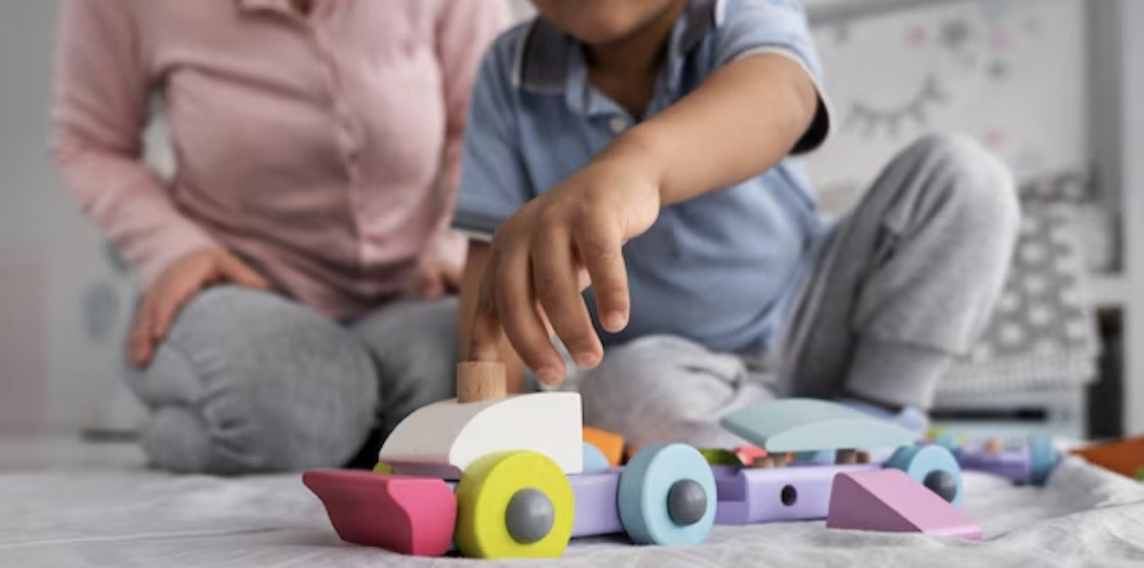
Play therapy is a well-established approach that recognises children’s natural way of expressing themselves: through play. It creates a safe space where the child’s “language” becomes play, and toys become their words. Children process feelings and experiences through actions and stories, not only words.
There are different types:
Directive play therapy: Where the therapist guides the play to address specific issues.
Non-directive play therapy: Allowing children to steer their play, revealing their inner world naturally.
Sandplay, art-based therapy: Using sand, drawings, or creative projects to explore complex emotions.
The Science Backing Play-Based Therapy
Neuroscience reveals that play supports the brain’s development, emotional regulation, attachment, and learning. During play, children practice problem-solving, develop social skills, and build confidence. Studies reinforce that children engaged in play therapy show improvements in behaviour, emotional awareness, and social interactions. Frameworks like child-centred therapy or cognitive-behavioural techniques infused with play elements make therapy effective and enjoyable.
Benefits of Combining Play and Therapy
Builds trust and rapport more quickly, kids are naturally more open when they’re engaged in play.
Turns learning behavioural tools into a fun experience rather than a chore.
Provides a safe environment for exploring fears, trauma, or frustrations without feeling judged.
Encourages expression, whether it’s anger, sadness, or confusion, without needing to find the “right words.”
Parent Involvement in Play-Based Support
Children don’t only need therapy sessions; they need reinforcement at home. Parents participate in guided play activities that align with therapy goals. Learning to play collaboratively, during emotionally charged moments, can help children manage big feelings. A child behavioural therapist can coach parents on supportive strategies, ensuring progress continues outside the therapy room.
Choosing the Right Therapist or Program
When selecting a therapist, look for someone who specialises in play therapy and has experience working with children’s emotional and behavioural needs. Ask questions: How do they craft sessions? How do they involve families? A personalised, child-centred approach is essential because no two children or their issues are the same.
Conclusion
Play isn’t only a distraction; it’s a tool for healing, education, and empowerment. By combining play and therapy, children can explore their feelings, learn new skills, and develop resilience, all in a safe, engaging environment. If your child shows signs of emotional or behavioural struggles, consider exploring modern therapy options. Choosing the right approach tailored to your child’s needs can make a world of difference, and all it takes is a bit of play.