Creating Outdoor Spaces That Support Your Well-Being (Not Just Your Curb Appeal)
Most people think about their yards in terms of how they look from the street. There's nothing wrong with wanting a nice front lawn, but that's only scratching the surface of what outdoor space can actually do for you. The truth is, your yard has the potential to be one of the most healing parts of your entire property. It just needs to be set up that way.
The Connection Between Outdoor Space and Mental Health
Spending time outside isn't just pleasant. It's backed by actual research showing that regular exposure to green spaces reduces stress hormones, lowers blood pressure, and improves mood. But here's where it gets interesting: these benefits multiply when you're actively engaged with your outdoor space rather than just looking at it through a window.
Doing physical work outside creates a different kind of mental break than passive relaxation. When you're trimming branches, clearing debris, or reshaping overgrown areas, your mind shifts into a focused state that crowds out anxious thoughts. It's similar to meditation but more accessible for people who struggle to sit still.
The problem is that many homeowners avoid outdoor work because it feels overwhelming or requires tools they don't have. That's where having the right equipment changes everything. Something as simple as an electric chainsaw for managing fallen limbs or overgrown trees removes a major barrier. When the work feels doable instead of daunting, you're far more likely to actually get out there and do it.
Designing for Function Over Photo Ops
A truly functional outdoor space considers how you'll actually use it, not just how it photographs. This means thinking about shade placement, seating areas that face the right direction for morning coffee or evening wind-down time, and paths that make sense for how you move through the space.
One of the biggest mistakes people make is creating high-maintenance landscapes that require constant upkeep. That's not wellness, that's a part-time job. Instead, focus on native plants that thrive without much intervention, ground covers that suppress weeds naturally, and trees that provide shade without dropping problematic debris.
The goal is to create a space that invites you outside rather than guilting you about all the work that needs doing. If every time you look at your yard you see a to-do list, that's not supporting your well-being. It's adding stress.
Physical Work as Medicine
There's something deeply satisfying about physical labor that produces visible results. Clearing a section of overgrown brush, cutting back dead wood, or reshaping an unruly hedge gives you an immediate sense of accomplishment that's harder to find in other areas of modern life.
This kind of work also provides genuine exercise without feeling like exercise. You're building strength, improving flexibility, and getting your heart rate up, but you're focused on the task rather than counting reps or watching a timer. For people who hate traditional workouts, property maintenance can be surprisingly effective fitness.
The key is making sure the work doesn't become punishing. Older methods of yard care often involved significant physical strain, awkward postures, and repetitive motions that led to injury. Modern battery-powered equipment has changed this completely. Tasks that used to require serious muscle and endurance are now accessible to a much wider range of people, which means more folks can experience the mental health benefits of outdoor work.
Creating Zones for Different Needs
Not every part of your yard needs to serve the same purpose. Think about creating distinct zones that support different activities and moods. Maybe one corner is set up for morning reflection with a simple bench and plants that catch early light. Another area might be designed for active play if you have kids or pets.
A work zone is equally important. This is where you keep tools accessible, where you can pile branches temporarily, where projects happen. Having a designated space for the messier aspects of yard care keeps the rest of your outdoor area feeling peaceful rather than cluttered.
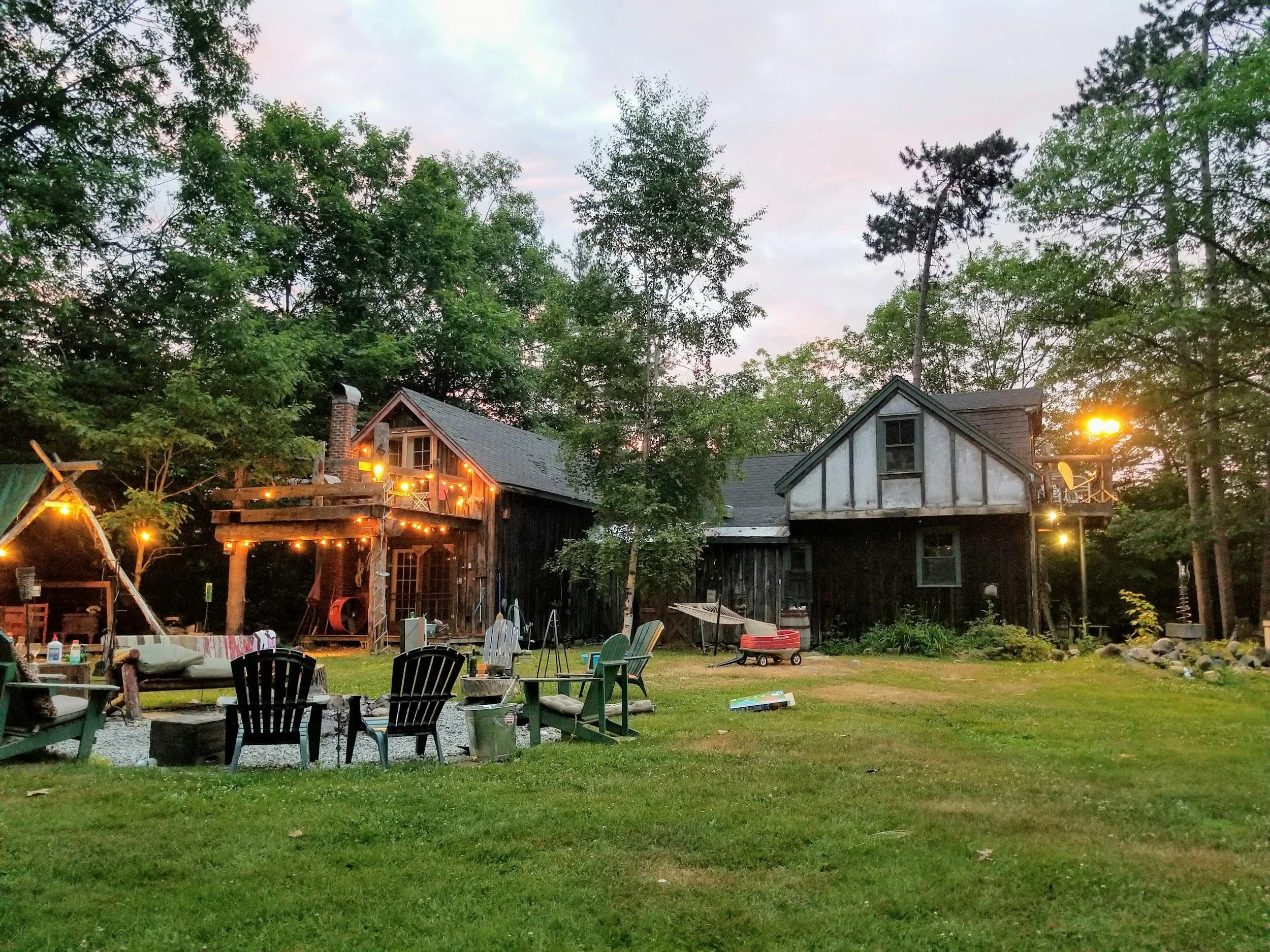
Some people benefit from creating a small fire pit area or outdoor cooking space. There's something primal and grounding about working with fire outdoors. It slows you down, keeps you present, and creates natural gathering opportunities that feel different from indoor socializing.
The Sound and Smell of Outdoor Work
One underrated aspect of yard work is how it engages your senses in ways that indoor life doesn't. The smell of fresh-cut wood, the sound of wind moving through trees you've just pruned, the feel of soil on your hands when you're planting or weeding. These sensory experiences have a grounding effect that's hard to replicate anywhere else.
This is part of why the shift toward quieter electric equipment matters beyond just being considerate to neighbors. When you're not surrounded by the roar of gas engines, you can actually hear the environment around you. Birds, wind, the crack of wood as you work. That auditory connection to nature is part of what makes the experience restorative.
Maintaining Your Space Without Losing Your Mind
The sustainability of any outdoor routine depends on whether it feels manageable. If maintaining your yard requires hours every weekend, eventually you'll start avoiding it. The space that was supposed to support your well-being becomes another source of guilt.
This means being realistic about what you can maintain and adjusting your approach accordingly. Maybe that means choosing plants that don't need deadheading, or accepting that some areas can be a bit wilder. It definitely means having tools that make regular maintenance quick rather than arduous.
Seasonal rhythms matter too. Your yard will need different things at different times of year, and accepting that natural cycle rather than fighting it reduces stress significantly. Fall will bring leaves. Spring will bring rapid growth. Winter might mean your outdoor space goes dormant. Working with these patterns instead of against them creates a more peaceful relationship with your property.
When Your Yard Becomes a Practice
Over time, regular outdoor work can shift from being a chore to being something closer to a practice. Not in a precious or mystical way, but in the sense that it becomes a reliable source of mental reset and physical engagement.
You start noticing seasonal changes more closely. You develop opinions about which tools feel right for different jobs. You get better at reading your plants and trees, understanding what they need before problems become obvious. This accumulated knowledge creates a deeper connection to your specific piece of land.
That connection matters more than most people realize. In a world where so much feels abstract and disconnected, having a tangible place that responds to your care provides something solid to anchor to. Your yard becomes evidence that your actions have real effects, that attention and effort produce visible results.
Making It Work for Your Reality
None of this requires perfect execution or unlimited time. The goal isn't to create a showpiece that wins landscaping awards. It's to develop an outdoor space that genuinely supports your well-being in whatever ways matter most to you.
For some people, that means a space for growing food. For others, it's about having room for kids or dogs to run safely. Maybe it's just having a spot that feels peaceful to sit in after a long day. All of these are valid, and all of them require some level of active maintenance to sustain.
The difference between outdoor space that supports wellness and outdoor space that creates stress usually comes down to whether the care it requires feels meaningful or burdensome. When you have the right tools, realistic expectations, and a clear sense of what you're trying to create, the work itself becomes part of the benefit rather than an obstacle to it.
Your yard doesn't need to look like it belongs in a magazine. It needs to function as a place where you can breathe, move, and reconnect with something slower and more grounded than the rest of your life. Everything else is just decoration.