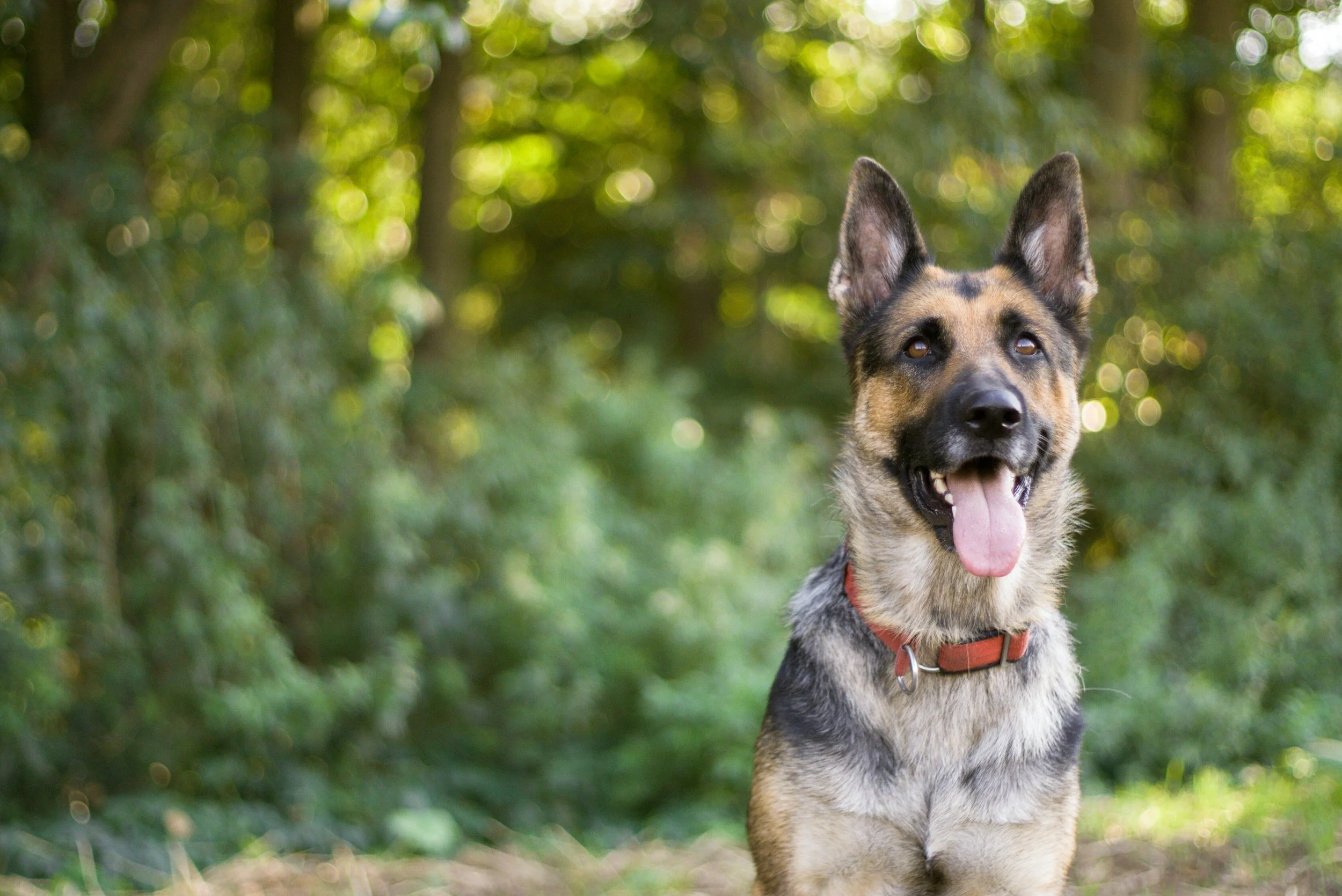
Everything You Need to Know About AKC GSD Puppies
The German Shepherd Dog (GSD) is a breed renowned for its intelligence, versatility, and loyalty, making it one of the most popular choices among dog enthusiasts and families alike. When considering adding an AKC-registered GSD puppy to your home, it is essential to understand the breed’s distinctive characteristics, potential challenges, and the responsibilities that come with ownership. This article serves as a comprehensive guide, delving into the foundational aspects of GSD puppies, including their temperament, training needs, health considerations, and proper socialization techniques. Understanding the American Kennel Club (AKC) standards for this breed ensures that prospective owners are equipped with the knowledge to select a healthy and well-bred puppy. Mittelwest proudly offers AKC GSD Puppies For Sale, bred from top German bloodlines to ensure superior quality, health, and temperament. We will also explore the importance of responsible breeding practices and the significance of choosing a reputable breeder who prioritizes the health and welfare of their dogs. Whether you are a first-time dog owner or an experienced handler, arming yourself with the right information about GSD puppies will pave the way for a rewarding companionship. Join us as we unpack everything you need to know to make an informed decision when welcoming an AKC GSD puppy into your life, ensuring a harmonious and fulfilling relationship for years to come.
Understanding AKC Registration for GSDs
AKC registration for German Shepherd Dogs (GSDs) serves as a vital component in maintaining breed standards and promoting responsible breeding practices. The American Kennel Club (AKC) provides a structured framework that helps ensure the integrity of the breed, requiring breeders to adhere to specific guidelines and standards. When a GSD is AKC registered, it confirms that the dog comes from a lineage recognized by the AKC, emphasizing responsible breeding practices that prioritize health, temperament, and conformation to breed standards. This registration not only bolsters the credibility of breeders but also provides potential owners with assurances regarding the dog's ancestry and potential health issues.
Moreover, AKC registration opens doors for various opportunities such as participation in conformation shows, obedience trials, and other canine events that recognize purebred dogs. Registered GSDs are eligible for various titles and awards that can enhance their value and standing within the breed community. Additionally, registration can facilitate health testing resources and provide access to a network of breeders committed to the welfare of the breed. Ultimately, understanding the implications and benefits of AKC registration is essential for both breeders and prospective GSD owners, as it fosters a deeper appreciation for the breed's heritage and promotes responsible ownership practices.
Essential Health Checks for GSD Puppies
Regular health checks are crucial for German Shepherd puppies to ensure their growth and development are on track. Initial veterinary examinations should occur shortly after adoption, focusing on their overall health, weight, and development. Essential vaccinations such as distemper, parvovirus, and rabies should be administered according to a recommended schedule. Additionally, screenings for hip dysplasia and elbow dysplasia are particularly important in GSDs, given the breed's predisposition to these conditions. These evaluations not only help in identifying potential issues early but also guide owners on the appropriate care and management needed for their puppies.
In addition to vaccinations and screenings, routine parasite control and dental health checks are essential components of a comprehensive health plan for GSD puppies. Deworming protocols should be followed, as young dogs are particularly vulnerable to intestinal parasites. Regular dental care should also be introduced to prevent periodontal disease, which can develop as the dog matures. By prioritizing these essential health checks, owners can foster a long, healthy life for their German Shepherd puppies, ensuring they develop into strong, well-adjusted adults.
Nutrition Guidelines for Growing Puppies
A balanced diet is fundamental for the healthy growth and development of puppies, particularly for active breeds like German Shepherds. Nutritional needs change as puppies grow, requiring a diet formulated specifically for their life stage. High-quality commercial puppy food that lists meat as the primary ingredient is recommended, ensuring it contains adequate protein, fat, and essential vitamins and minerals. The food should also be rich in omega fatty acids to support cognitive function and promote a healthy coat. Portion sizes should be adjusted according to the puppy’s age, weight, and activity level, and feeding multiple small meals throughout the day is advisable to sustain energy levels and prevent gastrointestinal issues.
It is also important to monitor the puppy's weight and growth patterns, as both underfeeding and overfeeding can lead to health problems. Overweight puppies may experience developmental issues, particularly in their joints, while undernourished puppies might suffer from stunted growth and a weakened immune system. Consultation with a veterinarian can provide personalized feeding guidelines and adjustments based on the puppy’s specific needs. Lastly, always provide access to fresh water, as hydration is essential for overall health and vitality during this critical growth phase.
Training Tips for GSD Puppy Success
Consistent and positive reinforcement-based training is crucial for the success of a German Shepherd puppy. These intelligent and eager-to-please dogs respond best to reward-based methods, which encourage desired behaviors through treats, praise, or playtime. Establishing a routine that includes short, engaging training sessions helps maintain the puppy's focus and enthusiasm. Socialization should also be a priority from an early age; exposing the puppy to various environments, people, and other animals fosters good behavior and reduces the likelihood of fear or aggression later in life.
Setting clear boundaries and expectations is essential during the training process. Commands should be taught using simple, consistent cues to avoid confusion. Incorporating fun and engaging activities not only helps the puppy learn but also strengthens the bond between the owner and the dog. Lastly, patience is key; understanding that learning takes time and that setbacks may occur will create a more positive experience for both the puppy and the trainer.
Socialization Importance for GSD Puppies
Socialization is a critical aspect of raising a well-adjusted German Shepherd puppy, as it lays the groundwork for their behavior in adulthood. Early exposure to diverse stimuli—such as varied environments, different people, and various animals—enables the puppy to develop a sense of confidence and security in unfamiliar situations. This process not only helps prevent behavioral issues, such as anxiety or aggression, but also enhances the puppy's ability to interact positively with others, laying the foundation for a well-rounded temperament.
Engaging in socialization activities should begin as soon as the puppy arrives home and continue through the critical developmental stages, typically until around 16 weeks of age. Puppy classes, playdates with vaccinated dogs, and exposure to various sounds and experiences can significantly enrich the puppy's social skills. By prioritizing socialization, owners contribute to the development of a German Shepherd that is not only friendly and well-mannered but also adaptable to a variety of social settings, making them excellent companions in both family life and public environments.
Conclusion
Welcoming an AKC German Shepherd Dog (GSD) puppy into your home is a rewarding commitment that comes with significant responsibilities. Understanding their unique traits, training needs, and health considerations is essential for fostering a strong bond and ensuring a well-rounded development. As you embark on this journey, remember that consistent training, socialization, and a loving environment are key factors in shaping a well-adjusted adult dog. By investing time and effort into your GSD puppy's upbringing, you will not only enhance their quality of life but also enjoy the companionship of a loyal and intelligent breed that has proven to be a steadfast partner in various roles.