Get Quality Aluminum CNC Machining Service Online
What is Aluminum CNC Machining Service?
Understanding the CNC Machining Process
CNC (Computer Numerical Control) Machining is a highly accurate production procedure that employs a computer system to control mechanisms that carve out workpieces to achieve the desired shape. This method is extensively adopted to manufacture intricate components with strict precision, ideal for models and mass production alike. It entails a sequence of machine procedures such as milling, turning, drilling, and tapping with extreme precision. The advantages of CNC machining include repeatability, high speed, and versatility: it can be done with various materials like aluminum.
View Aluminum CNC Machining Service - Kingsun details to get into the details.
Types of Aluminum Used in CNC Machining
The common use of aluminum in CNC machining is attributed to its corrosion resistance, lightweight, and remarkable machinability characteristics. Multiple grades of aluminum are utilized in CNC machining, based on the requirements of the application:
For more in-depth information, you should view Aluminum CNC Machining Service - Kingsun
6061-aluminum: One of the most versatile grades is 6061 due to its mechanical strength, corrosion resistance, and weldability. It works for automotive, aerospace, and general engineering industries.
7075-aluminum: 7075 aluminum works best in aerospace and defense industries where a high strength-to-weight ratio and performance coupled with durability is of utmost importance.
2024-aluminum: This grade is extremely useful in applications requiring structural components in aerospace due to its high strength and fatigue resistance.
5052-aluminum: Used in the marine, chemical, and architectural industries, 5052 aluminum is known for its remarkable corrosion resistance.
MIC-6-aluminum: MIC-6 is a precision-cast aluminum plate used in fixtures and other applications requiring extreme flatness and dimensional stability.
CNC Machining Aluminum Parts
Owing to their unmatched precision and efficacy, CNC-machined aluminum components are in immense demand across industries. Some of the most prominent uses are:
Aerospace: Other than critical brackets, housings, and structural elements, loads of more parts are crafted from robust aluminum alloys to fulfill rigorous aerospace needs.
Automotive: Types of car parts that have a considerable influence on the weight of the vehicle are constructed using aluminum for elements like engines, brackets, and chassis to ensure structural strength is upheld.
Electronics: Machined parts such as connectors, enclosures, and precision heat sinks are designed to accommodate and protect delicate electronic components.
Medical: The lightweight and non-toxic features of aluminum make it a suitable material for manufacturing surgical instruments, diagnostic devices, and other medical devices.
Industrial Equipment: The parts that are made for heavy industrial machines and automation systems include gears, pulleys, and other fixtures.
With diverse industry applications, the exceptional attributes of aluminum paired with CNC machining deliver unrivaled quality components.
How Does the CNC Machining Process Work?
Overview of the CNC Machine Operation
Computer Numerical Control (CNC) Machining is a manufacturing technique that automatically performs cutting, milling, drilling, and other processes on various material types using tools and machinery under the control of software that has been preprogrammed. It is a highly automated procedure utilized in modern manufacturing to create parts accurately from metals, plastics, and composites as well as many other materials. CNC devices are given digitally formatted commands originating from CAD models, a key requisite that guarantees uniformity.
Machining steps and their sub-steps include:
1. Model Design and Programming (Step 1): This stage involves designing and developing a CAD model or type drawing of the object that is to be processed. The model, once created, is then transformed into a code that is understandable by the machine using CAM software, then further transformed into G-code or M-code, which will provide instructions for the CNC machine.
2. Selection and Preparation of Material (Step 2): At this point, raw material is chosen and the desired type is affixed on the workbench or fixture to preserve immobility.
3. Quality Control and Additional Steps (Step 4): Upon completion of the work, the component is graded in terms of outline and exterior smoothness. To accomplish extra and defined requirements, further smoothing procedures like polishing or heat treatment are performed.
The Importance of Tolerances in CNC Machining
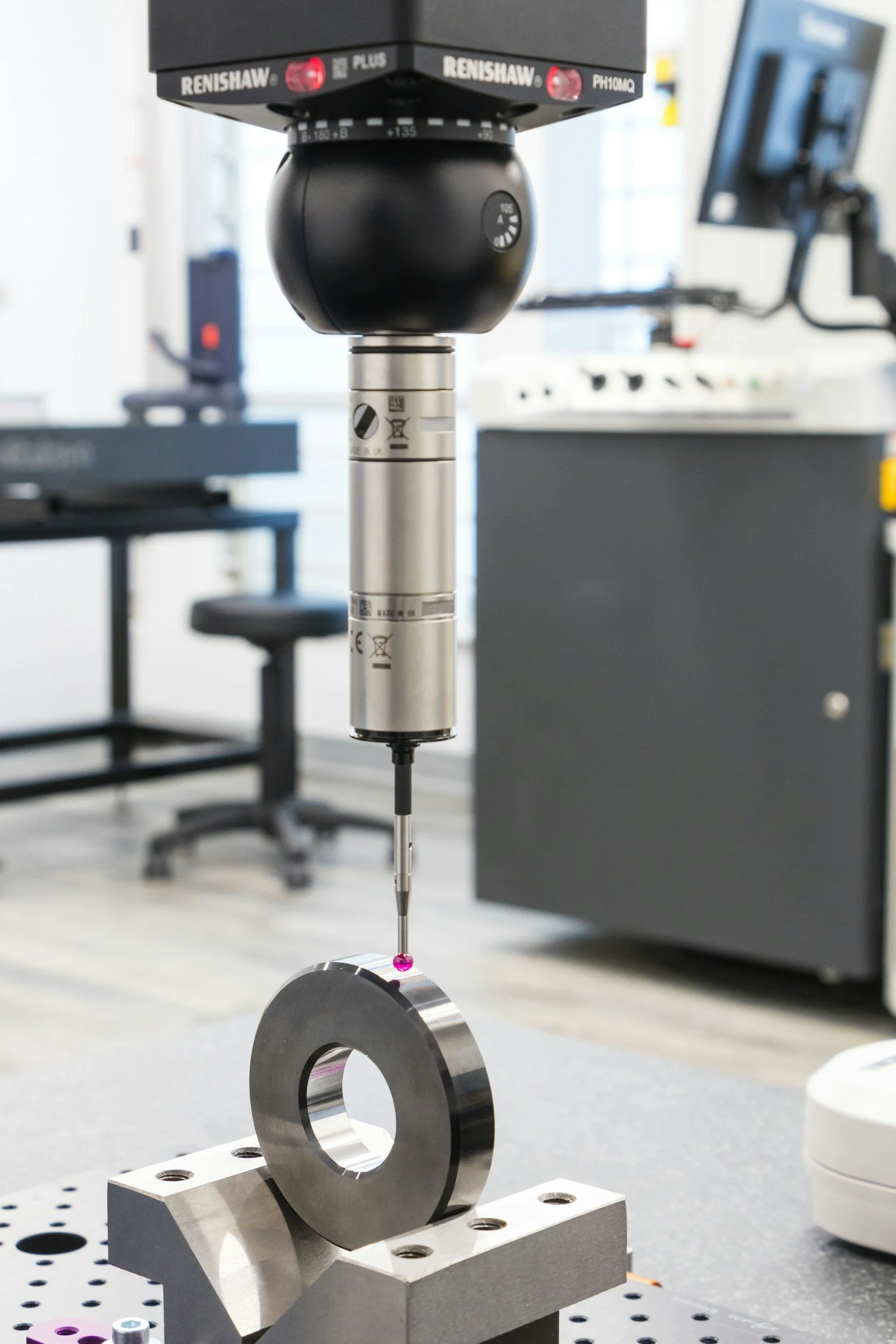
Tolerances concern the acceptable amount of deviation from the specified dimensional requirements of a part, which enables a degree of functionality and ease of fitting. CNC machining is known for achieving repetitive and uniform tight tolerances on parts. Well-accepted Industry standards for tolerances greatly reduce waste and enable proper fit between parts, especially for high-technology industries like aerospace, automotive, and medical devices, where precision is highly valued. Compliance with such standards allows manufacturers to guarantee the dependability and effectiveness of the components.
What Are the Benefits of Using Online CNC Machining Services?
Convenience of Getting an Instant Quote
The CNC machining services make it easier to get a quote. Give the customer a quote in less time than before for custom-made parts. It makes it easier for the businesses since the user, through the platform, can upload the design files, choose the type of material, and how the part will be manufactured. They will receive a quote instantly. It allows the designers and manufacturers to make decisions efficiently without wasting a lot of time going back and forth. Designers can make decisions with better efficiency in terms of time and resources. Instant quoting enhances the planning of a project by allowing better time and resource estimation,which is crucial during production.
The modernized machining services allow users easy access to the tailored CNC parts and allow them to prototype. The assistance can meet your needs, whether you require a small quantity of prototypes or a huge amount of fully manufactured products. Engineers and designers can utilize multiple designs and materials to alter and enhance the product before going to mass production. Tailored components are very important in driving innovation, particularly in electronics, robotics, and aerospace, and having this flexibility is very important to be ahead of others.
Perks of Custom Aluminum CNC Machining
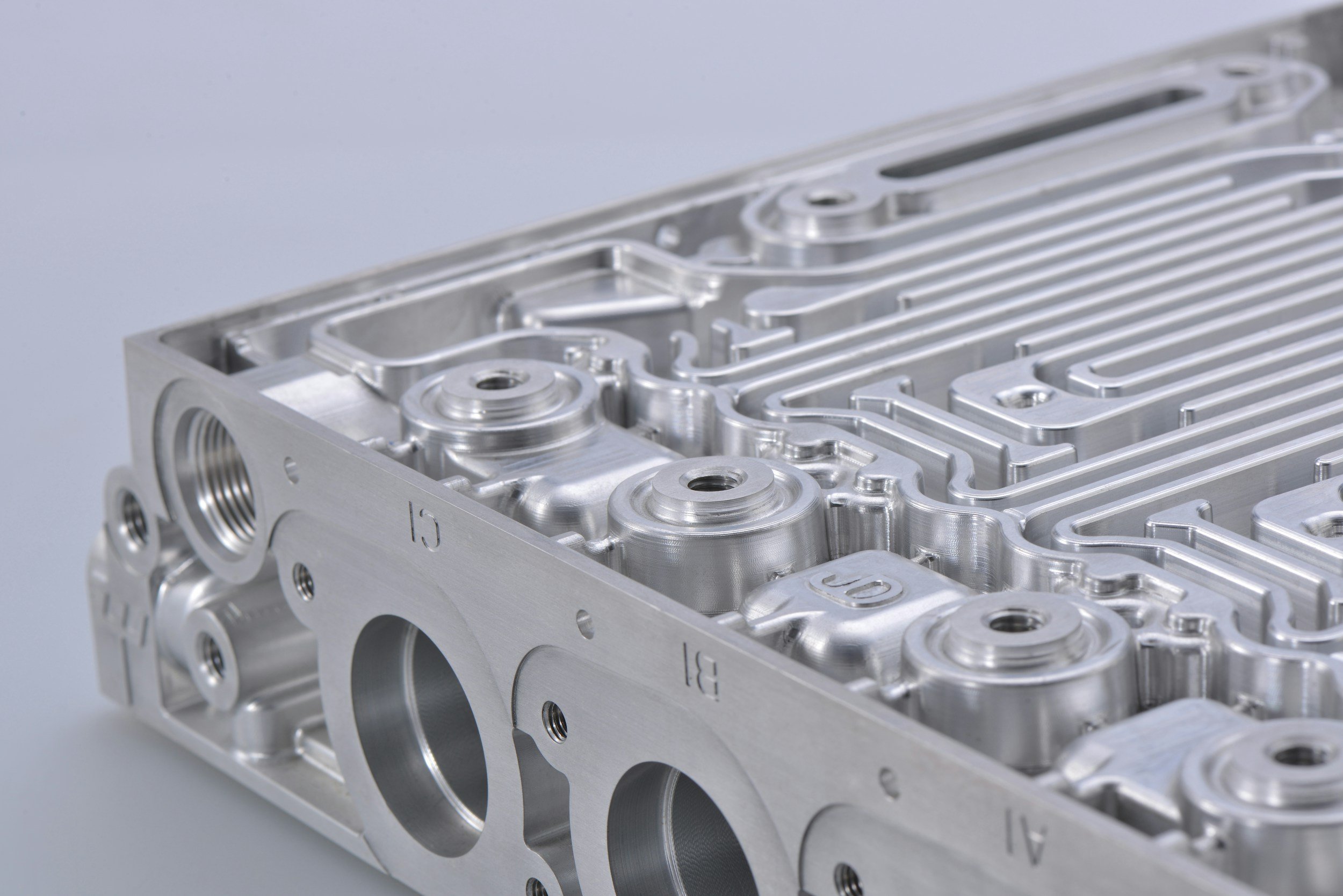
The benefits of custom aluminum CNC machining are numerous because of the advantageous properties of aluminum. The metal is lightweight, strong, corrosion resistant, and can be machined easily, which makes it suitable for a wide range of industries. Even the most complex designs can be achieved through CNC machining as it provides the best precision and surface finishes. Moreover, aluminum is also preferred for parts in automobiles, aircraft, and even electronics because of its thermal and electrical conductivity. Custom aluminum CNC machining allows manufacturers to provide high-quality and long-lasting components while controlling the production costs.
What Are the Common CNC Machining Materials?
Aluminum Alloys and Their Mechanical Properties
Due to the remarkable mechanical characteristics and flexibility of aluminum alloys, they are one of the most popular materials in CNC machining. These alloys have an exceptional strength-to-weight ratio, and therefore, they can be used in applications that require both strength and lightweight materials. For example, 6061 aluminum is incredibly easy to machine, resists corrosion, and has moderate strength, making it useful in many industries. Meanwhile, 7075 aluminum is very strong—almost as strong as some steels—and is therefore favored in aerospace and heavy-duty applications. Their ability to be precisely CNC machined into complex shapes without structural distortion enhances the appeal of aluminum alloys for CNC machining.
The Differentiation of Metal and Plastic in CNC Machining
When it comes to selecting materials for CNC machining, the choice of metals or plastics is largely determined by the needs of the specific project. Metals such as aluminum, steel, and brass are appreciated for their strength, thermal resistance, and durability, which makes them appropriate for use in applications subjected to high stress or extreme environmental conditions. On the other hand, plastics such as ABS, PEEK, and nylon are lightweight and inexpensive while offering remarkable chemical resistance, which makes them ideal for prototypes as well as parts where low weight and flexibility are critical. Each category of materials also has distinct features of machinability; metals require more powerful cutting tools and work more slowly than plastics, which have an easier time being cut, yet if machining speeds or temperatures are too high, they risk deforming. Achieving balance among all these elements is crucial to meet the performance and cost goals.
Choosing the Right Material for Your Project
The selection of a material for CNC machining is almost always dictated by the mechanical attributes of the material, the operational environment, as well as the economic factors surrounding the project. Aluminum alloys may be the best option when low weight and high strength are of primary concern. In contrast, parts that are chemically exposed or that require insulating some performance plastics might benefit from engineering plastics. It is important to evaluate operational stresses such as load, temperature, and even wear, to ensure the material fulfills its intended functionality. Aside from these, the secondary considerations like surface, hardness, and ease of posterior processes also define the boundaries of material selection. These decisions can be made more efficiently when consulting the CNC experts, who ensure the choice of material as well as other strategies meet the objectives and requirements of the finances.
What Surface Finishes are Available in CNC Machining?
Importance of Surface Finish in Aluminum Parts
A CNC machine’s surface finish significantly affects the performance and beauty of its aluminum components. In high-precision systems such as the aerospace, automotive, and medical devices industries, the components require factors like dimensional accuracy and friction, along with wear resistance, to be especially vital. Moreover, when polished to a uniform standard, aluminum pieces become visually appealing, which enables their use in consumer products. Having the correct surface treatment also helps the part’s durability and efficiency by reducing possible defects like scratches, burrs, or rough textures caused by improper machining.
Common Surface Treatments for CNC-Machined Aluminum
Anodizing – Anodizing is a type of electrochemical treatment that enhances the wear and corrosion protective capabilities, as well as adds a decorative oxide layer to the metal’s surface in aluminum. Anodizing comes in various types, such as Type II (decorative) and Type III (hard coat), to serve different needs.
Bead Blasting – Used for aesthetics, bead blasting is a matte finish created by blasting fine glass or other soft particles onto the surface.
Powder Coating – This is a protective finishing technique that improves the durability and appearance of the aluminum part by applying a colored powder, which is protective.
Polishing: This procedure enhances the smoothness and luster of the aluminum surface, improving its aesthetic appeal.
Chemical Conversion Coating (Alodine): This treatment improves the corrosion resistance of the aluminum while still providing a conductive layer, which is normally needed for electrical parts or connectors.
How Surface Finish Affects Corrosion Resistance.
Different surface finishes have a varying impact on the corrosion resistance of aluminum components. Aluminum, in its natural state, can develop an oxide layer; however, this layer may be inadequate in extreme conditions or specialized domains. Anodizing or applying chemical conversion coating protective finishes augment the aluminum's innate protective mechanisms by counteracting factors like moisture and salt. Moreover, such finishes strive to diminish morphological surface features capable of catalyzing corrosion. The right surface treatment optimizes the control of porosity and improves uniformity as important prerequisites to fabricating aluminum parts exposed to harsh operating conditions to ensure structural strength and endurance.
Frequently Asked Questions about CNC Machining
What is the Difference Between Prototypes and Production Parts?
Prototypes serve as preliminary versions of a product designed with the intent of testing a given design’s functionality; they are evaluated for multitasking efficiency before being moved into mass production. Production prototypes focus on speed and adaptability, foregoing cost optimization or long-term durability in favor of quick production. Mass Manufacturing grade production parts are the finalized, optimized prototypes designed for production. These parts boast finely-tuned precision-efficient repeatability and material resource consumption due to their high-volume fabricational nature. Production parts mark the final step in a design’s validation process, in which stringent baths of quality control are employed to ensure consistent catalog standards across numerous pieces.
How to Get a Quote for CNC Machining Services?
In the case of CNC machining practice, obtaining an exact quote requires verifiable, precise expectations. Typically, a CAD design file such as STEP, IGES, and STL is submitted along with assembly-level tolerances, materials, production counts, surface finishes, and all additional auxiliary considerations. Suppliers are free to offer lead-time and cost estimates based on provided timelines; any auxiliary work to be completed post-machining should also be included in consideration. Numerous service providers offer automated quote acquisition systems that increase speed and provide time-sensitive price estimations. Ballpark delivery timelines may also be offered based on working with CAD files.
What Are the Best Practices for CNC Milling?
Correct CNC milling requires a particular set of practices to be put in place. First, parts must be designed to consider manufacturability, like avoiding complex geometries or including standard tolerances and features. Next, choosing a material that is fit for purpose guarantees performance. Third, tool selection and toolpath optimization directly affect precision, wear, and efficiency, thereby necessitating attention. Cleanliness of the CNC machine and quality control also affect precision CNC with low error and uniform parts.