How Memory Care Facilities Can Support Patients With Anosognosia in Dementia
Caring for someone with dementia comes with many expected challenges: memory loss, confusion, and behavior changes. But when a loved one denies anything is wrong, it can be especially difficult. This unawareness, known as anosognosia, isn't denial. It's a neurological symptom that complicates care. In these cases, memory care facilities provide not only safety but specialized support tailored to meet the unique needs of individuals experiencing anosognosia in dementia.
Understanding the Challenge
Anosognosia is a neurological disorder in which the brain is unable to recognize and address the shortages it is facing. Often, in dementia, this may present as a patient feeling quite able to cook a meal, drive, or manage finances when it is quite apparent that they are not. This ignorance may lead to insecurity, misunderstanding, and conflict.
Family caregivers are often overwhelmed by their good intentions. It may sometimes seem an endless struggle to convince an elderly loved one to accept aid, surrender car keys, and follow schedules of medication. It is not only at this point a professional attitude comes in handy. It's essential.
Why do Memory Care Facilities Matter?
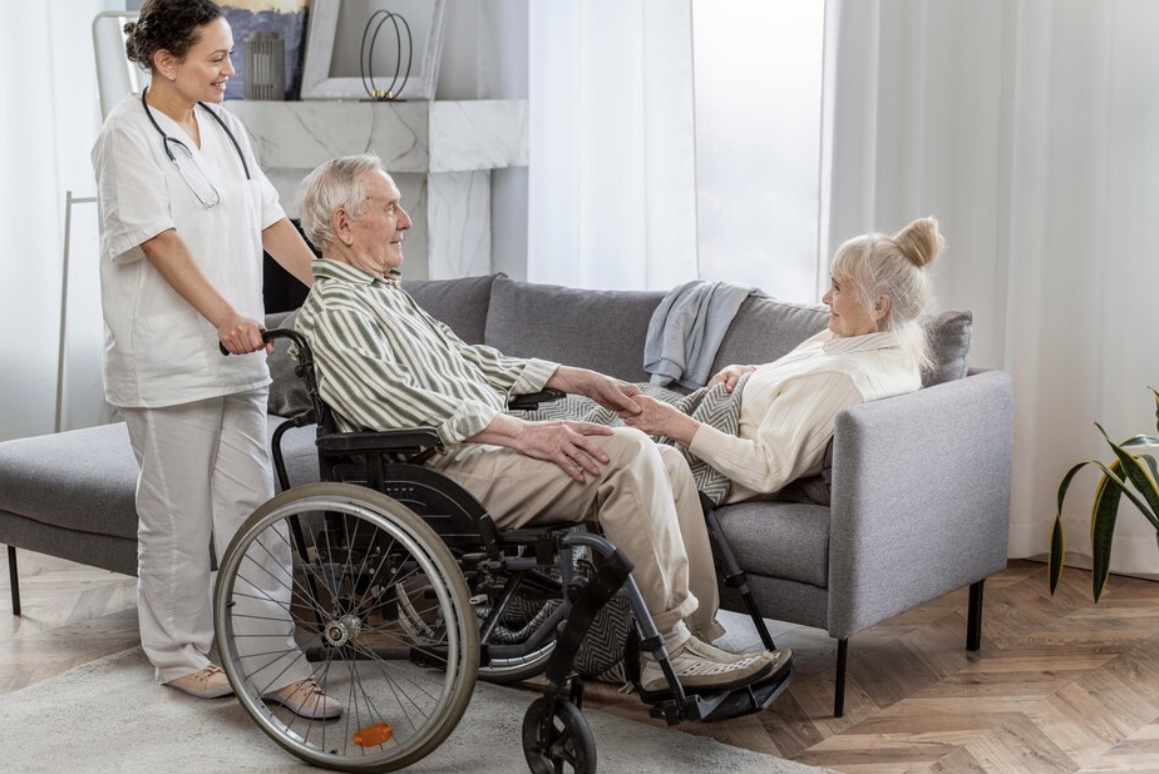
Memory care facilities are designed specifically for individuals with Alzheimer's and other forms of dementia. But beyond the locked doors and staff training, these environments offer a therapeutic structure that's difficult to replicate at home. For patients with anosognosia dementia, this structure becomes a lifeline.
Here's how memory care communities provide essential support:
Individualized Care Plans
Each resident's needs are assessed regularly, allowing care teams to adapt their approach over time. For someone unaware of their condition, this flexibility is key. Staff are trained to observe changes and subtly redirect behavior without confrontation, preserving the person's dignity and minimizing distress.
Non-Confrontational Communication
Memory care professionals are trained to avoid direct correction or arguments. Rather than insisting someone "can't" do something, they guide residents gently toward safer alternatives. For instance, if a resident wants to "go home," staff might acknowledge the feeling and shift the focus to a familiar activity. This approach is especially important for those with anosognosia, who might respond defensively to perceived criticism.
Safe and Structured Environment
Unawareness of one's limitations often leads to risky behavior. In a memory care setting, the physical space is designed to prevent accidents. Secured exits, simplified layouts, and clear signage help residents move safely and independently. When a person believes they're fully capable, such as in cases of anosognosia in dementia, this kind of proactive design becomes invaluable.
Medication and Health Monitoring
Anosognosia can lead individuals to skip medications or resist treatment. In a memory care facility, staff administer and monitor medications consistently, ensuring that residents receive the care they need even if they don't believe they need it.
Support for Emotional Well-being
Living with cognitive decline is emotionally taxing, both for patients and families. Memory care teams include therapists and activity coordinators who focus on residents' emotional health, creating routines that bring comfort, familiarity, and moments of joy. For individuals unaware of their diagnosis, these positive experiences are often more meaningful than explanations or reminders of their condition.
Helping Families Adjust
Families are usually ridden with guilt or reluctance at the idea of a memory care unit. It is nonetheless crucial to note that it is not about surrendering care in these communities. They are about lifting it up. If the ill person is not insightful enough to provide them with home care that is safe or sustainable, memory care is an alternative that keeps the respective individual safe and preserves the family.
Additionally, families have the advantage of a support system of professionals who are knowledgeable about the intricacies of anosognosia dementia. They are provided with direction, counseling, and an escape from the overwhelming 24/7 provider. This not only enhances the quality of life for the patient but also fosters substantial family relationships, allowing them to reunite on an emotional level rather than just coordinating logistics.
A Future-Focused Approach
With the study of the neurological basis of anosognosia still in an active stage of development, memory care facilities are at the forefront of innovation. One of these is the use of various tools, including cognitive testing, virtual reality therapies, and sensor technologies, which help them comprehend and assist residents more effectively. It is not about fixing unawareness as it is; it is about working within it compassionately.
Where there is such a complex symptom, empathy and consistency are the most effective tools. The memory care teams are aware of this. Their schedules, program design, and peaceful perseverance create an atmosphere in which those who are unable to acknowledge their impairment can live with dignity, purpose, and security.
Conclusion
When Anosognosia crashes into dementia, the difficulties go much beyond memory loss. To these patients and their families, a special memory care facility is more than a place where supervision is maintained. It is an education, a framework, and an understanding of knowledge that enables one to live in a highly complex disease. By doing so, it eases the minds of the families and improves the livelihood of the person who is most in need.