How to Choose the Right Dumpster Size for Your Project in Spartanburg
Matching Dumpster Capacity to Project Scope
Choosing the right dumpster size is a big deal for any project in Spartanburg. Get it wrong, and you might end up with a dumpster that's too small, forcing extra trips and costs, or one that's way too big, meaning you paid for space you didn't need. It's all about matching the dumpster's capacity to how much waste your specific project will create. Think about the scale of your work, from a simple garage cleanout to a full-scale home renovation.
The goal is to have just enough space without any significant overflow or wasted capacity. This careful consideration helps keep your project on track and within budget. When you're looking at dumpster sizes, consider the volume of debris you anticipate. A small home cleanout will need a different dumpster than a major construction job. Understanding this upfront saves time and hassle later on.
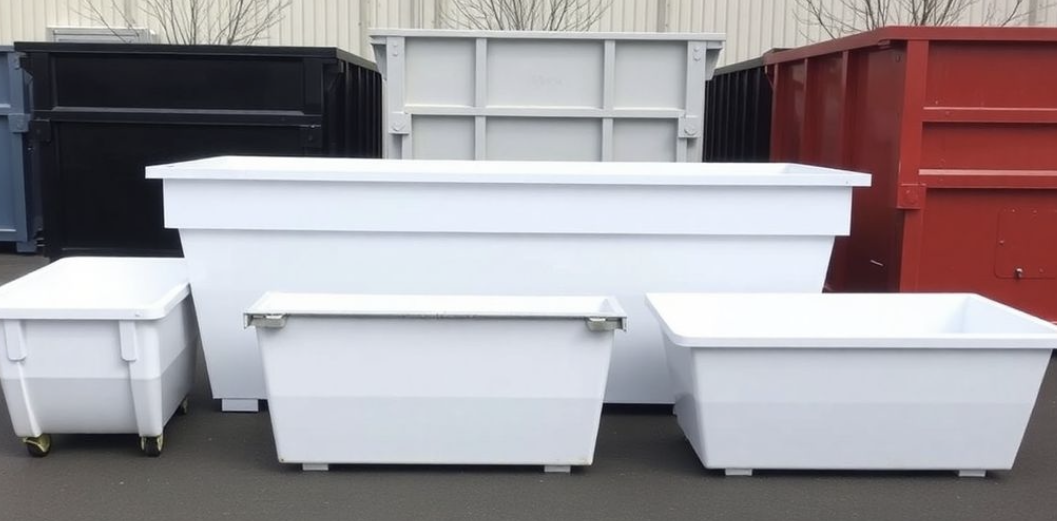
It's helpful to visualize the amount of waste. For instance, a 10-yard dumpster might hold about 4 pickup truck loads of debris. A 20-yard dumpster could hold around 8 pickup truck loads. Knowing these comparisons can make estimating your needs much easier when selecting a dumpster.
Common Dumpster Sizes and Their Uses
Spartanburg residents often find themselves needing different dumpster sizes depending on their project. For smaller tasks like yard work or clearing out a single room, a 10-yard or 15-yard dumpster is usually sufficient. These are great for general household junk, yard waste, or small amounts of renovation debris.
For medium-sized projects, such as a bathroom remodel, kitchen update, or a roofing job, a 20-yard dumpster is a popular choice. It offers more room for materials like drywall, old cabinets, and flooring. If you're undertaking a larger renovation, like a whole-house gut or a significant construction project, you'll likely need a 30-yard or even a 40-yard dumpster to handle the volume of waste.
Here's a quick guide:
10-15 Yard Dumpsters: Ideal for small cleanouts, yard debris, minor renovations.
20-25 Yard Dumpsters: Suitable for medium renovations, garage cleanouts, larger yard projects.
30-40 Yard Dumpsters: Best for major renovations, construction, demolition, whole-house cleanouts.
Estimating Waste Volume for Accurate Sizing
Accurately estimating the waste volume is key to selecting the right dumpster size. Start by listing all the items you plan to discard. For renovations, consider the materials you'll be removing – drywall, flooring, cabinets, fixtures, etc. Think about how much space these items will take up when piled together.
It's often better to overestimate slightly than to underestimate. If you're unsure, it's wise to consult with your dumpster rental provider in Spartanburg. They have experience with various projects and can offer guidance based on your specific needs. They can help you determine the right dumpster size to avoid costly mistakes.
A good rule of thumb is to measure the space your debris would occupy if it were neatly stacked. Then, convert that to cubic yards. For example, if you have a pile of debris that's 10 feet long, 5 feet wide, and 4 feet high, that's 200 cubic feet. Since there are 27 cubic feet in a cubic yard, that's roughly 7.4 cubic yards of waste. This helps in choosing the correct dumpster size.
Remember, overfilling a dumpster can lead to extra fees and potential safety hazards. Proper sizing ensures your waste fits comfortably within the dumpster's limits, making pickup smooth and efficient. Choosing the correct dumpster size is a critical step for a successful project.
Key Factors in Dumpster Rental Selection
Assessing Project Scale: From Decluttering to Renovations
When you're planning a project in Spartanburg, the first step to picking the right dumpster is to figure out just how much waste you'll be creating. Think about the size of your job. Are you just clearing out a closet, or are you tearing down walls for a full home remodel? A small decluttering job might only need a smaller bin, maybe a 10 or 15-yarder. These are good for things like old furniture, boxes, or yard trimmings. On the other hand, a major renovation, like a kitchen or bathroom update, will produce a lot more debris. You'll likely need a larger dumpster, perhaps a 20-yard or even a 30-yard, to handle all the old cabinets, flooring, drywall, and other materials. Getting the project scale right from the start helps avoid needing a second dumpster later.
It's easy to underestimate the amount of waste. For instance, a simple bathroom remodel can generate more than you think with old tiles, vanity, and plumbing. Similarly, a large yard cleanup might involve branches, soil, and old landscaping materials. Always err on the side of caution and consider a slightly larger dumpster if you're unsure. This prevents the hassle and extra cost of ordering another bin mid-project. Remember, the goal is to have enough space without paying for capacity you won't use. Choosing the right dumpster size is key to a smooth process.
Here’s a general idea of what different dumpster sizes can hold:
10-15 Yard Dumpsters: Good for small cleanouts, garage cleanouts, minor landscaping, or single-room renovations. Think about 4-6 pickup truck loads.
20-25 Yard Dumpsters: Suitable for medium-sized projects like kitchen remodels, bathroom renovations, flooring removal, or larger yard cleanups. This is roughly 7-10 pickup truck loads.
30-40 Yard Dumpsters: Best for major renovations, construction projects, whole-house cleanouts, or demolition. These can hold 10-15 pickup truck loads of material.
Identifying Debris Types for Proper Disposal
Beyond just the size of your project, you also need to think about what kind of waste you'll be dealing with. Different materials have different disposal requirements, and not all dumpsters are equipped to handle everything. For example, if you're doing a major construction job, you'll have materials like wood, drywall, concrete, and metal. These are generally considered heavy debris. A dumpster that's designed for construction waste will be better suited for this than one meant for general household junk.
Household waste, like old furniture, clothing, and general clutter from a cleanout, is usually straightforward. However, some items might be restricted. Things like electronics, batteries, hazardous chemicals, or large appliances often can't go into a standard dumpster. You'll need to check with your dumpster rental provider in Spartanburg about specific items. They can tell you if you need a special type of dumpster or if certain items require separate disposal methods. Proper identification of debris types helps avoid fines and ensures your waste is handled correctly.
Always confirm with your rental company what materials are accepted in their dumpsters. This prevents issues like extra fees or refusal of pickup.
Considering Rental Duration and Pickup Schedules
When you rent a dumpster, you're not just paying for the bin itself; you're also paying for the time you have it. Think about how long your project will realistically take. A quick weekend cleanout might only require a few days with the dumpster. However, a longer renovation project could mean you need the dumpster for a week or even longer. Most rental companies offer different rental periods, and it's important to choose one that fits your timeline without incurring extra daily charges.
It's also wise to consider the pickup schedule. Some companies offer on-demand pickups, while others have set pickup days. If your project is time-sensitive, you'll want to know when you can expect the dumpster to be removed. Don't forget to factor in potential delays. Sometimes projects take longer than expected, or weather can cause setbacks. It's often a good idea to build a little buffer time into your rental period. This way, you won't feel rushed to finish, and you can avoid late fees. Planning your rental duration and pickup schedule carefully is part of selecting the right dumpster for your needs.
Standard Rental Period: Typically 7 days. Check if this works for your project.
Extended Rentals: Available for longer projects, but may incur additional fees.
Pickup Notification: Understand how to schedule your pickup and how much notice is required.
Weekend Projects: If your project is on a weekend, confirm pickup availability for Monday or Tuesday.
Navigating Dumpster Placement and Logistics
Ensuring Adequate Space for Delivery and Use
Before you even think about ordering a dumpster, take a good look at where it needs to go. You need enough room for the truck to get in and out safely, and then for the dumpster itself to sit there without blocking anything important. Think about your driveway – can a big truck maneuver in there?
Measure your intended placement area carefully. A 10-yard dumpster might fit fine, but a 20-yard one needs more space. It’s not just about the dumpster’s dimensions, but also the truck’s turning radius. You don't want to block your neighbor's access or your own garage.
Consider the project too. If you're tearing down a shed, you'll need space around the dumpster to move debris into it easily. Proper placement makes the whole process smoother.
Understanding Driveway and Street Placement Guidelines
Placing a dumpster on your property, like in the driveway, is usually straightforward. However, if you need to put it on the street, things get a bit more complicated. Many towns have rules about this.
For street placement, you might need a permit from the city. This is to make sure it doesn't interfere with traffic or emergency services. Always check with your local Spartanburg authorities first.
Also, think about the street itself. Is it wide enough? Are there parking restrictions? Getting this wrong can lead to fines, so it's worth the effort to find out the rules.
Checking Local Permits and HOA Regulations
Beyond city rules, your Homeowners Association (HOA) might have its own regulations about dumpster placement. Some HOAs have strict rules about where and for how long a dumpster can be on a property.
It’s best to review your HOA’s guidelines before you rent. This avoids any unpleasant surprises or fees later on. A quick call or check of their documents can save a lot of hassle.
Remember, adhering to these local rules and HOA regulations is part of responsible dumpster rental. It keeps your project on track and avoids unnecessary problems.
Choosing the Right Dumpster Rental Provider
When you need a dumpster for your Spartanburg project, picking the right company makes a big difference. It’s not just about getting a bin; it’s about getting the right service for your needs. Think about who you’re working with and what they bring to the table.
Benefits of Local Expertise in Spartanburg
Local dumpster rental companies in Spartanburg often know the area well. They understand local rules, like where you can place a dumpster or if you need permits. This local knowledge can save you time and hassle. They’re part of the community, so they tend to care more about doing a good job for their neighbors. Choosing a local provider means you’re likely to get more personalized service.
Evaluating Service Offerings and Customer Support
Look at what services a company provides beyond just dropping off a dumpster. Do they offer different sizes? Do they have special dumpsters for certain types of waste? Good customer support is also key. You want a company that answers your questions clearly and helps you pick the right dumpster size. They should be easy to reach if you have issues during your rental period. A company that offers clear communication and helpful advice is a good sign.
Understanding Pricing and Potential Fees
Always ask about the total cost upfront. What’s included in the rental price? Are there extra charges for going over a certain weight limit or for keeping the dumpster longer than planned? Some companies might charge for certain types of waste. Make sure you get a clear breakdown of all potential fees before you agree to anything. This helps avoid surprises later on. Understanding the pricing structure is vital when you rent a dumpster.
Common Project Scenarios and Dumpster Recommendations
Choosing the right dumpster size for your project in Spartanburg can seem tricky, but it really comes down to matching the dumpster to the job. Think about what you're trying to accomplish. Are you just clearing out some old stuff from the garage, or are you tearing down walls for a major remodel? The amount of waste generated is the biggest factor.
It's helpful to visualize how much trash you'll have. For instance, a 15-yard dumpster is about the size of four to six pickup truck loads. If you're doing a small cleanout or some yard work, this might be plenty. For bigger jobs, like a kitchen remodel, you might need a 20-yard dumpster, which can hold about five to eight pickup truck loads. Major renovations or construction projects often call for a 30-yard dumpster, capable of holding nine to twelve pickup truck loads.
Here's a quick guide to common projects and recommended dumpster sizes:
Small Home Cleanouts and Yard Work: Think decluttering attics, garages, or clearing out leaves and branches. A 10-yard or 15-yard dumpster is usually sufficient. These smaller units are easier to place and handle typical household junk or yard waste without being overkill.
Bathroom or Kitchen Remodeling Projects: These jobs create more debris, like old cabinets, countertops, drywall, and flooring. A 20-yard dumpster is a good starting point. It offers enough capacity for the materials from a single room renovation, making sure you don't have to make extra trips or rent a second dumpster.
Major Renovations and Construction Debris: If you're undertaking a large-scale project, such as a full home renovation, additions, or new construction, you'll generate a significant amount of waste. This can include lumber, concrete, metal, and more. A 30-yard or even a 40-yard dumpster is often necessary to contain all the construction debris. It's better to have a bit of extra space than to run out mid-project.
Remember to always check with your dumpster rental provider about what types of materials are accepted. Some items, like hazardous waste or electronics, may require special disposal methods and cannot go into a standard dumpster.
Avoiding Common Dumpster Rental Pitfalls
The Consequences of Overfilling Your Dumpster
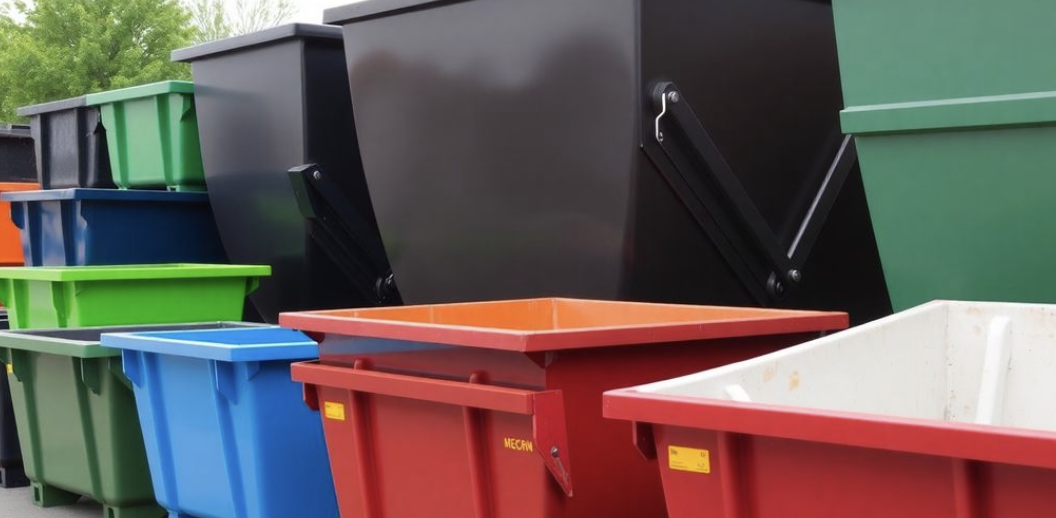
Overfilling a dumpster is a common mistake that can lead to extra charges and delays. When a dumpster is filled beyond its capacity, it becomes unsafe to transport. This means the rental company might refuse to pick it up, leaving you with a full bin and a project on hold. Always respect the fill line marked on the dumpster.
Exceeding the fill line can result in significant fees. These charges cover the extra labor and potential safety risks involved in handling an overloaded container. It’s better to order a slightly larger dumpster than to risk these penalties. Proper dumpster sizing from the start helps avoid this pitfall.
Verifying Acceptable Materials for Disposal
Not all waste is created equal, and rental companies have specific rules about what they can and cannot accept. Putting prohibited items in your dumpster can lead to fines or refusal of service. Always check with your provider about acceptable materials before you start filling.
Commonly restricted items include hazardous waste, electronics, batteries, and certain chemicals. Yard waste and heavy materials like concrete or dirt might also require special handling or a different type of dumpster. Knowing what you can and cannot put in the dumpster is key to a smooth rental experience.
Planning for Unexpected Waste Increases
Projects rarely go exactly as planned, and waste volume can sometimes be unpredictable. It’s wise to anticipate potential increases in debris. If you’re unsure about the total amount of waste, it’s often more cost-effective to rent a slightly larger dumpster than to need a second pickup.
Consider the possibility of discovering more waste than initially anticipated, especially during renovations or large cleanouts. Having a buffer in your dumpster size can save you time and money in the long run. This proactive approach to dumpster rental prevents last-minute complications.
Wrapping Up Your Dumpster Decision
So, picking the right dumpster size for your Spartanburg project really comes down to a few key things. Think about how big the job is, what kind of stuff you'll be tossing, and how much of it there will be. It’s not rocket science, but taking a moment to figure this out saves a lot of hassle later. Whether it’s a small garage cleanout or a big home renovation, getting the dumpster size right means less worry about extra trips or paying for space you don’t need. If you’re still scratching your head, don’t hesitate to reach out to local rental companies; they’ve seen it all and can offer solid advice to make your cleanup smooth sailing.