The Science of a Confident Smile: How Tooth Alignment Shapes First Impressions
When you meet someone new, what’s the first thing you notice? For many people, it’s not their handshake, outfit, or eye color—it’s their smile. A genuine, well-aligned smile can communicate warmth, confidence, and approachability in just a few seconds. And as more research supports the social and psychological power of smiles, it's clear that tooth alignment plays a much larger role than most people realize.
While dental health is often discussed in clinical terms—cavities, cleanings, and X-rays—alignment and aesthetics are increasingly recognized as a core part of how we express ourselves and are perceived by others.
Why Smiles Matter More Than Ever
In our image-conscious world, smiles are a kind of social currency. A straight, bright smile is often associated with success, health, and friendliness. On the other hand, misaligned or discolored teeth can unintentionally signal insecurity, stress, or neglect—even when none of those things are true.
This is not just a cultural stereotype. Studies in psychology and behavioral science have consistently shown that people with well-aligned teeth are more likely to be rated as trustworthy, confident, and attractive. In job interviews, networking events, and even online dating profiles, a confident smile can shape first impressions before a single word is spoken.
The Role of Tooth Alignment in Facial Symmetry
Human beings are naturally drawn to symmetry. It's a visual cue for balance and proportion, and it's deeply ingrained in how we assess beauty and harmony. When teeth are crooked, spaced unevenly, or rotated, it disrupts the symmetry of the lower face. This can subtly alter how others perceive facial expressions—even if the person is smiling.
Straightening teeth doesn't just enhance the look of individual teeth; it restores balance to the entire smile arc and supports even muscle distribution in the cheeks and lips. This facial harmony contributes to a more youthful and composed appearance.
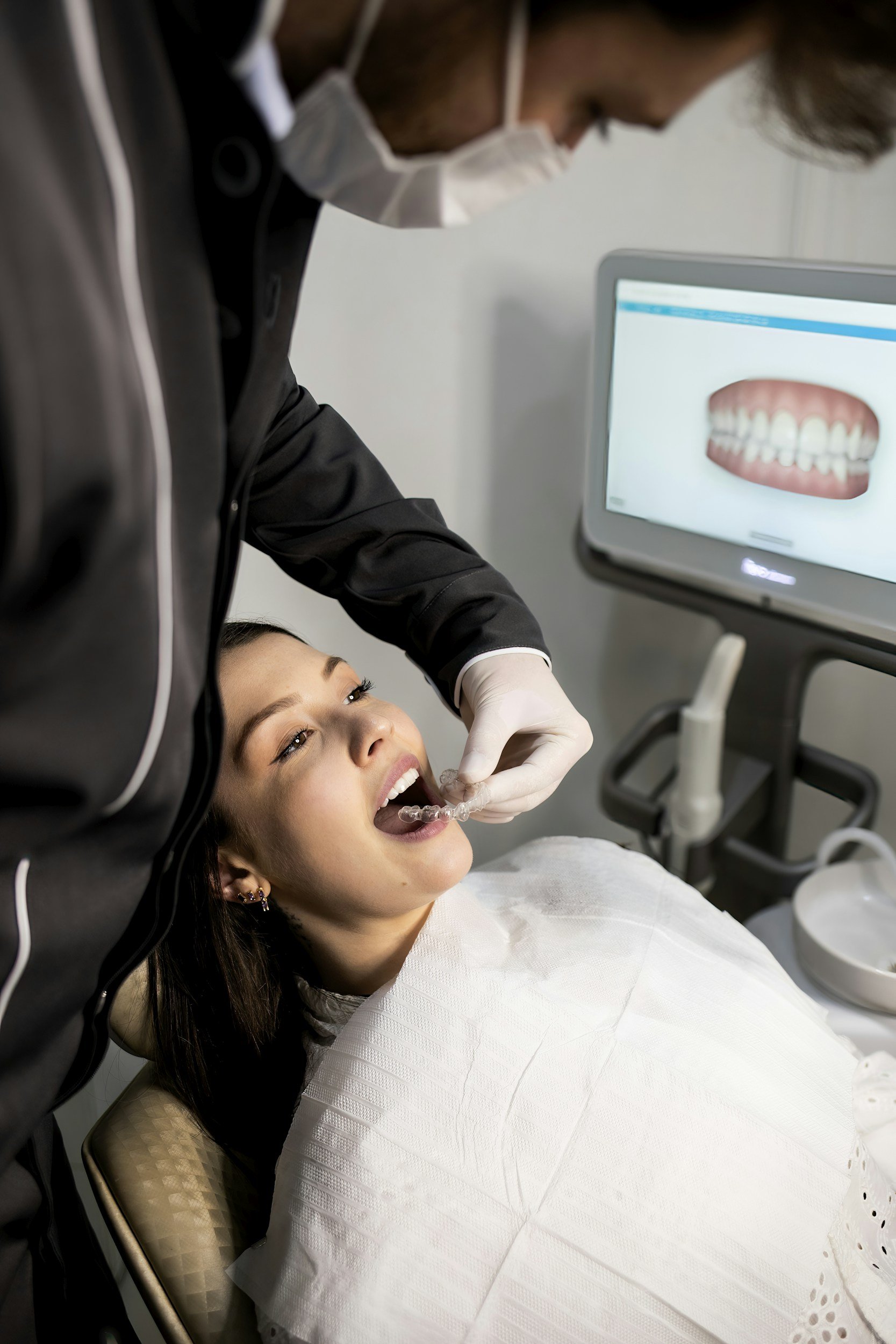
The Subtle Power of Invisalign
For many adults and teens, traditional braces are not the preferred option. They're visible, often uncomfortable, and can affect speech or eating habits. This is where Invisalign has transformed the conversation around orthodontics.
Clear aligners offer a nearly invisible way to shift teeth over time. The system works gradually and efficiently, allowing wearers to go about their lives with minimal disruption. Beyond convenience, the transparency of the aligners removes much of the social stigma associated with metal braces, especially for adults in professional settings.
Invisalign has become a powerful tool for individuals who want to improve their alignment without broadcasting their treatment to the world. The subtlety of the system aligns perfectly with the modern goal: to enhance confidence discreetly and effectively.
Teeth Whitening and Alignment Go Hand-in-Hand
It’s easy to focus on one aspect of dental aesthetics—color or alignment—but they often work best together. A person may have perfectly straight teeth, but if they’re dull or stained, the visual effect is diminished. Likewise, bright white teeth that are misaligned can appear uneven or crowded, drawing attention to imperfections.
That’s why teeth whitening and alignment treatments often complement each other. Whitening lifts surface stains and brings radiance to the smile, while alignment ensures that the teeth themselves are positioned harmoniously. The combined effect is a smile that feels intentional and naturally engaging.
Whitening treatments have become more accessible and comfortable over the years, offering fast, visible improvements. When used in conjunction with aligners or post-treatment finishing, they provide the kind of transformation that can make people feel more at ease in photos, conversations, and public settings.
Veneers and the Psychology of Precision
In cases where tooth shape, spacing, or color cannot be corrected through aligners or whitening alone, dental veneers offer a more comprehensive solution. Veneers are thin, custom-made shells that bond to the front of teeth, instantly changing their appearance.
But beyond the cosmetic benefits, veneers have a deeper psychological impact. Many people who opt for veneers do so after years of avoiding photos, hiding their smiles, or feeling uncomfortable in social situations. Once their smile is transformed, their behavior often changes too—they laugh more freely, engage more confidently, and speak with greater ease.
This shift is not simply aesthetic—it’s emotional. A smile that feels authentic and unguarded can have profound effects on both personal interactions and internal self-image.
First Impressions in the Digital Age
Today’s first impressions often happen online—on social media, Zoom calls, or professional networking platforms. And while we might wish that personality or credentials spoke louder than appearance, visual impressions still matter.
A high-resolution photo or video call reveals everything, from minor tooth discoloration to subtle gaps or crowding. This doesn’t mean we should all strive for perfection, but it does explain why more people are choosing to improve their dental appearance as part of personal or professional development.
In these settings, a bright, aligned smile can communicate readiness, positivity, and reliability—traits that often influence hiring decisions, business partnerships, and even friendships.
A Holistic View of Dental Wellness
Modern dentistry is about more than cleanings and fillings. It’s about helping people align how they feel inside with how they present themselves to the world. Tooth alignment, brightness, and shape all contribute to that expression.
Clinics like Nations Dental Studio recognize that patients aren’t just looking for health—they’re looking for confidence, balance, and a smile that feels natural to them. That’s why treatments are evolving to be less invasive, more personalized, and focused on long-term well-being.
Final Thought: Smile Like You Mean It
A smile is one of the few expressions that bridges language, culture, and age. It’s the fastest way to show warmth, signal trust, and express joy. But when people feel unsure about their teeth, due to misalignment, staining, or uneven shape, they often hold back, even when they want to smile.
By understanding how alignment and aesthetics influence perception, we can make informed decisions about our dental wellness. Whether it's through Invisalign, teeth whitening, or dental veneers, the goal isn’t perfection—it’s confidence.
When you smile freely, people notice. Not just the shape of your teeth, but the energy you bring into the room. And that’s something truly worth investing in.