

International School Holidays in Singapore: Key Dates
For families navigating the academic calendar in Singapore, understanding the structure and timing of international school holidays is essential. Whether planning vacations, enrichment activities, or aligning schedules across different schools, having clarity on key dates helps ensure smoother coordination throughout the year.
Singapore is home to a wide range of international schools, each with its calendar guided by the curriculum it follows. While there are general trends, international school holiday schedules can differ depending on whether the institution uses the British, American, Australian, International Baccalaureate (IB), or other academic systems. Despite these variations, there are some commonalities that families can use as a reference when preparing for the school year.
Academic Year Structures Across International Schools
International schools in Singapore typically begin the academic year in either August or January, depending on the curriculum. British and IB schools often start in August and end in June or July, mirroring the UK and Northern Hemisphere academic cycle. Meanwhile, Australian curriculum schools frequently begin in late January and conclude in early December, following the Southern Hemisphere calendar.
This split means that the definition of “school holidays” varies significantly. A family with children in both a British and Australian curriculum school may need to juggle very different schedules. For this reason, understanding the structure of each school's year is the first step in managing key academic breaks effectively.
Common Holiday Periods
Despite the variations, there are generally three main holiday periods observed across most international schools: the mid-year break, the end-of-year holiday, and a spring or term break. Additionally, several public holidays affect all schools regardless of curriculum.
The mid-year holiday for British and IB curriculum schools is likely to fall between late May and early August, depending on the school’s term structure. This break may range from four to eight weeks and is often used by families to travel or return to their home countries.
Australian curriculum schools are expected to have a mid-year holiday in late June to early July, usually lasting about two weeks. They will also close for a longer end-of-year holiday starting in early December and extending into January 2026.
The spring term break, often scheduled in March or April, is common among British curriculum schools. This break typically lasts two weeks and coincides with Easter in many cases. Australian schools usually have a similar short holiday at the end of the first term around April.
Most international schools in Singapore observe public holidays such as Chinese New Year (end of January or early February), Hari Raya Puasa, Deepavali, National Day (9 August), and Christmas. These may result in extended weekends or additional time off, especially if they fall close to regular school breaks.
Planning Travel and Activities Around Holidays
Many families use school holidays for travel, either abroad or within Southeast Asia. Singapore’s location offers convenient access to destinations such as Malaysia, Indonesia, Thailand, and Vietnam. However, given the popularity of travel during holiday seasons, it is advisable to plan trips well in advance to secure preferred accommodations and flight schedules.
Holidays also provide an opportunity to enrol children in enrichment programmes, sports camps, and creative workshops. Numerous providers across Singapore offer short-term holiday programmes catering to various age groups and interests—from coding and robotics to performing arts, sports, and language immersion. These options are particularly useful for working parents or those wishing to keep children engaged in constructive activities during breaks.
The Importance of Checking with Schools Directly
While it is helpful to be aware of general holiday patterns, families should always refer to their specific school’s published academic calendar for the most accurate and updated information. Most international schools release their calendars well in advance, often by the middle of the preceding year. Some may also list provisional dates for the following academic year, giving families a longer window to plan accordingly.
School calendars are typically available on school websites, and printed versions are often distributed during orientation or sent via email to parents. These resources usually include term start and end dates, examination periods, parent-teacher conferences, and key school events in addition to holidays.
Managing Different Calendars Across Siblings
Families with multiple children attending different international schools may face the challenge of non-aligned holidays. While this can be logistically demanding, many parents find ways to manage it through careful planning, shared family calendars, and early coordination with caregivers or activity providers.
It may also be helpful to explore options such as shared holiday programmes that cater to mixed-age groups or seek flexible childcare arrangements during mismatched breaks. Having a clear view of each child’s school year structure early on makes it easier to navigate overlapping or staggered time off.
Looking Ahead: The Role of Flexibility
The educational landscape in Singapore continues to evolve, and international schools often make adjustments to their academic calendars in response to unforeseen events or operational considerations. In recent years, factors such as public health guidance and global travel restrictions have prompted schools to revise term dates or introduce new models of blended learning. Flexibility and adaptability remain valuable traits for families navigating international education.
As the world returns to more stable patterns of schooling and travel, families in Singapore can expect a relatively consistent calendar structure. By staying informed and proactive, parents can make the most of school breaks—whether through meaningful travel, quality time at home, or enriching holiday activities that foster personal growth.
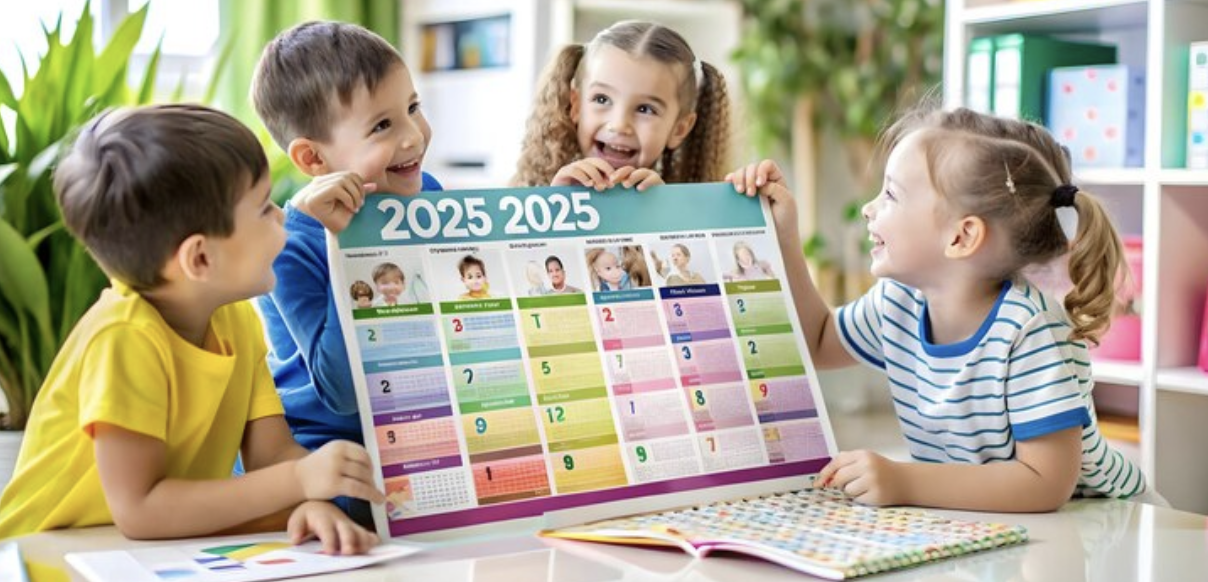
A Framework for a Balanced Year
Understanding the international school holiday calendar is more than just a logistical necessity—it’s a framework for creating balanced routines, fostering memorable family moments, and supporting a child’s academic and personal development. With planning and a keen eye on school communications, families can enjoy a smoother and more fulfilling academic year.