
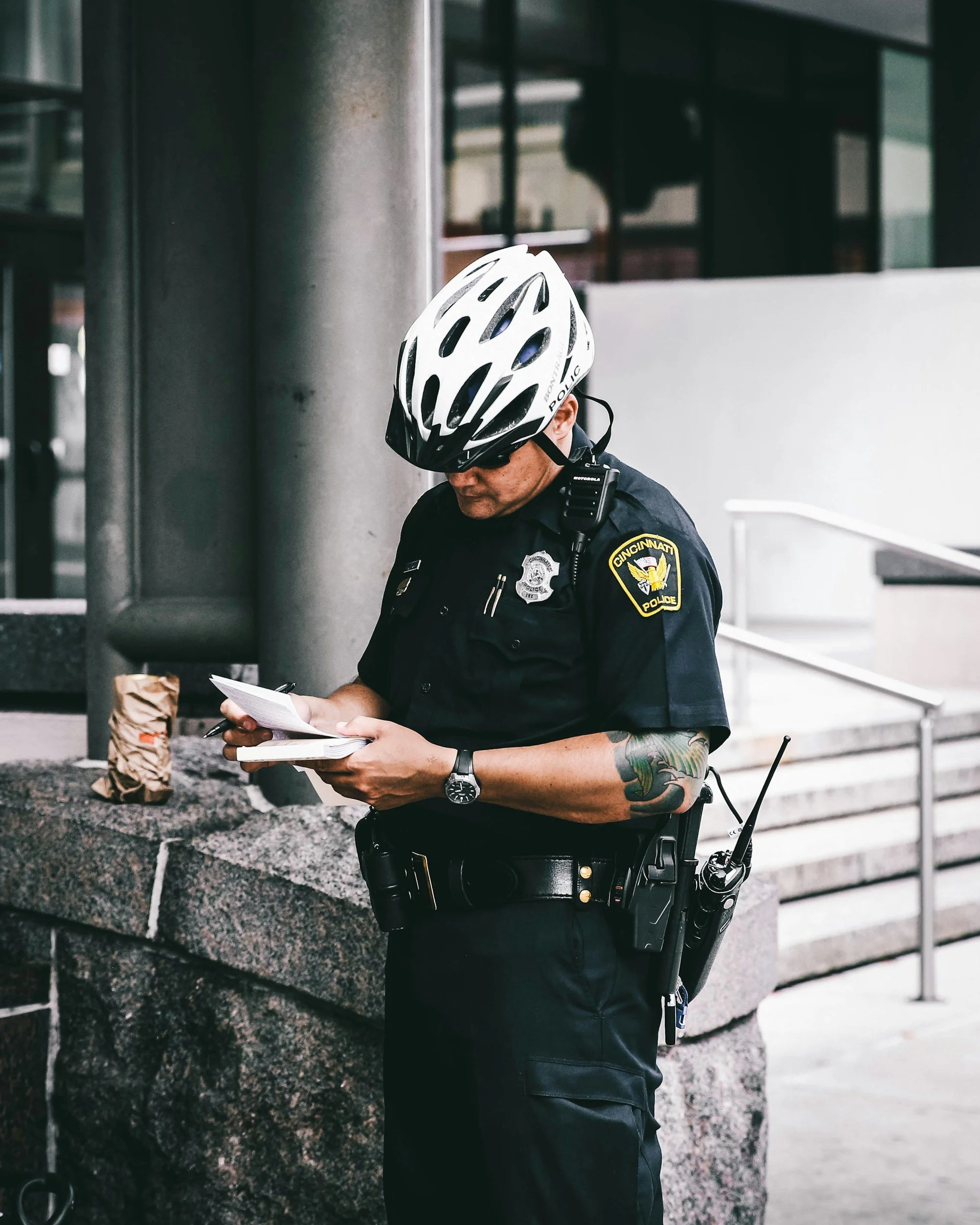
Navigating Online Systems to Request Police Reports
Dealing with the aftermath of an accident, dispute, or unexpected event often comes with paperwork that feels never-ending. One of the most important documents in these situations is a police report. It can provide key details, act as evidence in court, or support an insurance claim. Understanding how to secure a copy is critical, and while digital access has made the process more convenient, there are still rules and procedures that can be confusing. That is why knowing how to complete a police records online request in Topeka becomes an important skill, one that can save time and prevent unnecessary setbacks.
Why Police Reports Matter So Much
Police reports are more than just administrative files. They are official records that capture the facts of an incident, from statements made at the scene to the responding officer’s observations. These details can strengthen an insurance claim, establish accountability in a lawsuit, or simply give peace of mind when seeking clarity about an event. In many ways, they serve as the backbone of legal and personal matters where accuracy matters most.
Without access to this documentation, individuals can feel stuck. Insurance companies often refuse to move forward without it, and attorneys rely on these reports to build strong cases. Having the right paperwork is not just helpful, it is essential for ensuring fairness and resolution.
How Online Access Changed the Process
In the past, obtaining a police report often required in-person visits, waiting in long lines, or mailing requests that took weeks to process. Today, online systems have revolutionized the process. Many law enforcement agencies now offer web-based portals where reports can be requested and downloaded without ever leaving home.
The convenience is undeniable. People can access reports at any time of day, track request status, and avoid the frustration of manual paperwork. However, these systems are not always intuitive. Every jurisdiction has its own requirements, from identification checks to payment procedures, and understanding them ahead of time makes the experience smoother.
Who Can Request a Police Report
One of the first questions people ask is whether they are even allowed to request a copy of a police report. Generally, the individuals directly involved in the incident, their attorneys, or insurance representatives have access. In some cases, family members may also be eligible.
There are exceptions, particularly when sensitive information is involved. Ongoing investigations or cases involving minors may be restricted to protect privacy. This is where professional legal guidance proves valuable. An attorney can clarify eligibility, explain restrictions, and ensure the request is not denied due to overlooked details.
The Steps Involved in an Online Request
Every jurisdiction’s process may vary slightly, but most online systems follow a similar structure:
Find the Correct Portal
Begin by visiting the website of the police department or sheriff’s office in the area where the incident took place. Larger cities often have dedicated portals, while smaller towns may process requests through general city websites.Provide Identification
Verification is crucial. A driver’s license number, case number, or other personal details may be required to ensure the request is valid.Complete the Request Form
Online forms typically ask for the date, location, and type of incident. The more precise the details, the easier it will be for the department to locate the correct report.Pay Any Required Fees
Some departments provide free access, while others charge small administrative fees. Payments are often processed directly through the online system.Download or Wait for Delivery
Depending on availability, some reports are ready instantly, while others require approval and may take several days. Notifications are usually sent via email once the file is ready.
The Role of Attorneys in Simplifying the Process
While the steps may seem straightforward, challenges often arise. Reports might be delayed, restricted, or even denied for reasons that are not immediately clear. An attorney can step in to clarify the situation, appeal denials, and ensure the request meets all necessary requirements.
In legal cases, attorneys also know how to handle the information once it is obtained. A police report is not just a piece of paper, it is a tool that can influence negotiations, strengthen arguments, and guide decisions. Having a professional review and interpretation of the document is often just as important as obtaining it in the first place.
When Things Do Not Go Smoothly
Even with digital systems, complications can occur. Some portals may be down for maintenance, certain reports may be restricted, or the identification provided might not match what is on file. These obstacles can delay resolution at a time when efficiency is crucial.
In these situations, persistence is key. Contacting the department directly, verifying the request details, or consulting with an attorney can help move the process forward. Remember that while online systems are designed to simplify access, they are still dependent on human oversight and administrative policies.
Why Patience and Accuracy Matter
Submitting a request with incomplete or inaccurate information can result in delays or outright denial. Details such as the correct date of the incident, accurate spelling of names, and case numbers make all the difference. Double-checking before submitting is one of the easiest ways to avoid unnecessary complications.
Patience is also essential. While some reports are available almost immediately, others may take days or even weeks, especially if the incident is still under review. Having realistic expectations helps reduce frustration and prevents rushed mistakes.
The Broader Importance of Access
Access to police reports does more than resolve individual cases. It strengthens transparency between law enforcement and the community. When people can review official records, trust grows. This openness allows for accountability, ensures fairness, and reinforces the principle that public records should truly serve the public.
For individuals, the ability to obtain police reports quickly can mean faster insurance claims, smoother legal proceedings, and greater peace of mind. For society, it reflects a system where information is not hidden away but shared responsibly to serve justice and fairness.
Tips for a Smooth Experience
A few practical steps can make the online request process easier:
Always keep the incident number provided at the scene, if available.
Save confirmation emails from the online portal to track progress.
Be prepared to pay a small fee, even if unsure whether one applies.
Consider seeking legal guidance early if the report is tied to an ongoing case.
Stay patient, as delays are sometimes inevitable.
Looking Ahead
As technology continues to evolve, access to public records will likely become even more streamlined. Digital platforms are improving, and automation is reducing processing times. Still, the principles of accuracy, fairness, and accountability remain at the heart of the process.
What matters most is that consumers understand their rights and the systems available to them. By blending patience with knowledge, and seeking professional support when necessary, the process of requesting police reports can shift from intimidating to manageable.