Product Design: Shaping the Future of Consumer Goods
Consumer goods have transformed significantly over the years, evolving from mere functional items to objects that blend usability, technology, and aesthetics. At the heart of this evolution is product design, the discipline that orchestrates the look, function, and feel of each item that finds its way into the daily lives of consumers. Integrating innovation with practicality, product designers play a critical role in propelling consumer goods into the future.
The Essence of Product Design
Product design is not merely about creating an aesthetically pleasing object; it involves a deep understanding of user needs, market trends, materials, costs, and technological advancements. It is a strategic process that amalgamates art and science, intends to solve real-world problems, and enhances user experiences. Designers probe into the myriad facets of the product life cycle, from conceptualisation to production, ensuring that the final outcome is not only progressive in its domain but also viable and sustainable.
Innovation as a Driving Force
As consumer demands grow more sophisticated, innovation becomes crucial in standing out in a competitive market. Innovative design does not stop at surface-level attractiveness; it encompasses ergonomic features, technological integration, and environmentally sensitive elements that all contribute to a novel consumer experience. This continuous pursuit of innovation ensures that product design stays at the forefront of consumer goods evolution.
Understanding User-Centric Design
User-centric design is a philosophy that places the end-user at the core of the product development process. Understanding user behaviour, preferences, and challenges is vital for designing goods that resonate with them. This empathetic approach helps ensure that products not only serve their intended purpose but also elevate the quality of life of those who use them.
Technology and Product Design
Technology plays an increasingly prominent role in consumer goods, and its integration into product design is no exception. From smart home appliances to wearable tech, the convergence of robust design and advanced technology results in products that are not only functional but intelligently responsive to user needs. Designers must keep pace with emerging technological trends to create relevant and forward-thinking goods.
Sustainability Considerations
As concerns about environmental impact rise, product design must reflect a commitment to sustainability. This includes the selection of materials, considering the full lifecycle of the product, and foresight into the recycling or disposal stages. Sustainable design practices are not just ethically responsible; they are increasingly demanded by consumers who are conscious about their ecological footprint.
The Role of Collaborative Processes
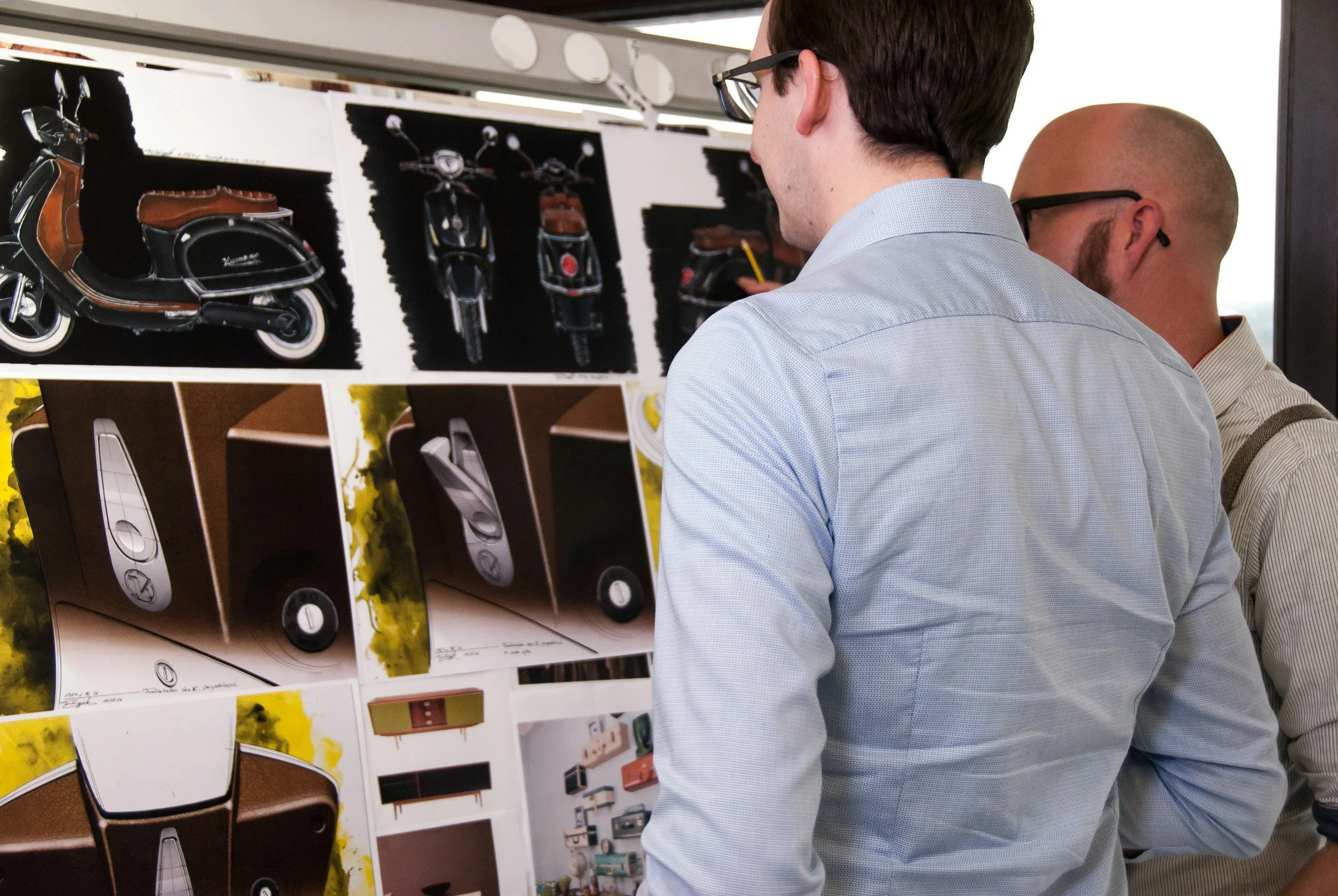
Successful product design often involves a collaborative process, bringing together experts from various fields such as engineering, marketing, and user experience. This multidisciplinary approach ensures that every aspect of the product is carefully thought out, resulting in a comprehensive and cohesive end result that stands out in the marketplace.
The Impact on Consumer Experience
The impact of thoughtful product design extends far beyond aesthetic pleasure; it significantly influences consumer experience. Products that are well-designed function seamlessly, are intuitive to use, and connect with users on an emotional level. They embody a sense of pleasure and fulfilment that is the hallmark of successful consumer goods.
Adapting to Market Shifts
Market shifts are inevitable, and the agility of product design processes can determine the success or failure of consumer goods. Adapting to these shifts by anticipating future trends and user behaviours is key to maintaining relevance in a fast-paced market. Staying ahead of the curve requires a predictive vision that is deeply ingrained in the product design philosophy.
Case Studies of Successful Product Design
Many iconic consumer goods are testament to the power of innovative product design. These range from everyday household items to cutting-edge tech gadgets. Studying these successful case studies helps in understanding what differentiates a mediocre product from an exceptional one and provides inspiration and insight for future design endeavours.
Cultivating Creativity in Design Teams
Cultivating creativity within design teams is essential for generating fresh and compelling products. Encouraging risk-taking, promoting an open-minded culture, and fostering cross-pollination of ideas are all strategies that lead to innovative outcomes. Talent management and inspirational leadership also play critical roles in nurturing the creative potential of product designers.
Measuring the Success of Product Design
Measuring the success of product design involves various metrics such as consumer satisfaction, market share, and profit margins. However, success can also be gauged by the extent to which the product has fulfilled its objectives, met user needs, and contributed to the brand's reputation. Continuous feedback loops and post-launch analyses are crucial for understanding the impact of design decisions and for driving perpetual improvement.
Looking Towards the Future
The future of consumer goods rests on the shoulders of innovative product design. As we march toward an increasingly complex world, the challenge for designers is to bring simplicity and clarity through their work. The products that will shape our future will likely be those that embody convenience, flexibility, and sustainability, all seamlessly woven together by proficient design practices.
Conclusion
Product design is an ever-evolving discipline that directly influences the trajectory of consumer goods. By embracing innovation, focusing on the user, integrating technology, valuing sustainability, and fostering collaboration, product designers are shaping the future landscape of consumer experiences. As new challenges and opportunities arise, the field of product design will continue to be a vital pillar in creating goods that not only meet the needs of today's consumers but also pave the way for those of tomorrow.