
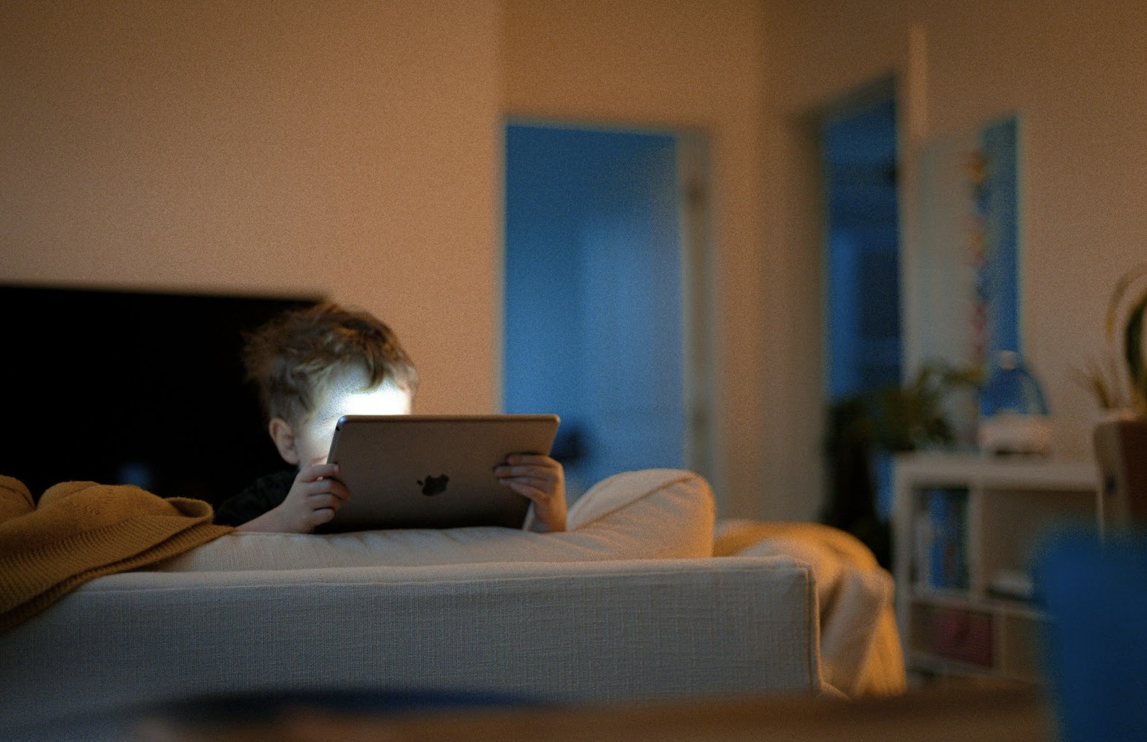
Screen Time Guidelines That Actually Make Sense
Every parent has heard the official screen time recommendations: minimal screens for toddlers, no more than two hours for older kids, and so on. Yet in a world where homework happens on computers, family members video chat across time zones, and educational apps genuinely help kids learn, these rigid rules feel increasingly disconnected from reality. Let's talk about screen time guidelines that acknowledge the nuanced role technology plays in modern family life.
Not All Screen Time Is Created Equal
This is the most important principle parents need to embrace. Twenty minutes of video chatting with grandparents is fundamentally different from twenty minutes of mindless YouTube scrolling. Educational apps where kids actively problem-solve differ from passive cartoon consumption. Creating digital art or coding projects isn't the same as doomscrolling social media. The quality and context of screen use matters more than raw minutes.
For example, watching a basketball livestream or checking out NBA odds today with older kids can even become a fun way to teach math, probability, and sports analytics—turning what might seem like casual screen time into a learning opportunity.
Create Screen-Free Zones and Times
Rather than obsessing over total daily minutes, establish clear boundaries around when and where screens don't belong. These non-negotiables create natural limits without constant monitoring and nagging.
Essential screen-free zones:
Family meals (including restaurants)
Bedrooms during sleep hours
The first and last hour of the day
Car rides under 30 minutes
Family game or movie nights (yes, even though movies are screens—shared viewing is different)
These boundaries alone dramatically reduce problematic screen use while still allowing plenty of flexibility throughout the day.
Prioritize Real-Life Engagement First
Instead of setting strict time limits, use a "priorities first" approach. Screens come after homework, physical activity, chores, face-to-face social time, and outdoor play. Some days this might leave three hours for screens; other days, maybe thirty minutes. This teaches kids to manage their time and responsibilities rather than just watching a clock count down.
Model Healthy Screen Habits
Kids won't take your rules seriously if you're constantly scrolling through your phone while telling them to get off their devices. If you want them to put phones away at dinner, you need to do the same. If you expect them to have hobbies beyond screens, they need to see you reading, exercising, or engaging in non-digital activities. Your behavior sets the standard far more than your rules.
Adjust Guidelines by Age and Maturity
A one-size-fits-all approach doesn't work because developmental needs vary dramatically. Toddlers genuinely need minimal screen exposure—their brains develop through physical exploration and human interaction. Elementary-age kids can handle more, especially when it's interactive or educational. Teenagers need practice self-regulating before they hit adulthood with unlimited access and no parental oversight.
Consider your individual child's temperament too. Does screen time energize or dysregulate them? Can they stop when asked, or does it trigger meltdowns? Adjust accordingly.
Focus on Warning Signs, Not Arbitrary Limits
Rather than enforcing strict time limits, watch for red flags that screen use is becoming problematic: Is schoolwork suffering? Have they lost interest in former hobbies? Are they irritable when asked to stop? Have face-to-face friendships diminished? These warning signs matter more than whether they logged three hours versus two.
Use Tech Tools as Allies
Parental controls, screen time tracking apps, and device-free charging stations aren't about control—they're about creating structure that supports healthy habits. Set automatic shut-off times, use apps that limit specific content, and charge all devices in a central location overnight. Technology can help manage technology.
Wrapping Up
Rigid screen time rules made sense in a simpler era, but modern families need flexible guidelines based on quality, context, and individual needs. Focus on screen-free priorities and times, model the behavior you want to see, and watch for warning signs rather than obsessing over minutes. Technology isn't going anywhere—teaching kids to have a healthy relationship with it is one of the most important skills you can give them. Trust your instincts, adjust as needed, and remember that imperfect balance is still better than none at all.