Shoes for Diabetic Feet: Combining Style and Functionality
For people with diabetes, taking care of their health goes well beyond just keeping an eye on blood sugar levels or sticking to a healthy diet. One important but often overlooked part of diabetic care is making sure to protect your feet properly. Diabetes can lead to various foot issues that need regular care, and wearing the wrong shoes can easily escalate small problems into significant health risks.
For a long time, diabetic footwear was seen mainly as just functional—bulky, unappealing, and tough to mix with a fashionable wardrobe. Luckily, thanks to improvements in shoe design and materials, we’re now in a time where diabetic footwear can be both stylish and functional. These days, people with diabetes can find stylish shoes that not only look great but also keep their feet safe and lower the chances of complications.
In this detailed guide, we’ll dive into why diabetic footwear is essential, what makes it unique, and how contemporary designs blend medical benefits with everyday style.
Why Footwear Is Crucial for People with Diabetes
Diabetes can impact various systems in the body, but the feet are definitely one of the most at-risk areas. As time goes on, high blood sugar levels can harm the nerves, leading to peripheral neuropathy, and affect the blood vessels, resulting in peripheral vascular disease. Both of these issues are really important for keeping your feet healthy. This mix of reduced feeling and restricted blood flow creates a perfect environment for various foot issues to arise.
When nerves get damaged, people might not feel pain, changes in temperature, or even injuries to their feet anymore. Because of this, small cuts, blisters, or pressure sores might be overlooked and not get the care they need. Poor circulation can slow down healing, which makes these small wounds more likely to get infected. If infections aren't treated, they can get really serious and might turn into ulcers, gangrene, or even result in amputations if they're not handled correctly.
Footwear is really important for avoiding these complications. Shoes for Diabetic feet that are well-designed help keep your feet safe from friction, lessen pressure points, and ensure weight is distributed properly, which can lower the risk of injuries. They act as the initial barrier to prevent small wounds from turning into serious health issues.
The Historical Problem: The Trade-off Between Style and Protection
In the past, diabetic shoes were all about function. Lots of the early designs looked more like orthopedic devices than regular shoes. The chunky soles, baggy designs, and sometimes unappealing look kept a lot of people from wearing them regularly. It's no surprise that patients often chose trendy shoes that didn't fit well and lacked proper support, putting themselves at greater risk.
This brought up a tough question: Should you put safety first, even if it means sacrificing your personal style and confidence? For a lot of folks, how they feel about themselves and their looks really matters for their mental health. Being stuck in unappealing shoes can definitely affect their mindset.
Luckily, the footwear industry saw this gap and started putting money into research, design, and technology to fill it. Today’s diabetic shoes blend medical-grade protection with stylish design, helping people feel both confident and comfortable while taking care of their health.
Key Medical Features That Make Diabetic Shoes Different
To get why diabetic shoes work so well, it’s key to recognize the unique features that come with each pair. Every design element has a unique role in safeguarding delicate feet.
Diabetic shoes are designed with added depth and width. This design takes into account foot swelling, issues like bunions or hammertoes, and provides space for custom orthotics or insoles. The extra interior space helps to minimize friction and ensures a comfy fit without cramping your foot.
The toe box usually has a wider and higher design compared to regular shoes. This helps avoid pressure on the toes and lowers the chances of getting blisters, ulcers, or calluses that can come from rubbing against tight surfaces.
Diabetic footwear usually features a seamless design and plenty of padding inside. Seams that might seem harmless to many can actually lead to irritation or even open wounds for those with neuropathy. Smooth interiors help avoid friction points, and soft linings lower the risk of getting sores.
The cushioned midsoles and outsoles really help absorb shock with each step, reducing strain on your joints and stopping pressure from building up in certain spots on your foot. This helps stop skin issues and provides comfort for those experiencing ongoing foot pain.
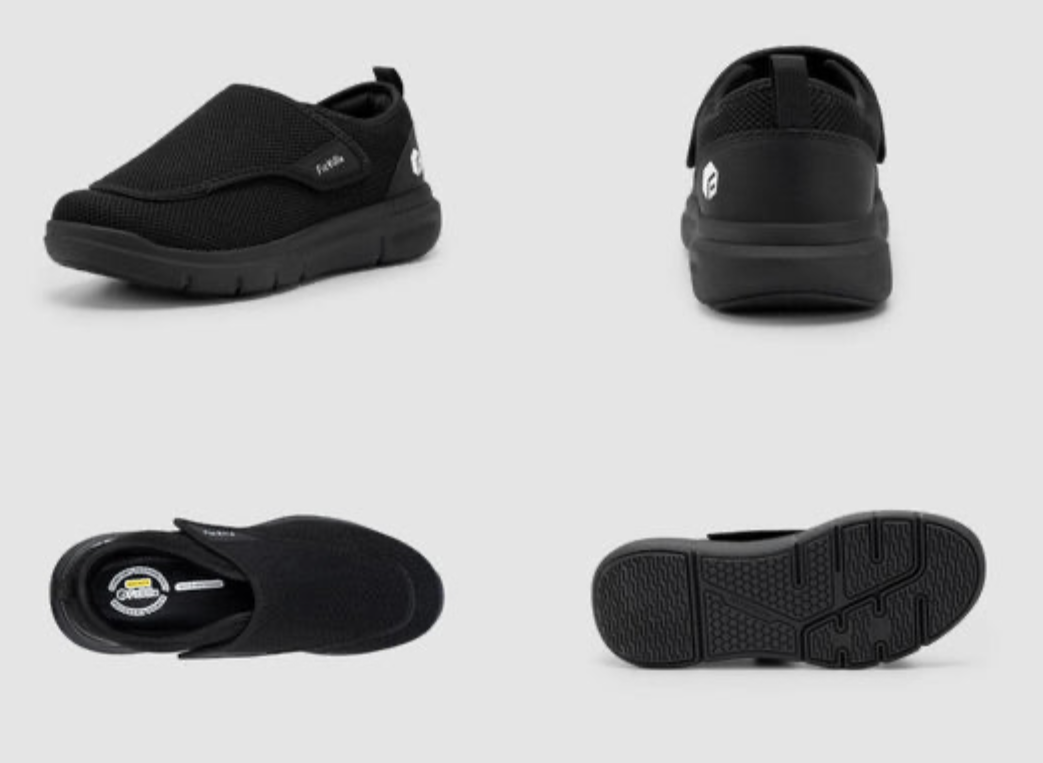
With adjustable closures like Velcro straps or elastic laces, wearers can easily tweak the fit to accommodate any swelling that might happen during the day. This keeps you comfortable and protected no matter how your foot size changes.
Finally, a lot of diabetic shoes come with non-slip outsoles that enhance stability and help lower the chances of falls, especially for seniors or those who have trouble with balance.
Who Can Benefit from Diabetic Shoes?
People with diabetes can really benefit from specialized footwear, but some individuals are at greater risk and will see the most advantages from wearing diabetic shoes regularly.
People with peripheral neuropathy need extra protection because they might not feel injuries or pressure points as well. If you don’t get enough feedback, small wounds might slip under the radar for days or even weeks.
Individuals with foot deformities like bunions, hammertoes, or flat feet really appreciate the added space and flexibility that diabetic shoes provide. These structural challenges often lead to extra pressure points that regular shoes just can't handle.
Patients who have peripheral vascular disease, which limits blood flow to the legs and feet, need diabetic shoes to help lower the risk of injuries. When circulation is limited, it can really slow down the healing process, which is why preventive care is so important.
People dealing with frequent foot swelling often find that diabetic shoes with extra depth and adjustable closures are really helpful for staying comfortable all day long.
Modern Innovations: Where Style Meets Functionality
The stigma that used to be associated with diabetic shoes is fading away fast, all thanks to some impressive advancements in design and technology. Today’s diabetic footwear brands have styles that look just like regular shoes, letting people keep their fashion sense while also taking care of their health.
One of the biggest changes is in the materials. Nowadays, we’re seeing a shift to lightweight synthetic fabrics, breathable mesh, soft leathers, and moisture-wicking linings, moving away from those heavy, rigid materials that used to be the norm. These modern materials are great for managing temperature and moisture, all while making shoes lighter and more flexible.
Footwear designers are getting creative with their styles, making diabetic shoes that look like sneakers, dress shoes, sandals, and even athletic shoes. This allows individuals to find options suitable for work, casual outings, or formal occasions without sacrificing medical-grade protection.
Color palettes and design aesthetics have definitely changed over time. These days, diabetic shoes are available in a great range of colors, textures, and stylish designs that attract both younger and older people. You can totally create a whole wardrobe of stylish diabetic footwear that fits right into any lifestyle.
The Role of Custom Orthotics in Diabetic Footwear
Even though a lot of ready-made diabetic shoes have great insoles, some people might need extra support that fits their unique foot shape or health issues. Custom orthotics, created by podiatrists or orthotists, are frequently paired with diabetic footwear to offer specific relief and improved stability.
Custom inserts can help with issues like uneven weight distribution, whether you have high or low arches, heel pain, or problems with joint alignment. The added depth in diabetic shoes makes it easy for these orthotics to fit comfortably, ensuring they don’t compress the foot or affect circulation.
Often, pairing diabetic shoes with custom orthotics offers a great solution that enhances comfort and protection, especially for those facing complicated foot health challenges.
How Proper Footwear Supports Active Living for Diabetics
One of the key benefits of diabetic footwear, which often gets overlooked, is how it helps support an active lifestyle. Staying active is really important for keeping your blood sugar in check, managing your weight, and boosting your heart health. Still, a lot of people with diabetes steer clear of exercise because of ongoing foot pain, feeling unsteady, or worrying about getting hurt.
Diabetic shoes help make walking, fitness activities, and even recreational sports safer and more enjoyable by reducing pressure points and offering better balance and support. Being able to participate confidently in physical activity brings lasting benefits that go far beyond just the physical aspect—it positively impacts overall health, emotional well-being, and independence.
Older adults and seniors really find that diabetic shoes provide them with a lot of stability. With non-slip soles, cushioned support, and improved foot alignment, the risk of falls and injuries is minimized. This helps older adults keep their mobility and confidence as they grow older.
The Psychological Impact: Looking Good While Staying Safe
For a long time, diabetics faced a tough choice between staying stylish and ensuring their safety. Wearing unattractive or orthopedic-looking shoes can really impact how someone feels about themselves, making them feel older or more aware of their condition.
Modern diabetic shoes really take away that emotional weight. Today's designs let people feel stylish and fashionable while still getting the protection they need. When folks feel good about their appearance, they're more inclined to wear their diabetic shoes regularly, which is crucial for avoiding complications.
Stylish diabetic shoes really enhance social outings, work environments, and special events, making them more comfortable and allowing for greater participation in everyday life.
Seeking Professional Guidance When Selecting Diabetic Shoes
Choosing the right diabetic shoe is often a very personal journey. Everyone's feet are unique, and medical conditions can evolve over time. So, it makes sense to chat with a podiatrist or a certified shoe fitter when you're looking into diabetic footwear options.
A professional can look at more than just foot size; they can also evaluate arch height, pressure points, gait patterns, and joint stability. They might suggest certain brands, styles, or custom orthotics to tackle specific medical issues while ensuring comfort is maximized.
Lots of insurance plans actually cover the cost of diabetic shoes and inserts if you have a prescription from your doctor. This really helps patients get the high-quality footwear that fits their needs.
Style and Protection Can Coexist
In the past, people with diabetes had to deal with a tough decision: focus on foot health or keep their personal style intact. Thanks to years of innovation, that trade-off is a thing of the past. Today's diabetic shoes combine style and practicality, featuring appealing designs that safeguard the feet, maintain mobility, and promote long-term health.
If you're looking for shoes for work, formal events, outdoor activities, or just everyday wear, modern diabetic footwear has got you covered for every occasion while still keeping your medical needs in mind. When you have the right pair, diabetics can stroll through life with confidence, knowing their feet are safe, comfy, and looking good—one step at a time.