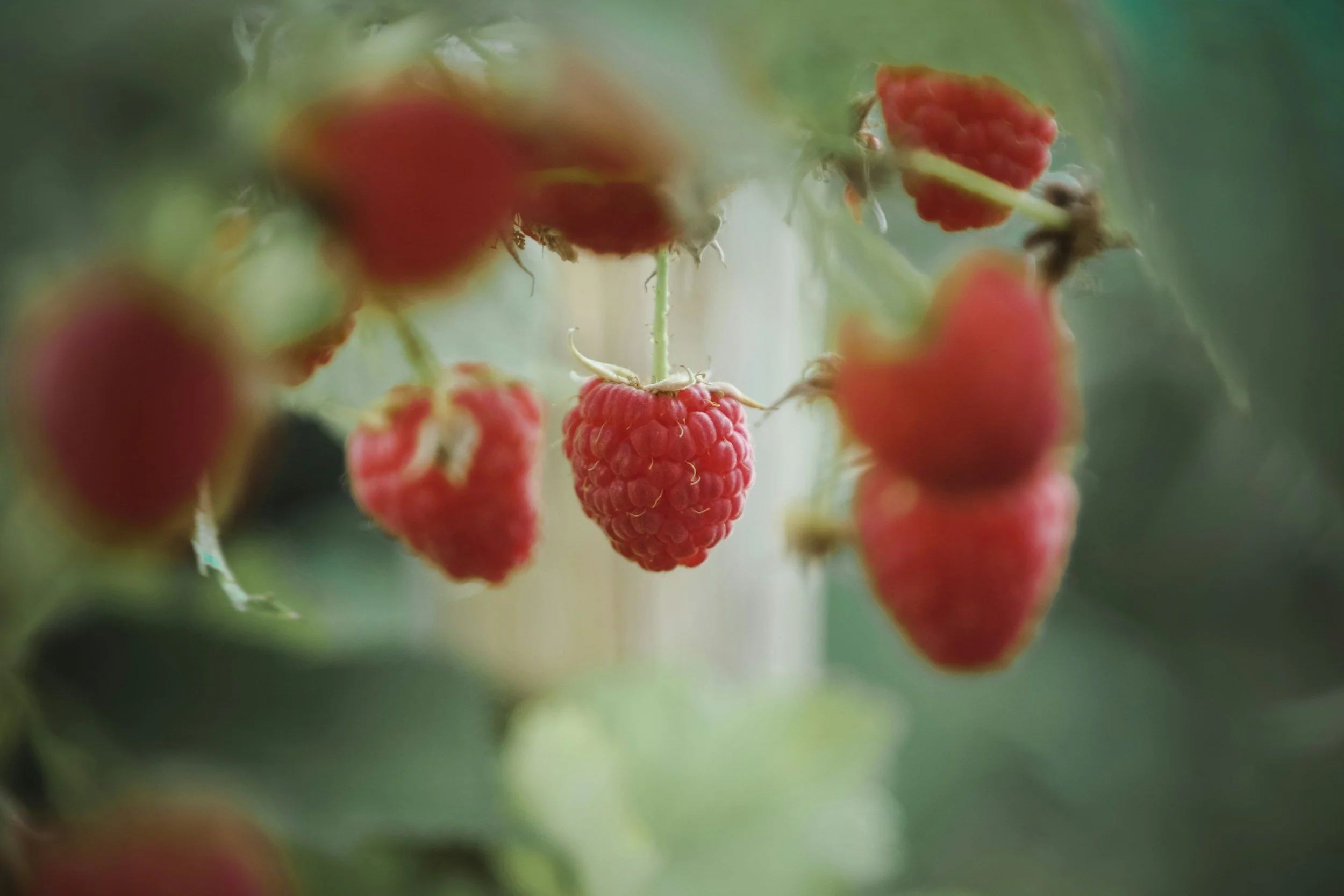
Top Tips for Growing Lush Raspberry Plants in Your Backyard
Growing your own raspberries is a rewarding endeavor that brings bursts of sweet, tangy flavor right to your backyard. Whether you’re a seasoned gardener or a beginner, cultivating lush raspberry plants is achievable with the right knowledge and care. Raspberries are versatile, thriving in gardens or containers, and with a bit of effort, you can enjoy bountiful harvests. Here are my top tips for growing vibrant, healthy raspberry plants that will have your neighbors envious of your berry patch.
Choose the Right Raspberry Variety
The first step to lush raspberry plants is selecting the right variety for your garden. Raspberries come in two main types: summer-fruiting and autumn-fruiting (primocane). Summer-fruiting varieties, like ‘Glen Ample’ or ‘Malling Jewel,’ produce heavy yields in mid-summer, while autumn-fruiting types, such as ‘Autumn Bliss’ or ‘Joan J,’ bear fruit from late summer to early fall. According to Pomona Fruits, ‘Joan J’ is a standout for its spine-free canes and berries that are 30% larger than ‘Autumn Bliss,’ making it ideal for easy picking and eating fresh.
Consider your climate and space. For smaller gardens or patios, a dwarf variety like ‘Yummy,’ which grows to just 45cm, is perfect for pots. If you’re in a wetter region, opt for varieties with good disease resistance, such as ‘Glen Carron,’ which resists spur blight and raspberry aphid. Check the plant’s description to ensure it suits your local conditions and your taste preferences—some berries are sweeter, others more aromatic.
Prepare the Perfect Planting Site
Raspberries thrive in a sunny, sheltered spot with well-drained soil. They don’t like waterlogged roots, so if your soil is heavy, consider planting in a raised bed. Pomona Fruits recommends clearing the site of weeds, as these compete for nutrients and can harbor diseases. Dig in plenty of organic matter, like well-rotted compost, to improve soil fertility and structure. Adding a slow-release fertilizer, such as blood, fish, and bone, gives your plants a nutrient boost.
For planting, space raspberry canes 75cm (2ft 6in) apart, ensuring the roots are just below the surface. Pomona Fruits advises cutting back bare-root canes to a bud about 15-22cm (6-9 inches) from the ground after planting to encourage strong growth. Using a product like Rootgrow, which contains mycorrhizal fungi, can enhance root development by up to 700 times, helping plants establish quickly and reducing failure risk.
Support Your Raspberries
Raspberries need support to grow upright and produce healthy fruit. Autumn-fruiting varieties, which are cut back annually, can use a simple wire framework, while summer-fruiting types require a sturdier structure due to their longer-lived canes. The Gripple Wire Tensioning Kit, recommended by Pomona Fruits, is a rust-free, easy-to-use system that supports up to 100kg, perfect for raspberries. Install it along a fence or posts to keep canes tidy and accessible for picking.
For smaller setups, like the dwarf ‘Yummy’ variety, a single stake or a pot with built-in support may suffice. Proper support not only prevents wind damage but also improves air circulation, reducing the risk of fungal diseases.
Water and Feed Consistently
Raspberries need consistent moisture, especially during fruiting, but avoid overwatering, as soggy soil can lead to root rot. Water deeply once or twice a week, depending on weather, ensuring the soil stays moist but not waterlogged. Mulching with organic matter, like compost or bark, helps retain moisture and suppress weeds.
Feed your plants with a balanced fertilizer in early spring to support growth. Pomona Fruits suggests using a product like Empathy Afterplant Grow Your Own Feed, which supports native mycorrhizal fungi and boosts fruit production. Avoid over-fertilizing, as this can lead to excessive leaf growth at the expense of berries.
Prune for Productivity
Pruning is key to lush, productive raspberry plants. For summer-fruiting raspberries, cut back the old, fruited canes to ground level after harvest, leaving new canes to fruit next year. For autumn-fruiting varieties, like ‘Polka’ or ‘Enrosadira,’ cut all canes to the ground in late winter or early spring. This encourages vigorous new growth and heavy fruiting.
Regularly remove weak or damaged canes to maintain plant health. Spine-free varieties, like ‘Glen Ample’ or ‘Joan J,’ make pruning and picking more pleasant. Always use clean, sharp tools to avoid spreading disease.
Protect Against Pests and Diseases
Raspberries can attract pests like raspberry aphids or be affected by diseases like spur blight or root rot. Choosing resistant varieties, such as ‘Glen Carron’ or ‘Enrosadira,’ minimizes these risks. Pomona Fruits highlights that ‘Autumn Bliss’ has good resistance to root rot, making it reliable in challenging conditions.
To deter pests, consider using natural solutions like Sork Anti-Mole Bulbs, which repel moles and field mice without chemicals. For insect control, apply Insect Barrier Glue to canes or pots to stop crawling pests like ants or vine weevils. Regular inspection and good air circulation from proper spacing and support also help keep diseases at bay.
Harvest and Enjoy
Harvest raspberries when they’re fully ripe for the best flavor—usually when they’re deep in color and come off the cane easily. ‘Polka,’ a National Fruit Show winner, is noted for its exceptionally large, aromatic berries, perfect for fresh eating or freezing. Pick regularly to encourage continuous fruiting, especially with autumn varieties that can produce from mid-July to October.
Store berries in the fridge for a few days or freeze them for longer-term use. ‘Joan J’ berries freeze exceptionally well, making them great for winter smoothies or jams.
Final Thoughts
Growing lush strawberry plants in your backyard is a delightful way to enjoy fresh, flavorful fruit. By choosing the right variety, preparing a nutrient-rich site, providing support, and maintaining consistent care, you’ll be rewarded with abundant harvests. Whether you’re savoring the intense flavor of ‘Glencoe’ purple raspberries or the large, sweet berries of ‘Paris,’ the joy of homegrown raspberries is unmatched. Follow these tips, and with a little patience, your backyard will become a berry haven.
For more detailed guidance, check out resources like the RHS Growing Fruit book recommended by Pomona Fruits, and don’t hesitate to experiment with different varieties to find your perfect match. Happy gardening!