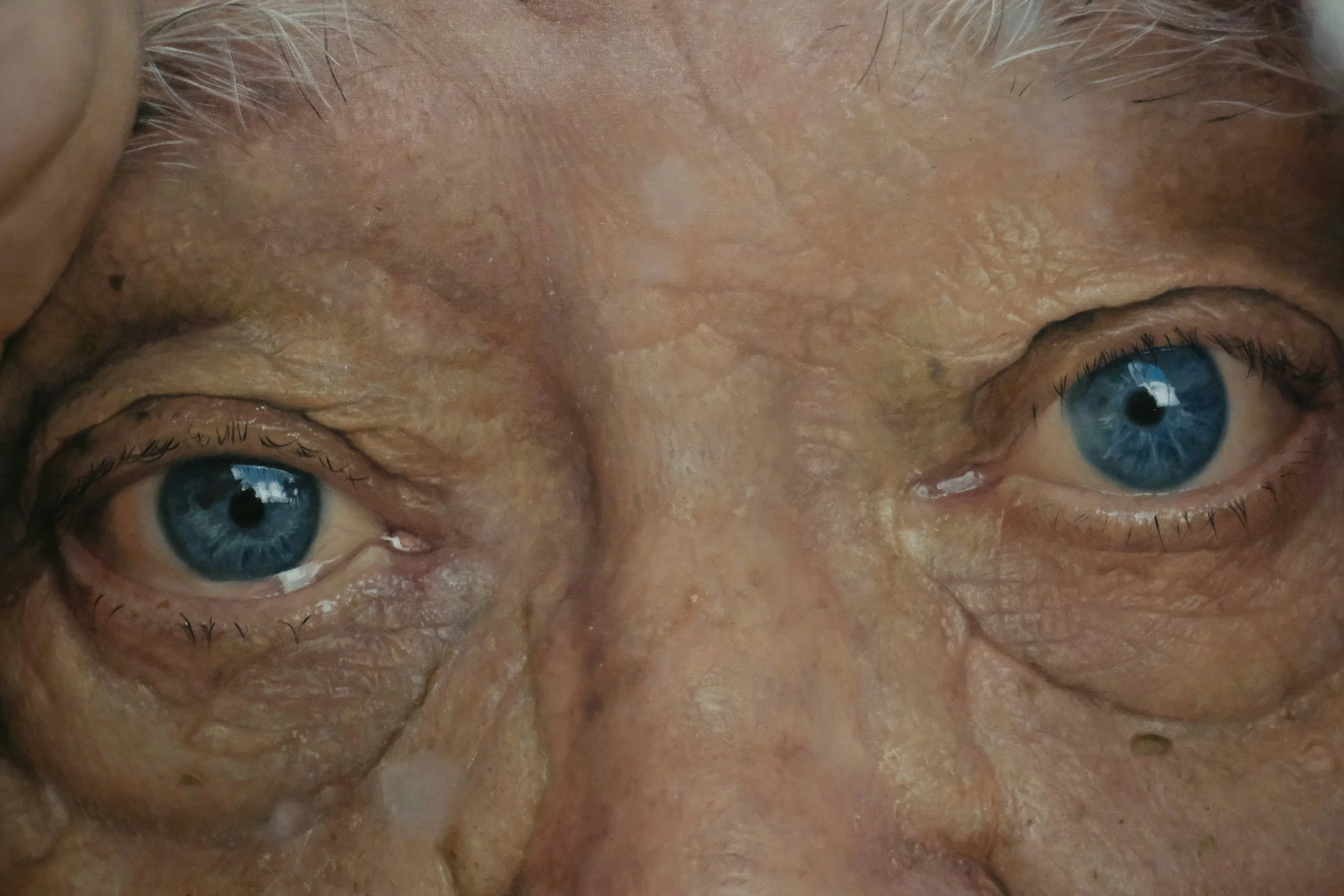
Understanding Cataracts and Their Impact on Older Adults
Imagine waking up one morning and finding that the world looks dim, as though you are peering through a foggy window. For many older adults, this is the daily reality caused by cataracts. Many people over the age of 40 are diagnosed with this condition.
Cataracts can interfere with daily life, affect confidence, and reduce independence. Yet, despite their impact, cataracts often go unnoticed until vision becomes more impaired. Keep reading to uncover all the details.
What are Cataracts?
Cataracts develop when the eye's natural lens becomes cloudy. The lens, which rests behind the iris and pupil, is designed to focus light onto the retina so that the brain can create clear images. When cataracts form, light cannot pass through in the same way, and vision becomes blurry, distorted, or faded.
The changes often occur slowly, which is why many people fail to notice them until the condition begins to interfere with everyday tasks. Common signs include cloudy or blurry vision, difficulty seeing at night, glare from bright lights, colors that look faded or yellowed, and the need for frequent changes in glasses prescriptions.
How Cataracts Affect Daily Life
The effects of cataracts go beyond blurry vision. Everyday tasks such as cooking, reading, and driving can become challenging. This loss of independence can weigh heavily on self-esteem.
For older adults, the fear of tripping or falling is very real, as impaired vision increases the risk of accidents. Over time, the changes can also affect emotional well-being.
Many older adults with cataracts limit their mobility and withdraw from social activities because they no longer feel safe or confident. This isolation can contribute to feelings of depression or anxiety. Addressing cataracts early can prevent these challenges from taking hold.
Treatment for Cataracts
The good news is that cataracts can be treated effectively. The most common treatment is cataract surgery, an outpatient procedure that removes the cloudy lens and replaces it with a clear artificial lens. For most patients, the improvement in vision is noticeable within days.
Cataract surgery is performed under local anesthesia, which keeps the process safe and relatively painless. Recovery is often smooth, with many people resuming daily routines shortly after the procedure.
Regular eye exams play an important role in monitoring cataracts. Even if symptoms feel minor, ongoing checkups help track the condition and ensure timely treatment.
Protecting Eye Health
While surgery offers an effective solution, lifestyle choices can help support better vision and slow the progression of cataracts. Eating a healthy diet rich in leafy greens, citrus fruits, and foods high in omega-3 fatty acids provides essential nutrients for eye health. Limiting smoking and alcohol intake also reduces risk.
For those wanting to learn more about cataracts and seniors, these habits can make a meaningful difference in protecting long-term vision. Protecting eyes from the sun is equally important. Wearing sunglasses with UV protection shields lenses from harmful rays.
For those who spend long hours at a computer or reading, reducing screen glare and taking breaks can lessen strain. Hydration also supports overall eye health, making it a simple yet valuable habit.
Moving Forward With Clearer Vision
Cataracts may be common, but they do not have to define life for older adults. Understanding the symptoms and seeking treatment early can help preserve independence, safety, and confidence. By combining medical care with healthy daily habits, seniors can continue to enjoy activities and stay connected with loved ones.
Cataracts may cloud vision, but with the right care, a clear and brighter future is always within reach. Don't stop here. Explore our blog for more expert advice and ideas!