
Why Bat Removal Requires More Than Just Timing: Understanding Legal and Ecological Challenges
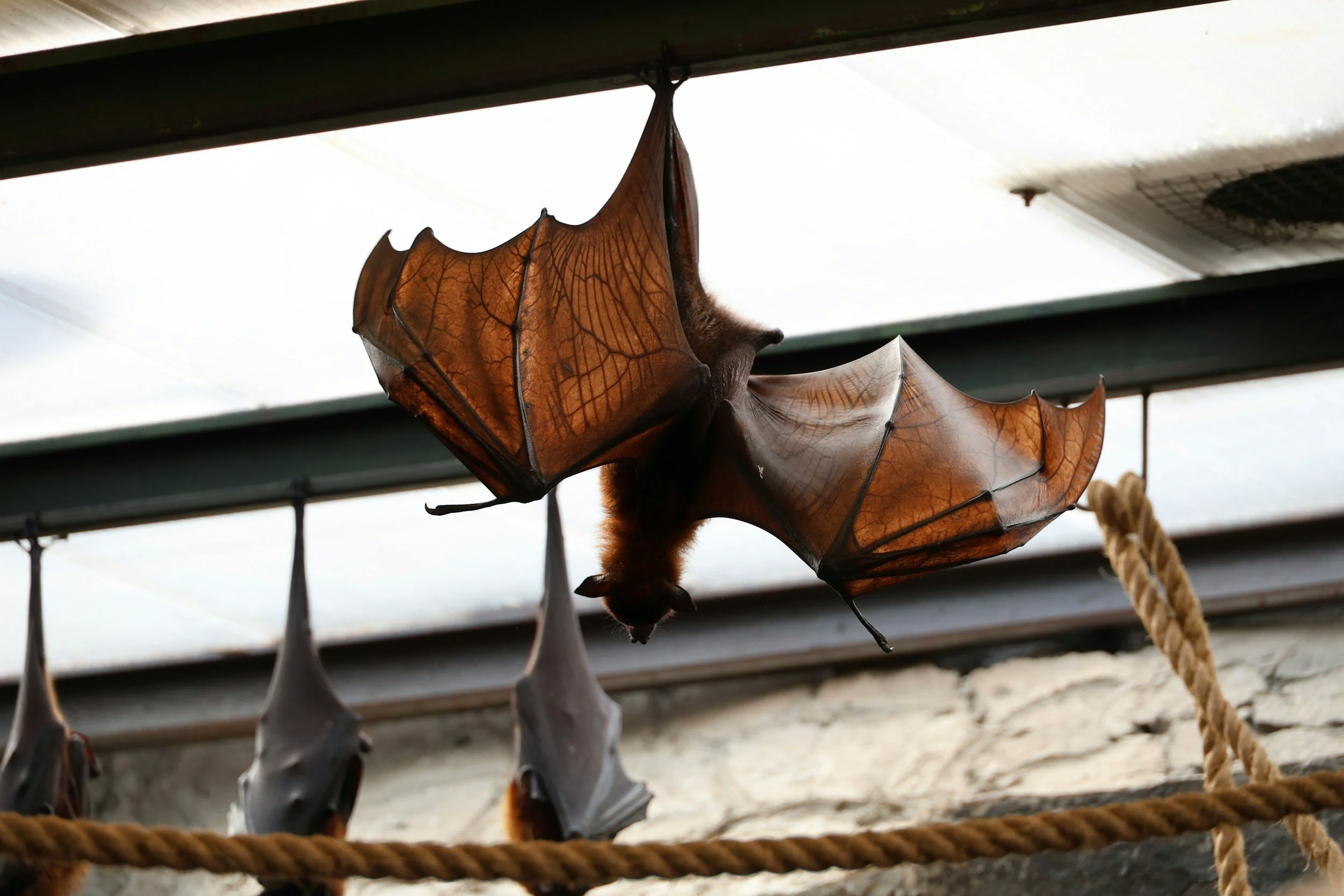
Bats are often misunderstood creatures. While many people associate them with dark attics and eerie nighttime flights, the truth is, bats play a vital role in maintaining ecological balance. They pollinate plants, control insect populations, and help regulate ecosystems in ways most people never notice. But when bats take up residence in your home or business, the situation becomes complicated—especially because bat removal is not as simple as it may seem.
Many states have strict laws protecting bats due to their declining populations, which means you can’t just block their exit or evict them on a whim. Doing so can violate wildlife regulations and cause unintended harm to both the animals and your property. To responsibly and effectively manage a bat problem, it’s crucial to understand the legal, seasonal, and ecological nuances involved.
Why Bats Choose Buildings
Bats are constantly in search of shelter that offers warmth, safety, and seclusion. Attics, chimneys, and wall voids often mimic the caves and hollow trees where bats naturally roost. Human homes provide consistent temperatures, reduced predator threats, and reliable protection from the elements—making them an ideal substitute for natural habitats that have become scarce due to deforestation and urban development.
During the warmer months, female bats seek out safe nesting spots to give birth and care for their pups. A warm attic or high wall cavity becomes a temporary maternity ward—and one that you can’t legally disrupt without careful planning.
Timing Is Everything—But It’s Not the Only Thing
One of the most important aspects of bat removal is knowing when it can legally and ethically be done. Many regions enforce "blackout periods" for exclusion, typically during the late spring and summer months. These blackout windows are designed to protect maternity colonies while young bats are still flightless and entirely dependent on their mothers.
Removing adult bats during this time risks trapping helpless pups inside. These young bats cannot survive without their mothers, which means they will likely die in inaccessible parts of the structure—leading to foul odors, health hazards, and, in some cases, legal penalties.
Therefore, the ideal time for bat removal usually falls in early spring or early autumn, when bats are either migrating or have not yet given birth. But even within this time frame, exclusion methods must be strategic and humane to comply with both local regulations and ecological responsibility.
Understanding Exclusion Over Elimination
Bat removal doesn’t involve traps or poisons. Instead, the primary method used is called exclusion—a process that allows bats to leave a roosting site but prevents them from re-entering. This is usually achieved through specially designed one-way exit valves or tubes installed over known entry points. Once the bats have exited for their nightly feeding, they are unable to return.
After a period of monitoring, and once all bats are confirmed to be out, the structure can then be sealed permanently.
This process must be thorough and precise. Missing even one small gap or entryway can lead to re-infestation. That’s why exclusion is best handled by professionals who understand bat behavior, access patterns, and building structures in detail.
Wildlife-focused companies like Boone Wildlife and Pest Solutions are trained to perform these tasks in compliance with state and federal wildlife guidelines.
Legal Framework and Protected Status
Many species of bats are classified as protected under state or federal conservation laws. In some cases, these protections are in place because of diseases like white-nose syndrome, a fungal infection that has decimated bat populations across North America.
As a result, harming bats or disturbing their roosts can lead to legal consequences, including fines or citations. Regulations vary by region, but most require permits for removal during protected periods and mandate the use of exclusion-only techniques.
Homeowners and property managers often learn the hard way that well-intentioned DIY efforts—like sealing vents or installing mesh screens—can result in illegal obstruction or unintentional harm to bats.
Health Concerns and Misconceptions
While bats are beneficial to the ecosystem, their presence in a human-occupied structure does pose health risks. Bat droppings, also known as guano, can harbor spores that cause histoplasmosis—a respiratory condition triggered by airborne fungi. In enclosed or poorly ventilated spaces, this becomes a serious concern.
Additionally, though rare, bats can carry rabies. This risk makes physical contact or improper handling especially dangerous. However, it's important to note that bats are not aggressive and will not attack unless cornered or provoked.
Because of these risks, professional bat removal in Paw Paw is always the safest and most effective path. Pest control specialists understand how to evaluate exposure levels and safely clean affected areas, minimizing health threats while protecting the integrity of the building.
Habitat Conservation vs. Human Safety
Bat removal sits at the intersection of wildlife conservation and human comfort. On one hand, these creatures are essential to our environment, contributing to pest control and plant health. On the other, their presence in attics and crawl spaces can lead to structural damage, health risks, and significant inconvenience.
The solution is not eradication but respectful exclusion paired with habitat restoration. In many cases, professionals recommend installing bat houses in safe outdoor locations after exclusion. These structures give bats a place to relocate without threatening the home.
This approach helps maintain bat populations while ensuring that homes and businesses remain safe and pest-free. It's a win-win for both parties and reflects a broader understanding of coexistence with nature.
Prevention Starts With Awareness
The best way to avoid a bat infestation is through prevention. Regular inspections of attics, vents, eaves, and chimneys can help identify vulnerabilities before bats discover them. Sealing small cracks and using wildlife-proof materials for attic screens or roof vents adds an extra layer of protection.
Preventive pest control isn’t about waiting for an issue—it’s about identifying high-risk areas and fortifying them in advance. Bat behavior is predictable in terms of seasons and patterns, which makes proactive measures highly effective.
Companies that specialize in both pest control and wildlife management, like Boone Wildlife and Pest Solutions, are equipped to guide homeowners through this process with sensitivity and legal compliance.
Final Thoughts
Bat removal isn’t just about timing—it’s about awareness, legality, and ecological balance. What may appear to be a simple pest issue is actually a complex situation involving protected species, seasonal behavior, and public health considerations.
Attempting bat exclusion without a full understanding of the laws and risks involved can lead to unintended consequences. That’s why expert guidance is essential. Responsible bat management respects both the needs of humans and the role these creatures play in the ecosystem.
By understanding the full picture—timing, exclusion techniques, legal requirements, and long-term prevention—you can protect your home and contribute to broader conservation efforts in the process.