Choosing the Right Solo Shelter for Outdoor Adventures
Planning a solo trip into the wild?
The right shelter can make all the difference. Whether it's a quiet night in the forest or a windy ridge near the mountains, staying protected and comfortable matters. Some shelters are light and easy to carry.
Others offer more space or stronger weather protection. The type of trip, season, and location all play a role in the best choice. Don't let the wrong shelter slow things down or cut adventures short.
Get ready to explore with confidence by finding the solo shelter that fits just right. Keep reading to find the perfect match!
Think About the Weather
Rain, wind, snow, or sun- every outdoor trip brings its own kind of weather. Picking a shelter that fits the conditions helps keep things dry, warm, and safe through the night. A waterproof outer layer is key for rain.
For windy spots, a low shape helps reduce stress from strong gusts. In hot places, vents or breathable fabric keep the air flowing. Colder nights call for a design that keeps warmth in without trapping too much moisture.
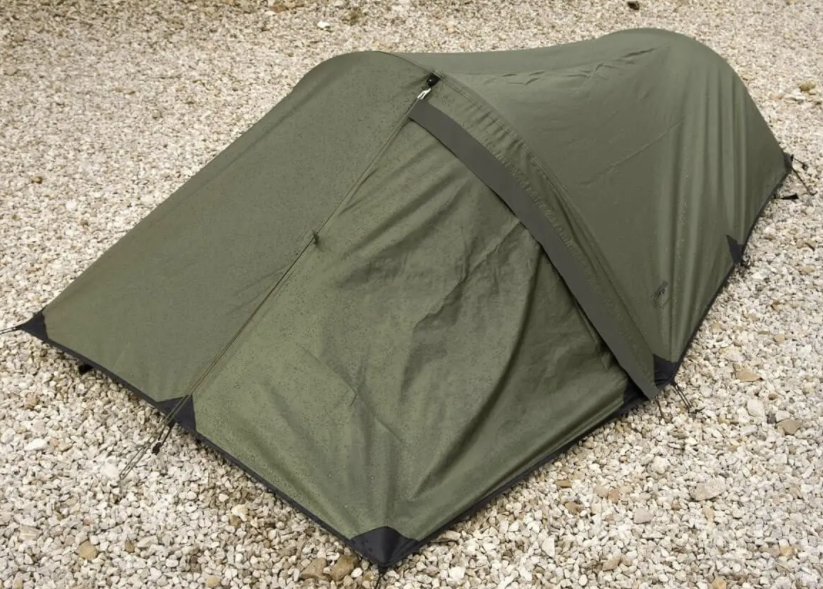
Always check how well a shelter handles the elements before heading out. For those looking for a strong and weather-ready option, the Snugpak ionosphere is a trusted choice for handling tough outdoor conditions without adding bulk.
Check the Weight
Every ounce counts on a solo trip, especially if hiking long distances or climbing steep trails. A lighter shelter means less strain on the body and more energy for the adventure ahead.
It's important to balance weight with comfort- some ultralight options may save space but offer less protection or room to move. Materials like silnylon or Dyneema help cut down on bulk without giving up strength.
Keep in mind that poles, stakes, and stuff sacks all add to the total load. Choosing a shelter that packs light but still holds up through the night makes travel easier and more enjoyable. A smart pick keeps the backpack light and the journey steady from start to finish.
Look at the Size
Space matters, even on a solo trip. A shelter should have enough room to lie down, turn over, and store a few key items. Too small, and rest becomes a struggle. Too big, and it may take up more ground or add weight.
Look at both the floor area and the peak height- some shelters feel tight even with decent length. If bringing gear inside, consider if there's room to keep it dry and close.
Also, check if the shape gives enough headroom to sit up. Comfort after a long day can depend on just a few extra inches. Picking the right size helps avoid a cramped night and keeps outdoor rest much more peaceful.
Choose Easy Setup
Long hikes, rough weather, or fading light can make setup time feel even harder. A solo shelter should go up fast and with little effort. Fewer parts, clear instructions, and a simple design help avoid stress at the end of the day.
Freestanding models may offer quicker setup, while others may need stakes or extra support. Practicing at home helps build confidence before the real trip. Easy setup also means faster breakdown in the morning, saving time for the trail ahead.
Fumbling with poles or tight sleeves isn't fun after a long trek. Choosing a shelter that works well without hassle makes the whole adventure smoother and more enjoyable from start to finish.
Think About Bug Protection
Mosquitoes, flies, and ticks can turn a quiet night into a restless one. A solo shelter should protect against bugs, especially in warm or humid areas. Look for shelters with built-in mesh panels or full enclosures that keep insects out but still let air flow through.
Zippers should close fully without gaps, and seams should be tight. Even small holes can let bugs sneak in. Some setups need a separate bug net, so check what's included before packing.
A peaceful night starts with fewer bites and no buzzing in your ears. With the right bug protection, it's easier to sleep well, stay focused, and feel comfortable no matter where the trail leads.
Know the Shelter Type
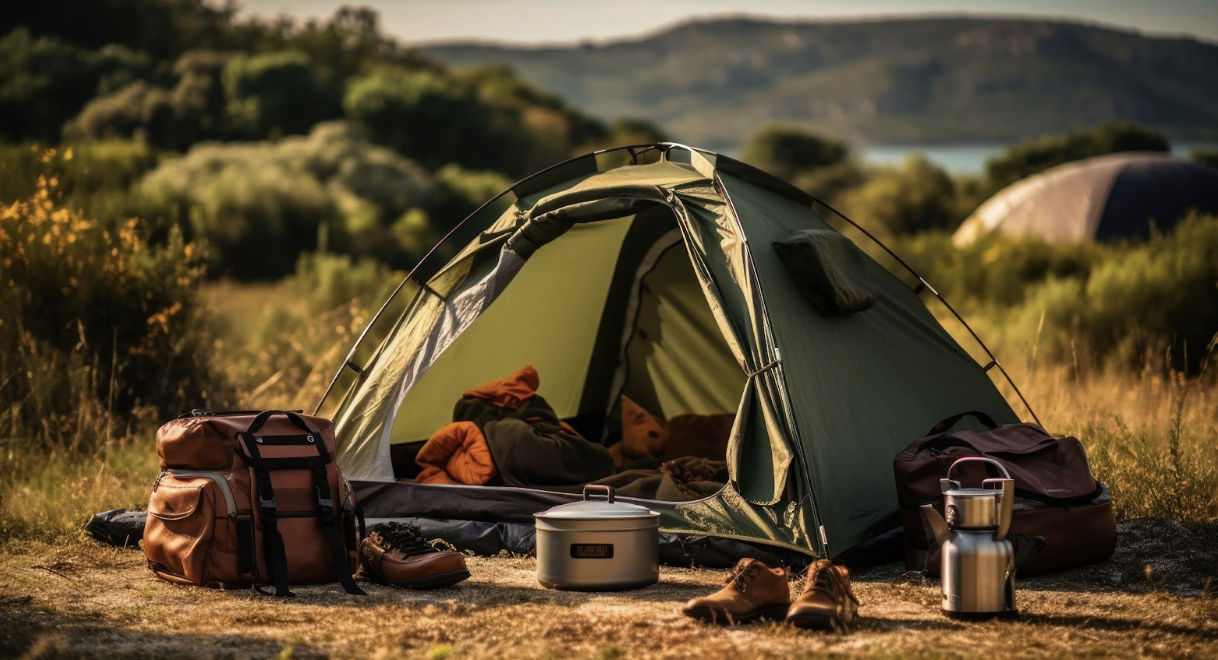
Different trips call for different shelter types. Tents offer solid protection and full coverage, ideal for wind and rain. Bivy sacks are smaller and lighter, great for fast travel or low-profile camps.
Tarps are simple and flexible, letting you set up in many ways, but may need more skill and care in bad weather. Some shelters combine these styles, offering a balance between space, weight, and setup time.
Choosing the right type depends on how far the trip goes, how long it lasts, and what conditions are expected. Each style has its own strengths, so knowing what fits the trip plan makes a big difference in how smooth the night goes and how well rest comes after a long day.
Check Durability
Rough ground, strong winds, and sharp rocks can wear down a shelter fast. Durable materials and strong stitching help keep things in shape through more than one trip. Look for thick fabric, sturdy zippers, and reinforced corners.
Poles should be made of aluminum or another solid material, not flimsy plastic. A good floor keeps water and cold out, so check for signs of strong coating.
Durability also means fewer problems in the wild- less tearing, fewer breaks, and more trust in the shelter. A well-made solo shelter can handle changing terrain and long use without falling apart after just a few nights.
Pack Smart
Packing smart means choosing a shelter that fits neatly into your pack without wasting space. Look for designs that fold compactly or come with their own storage bag. Minimize extra parts like poles or stakes by picking shelters that require fewer components.
Organize the shelter, stakes, and accessories to keep them together and easy to find. A smaller, well-packed shelter leaves room for essentials like food, water, and gear. Efficient packing ensures you're ready to go quickly, making it easier to enjoy the trip without carrying unnecessary bulk.
Ready for Your Next Adventure? Choose the Perfect Solo Shelter
Selecting the right solo shelter is key to a successful outdoor experience. Whether it's weather protection, durability, or ease of setup, the shelter you choose can make all the difference.
By considering your specific needs, you'll ensure a restful, safe, and enjoyable adventure. Find the perfect match, pack smart, and get ready to explore with confidence!
Did you find this article helpful? You can check out our website for more awesome content like this.