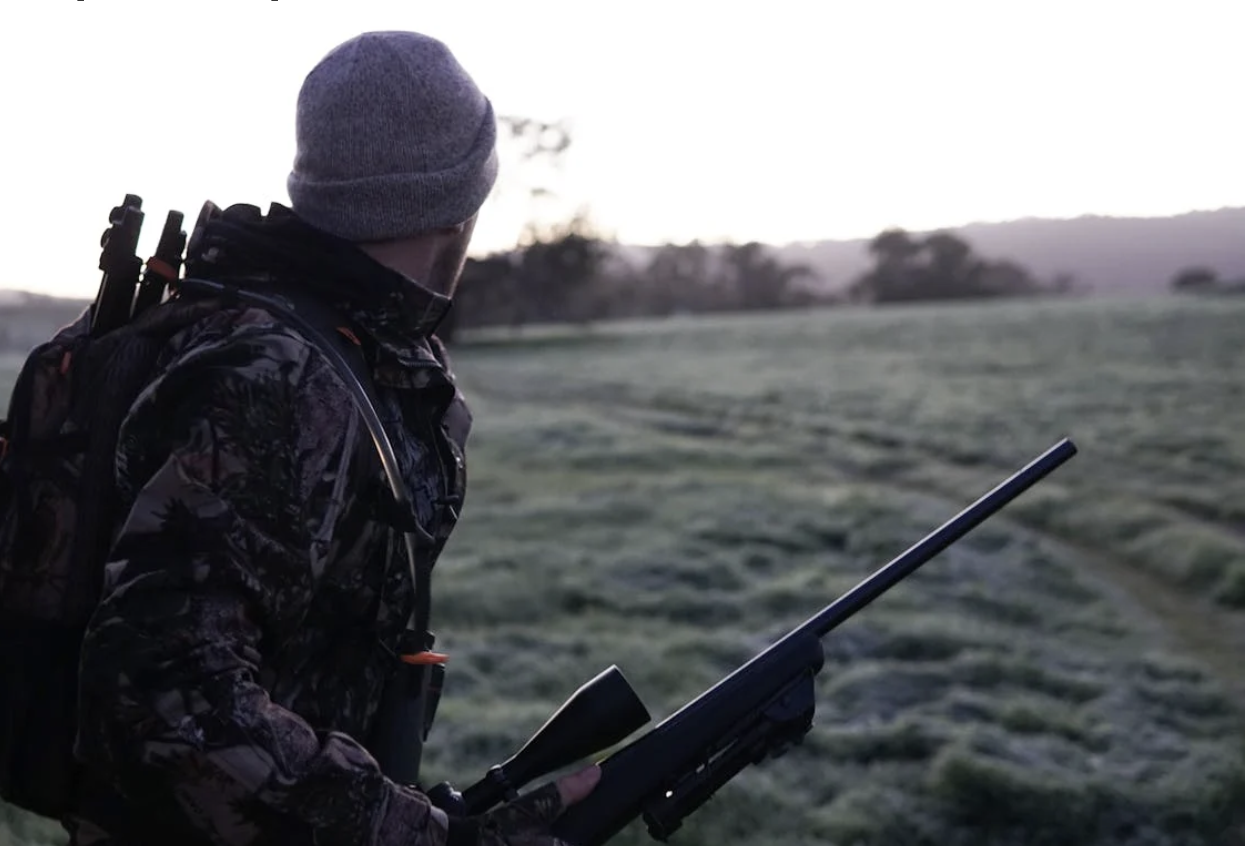
Planning the Perfect Hunting Trip: Expert Tips and Tricks
How can you make your next hunting journey run smoothly without any obstacles?
Successfully hunting requires more than just taking your equipment and entering nature. Top hunters understand that strategic preparation separates those who return empty-handed from those who bring home the ideal trophy.
This guide presents step-by-step instructions for creating an exceptional hunting adventure.
Let's dive in!
In This Guide:
Choosing the Perfect Hunting Location
Essential Gear You Can't Leave Behind
Understanding Regulations and Permits
Planning Your Hunting Strategy
Safety First: Precautions Every Hunter Should Take
Post-Hunt Processing and Conservation
Choosing the Perfect Hunting Location
Your hunting trip's success depends heavily on choosing the correct location. Make sure to determine which game you aim to hunt before beginning your planning process.
Here's the deal:
Wildlife populations and hunting regulations vary across different regions alongside their respective hunting seasons. Texas maintains the highest number of hunting licenses in the United States, with more than 1.1 million holders, followed by Pennsylvania and Tennessee. While these states present many hunting opportunities, you should still consider less populated areas, which may give you a more tranquil experience.
Select your hunting grounds based on these important factors.
Identify which species have high populations in your chosen hunting location.
Public lands have open access, but private lands can grant hunters special exclusive hunting benefits
Plan your route to the hunting site and determine the best method for transporting your equipment.
Coordinate your hunting schedule around the peak seasons when your chosen species are most active.
For hunting equipment specifically designed to meet the needs of your chosen hunting area, check with American Ordnance. The use of customized hunting equipment for your environment boosts your success rate when exploring new hunting grounds.
Essential Gear You Can't Leave Behind
Adept hunters understand how essential appropriate equipment is for their activities. The wide range of options available makes it simple to either bring too many items or forget essential gear.
Here's what recent data tells us:
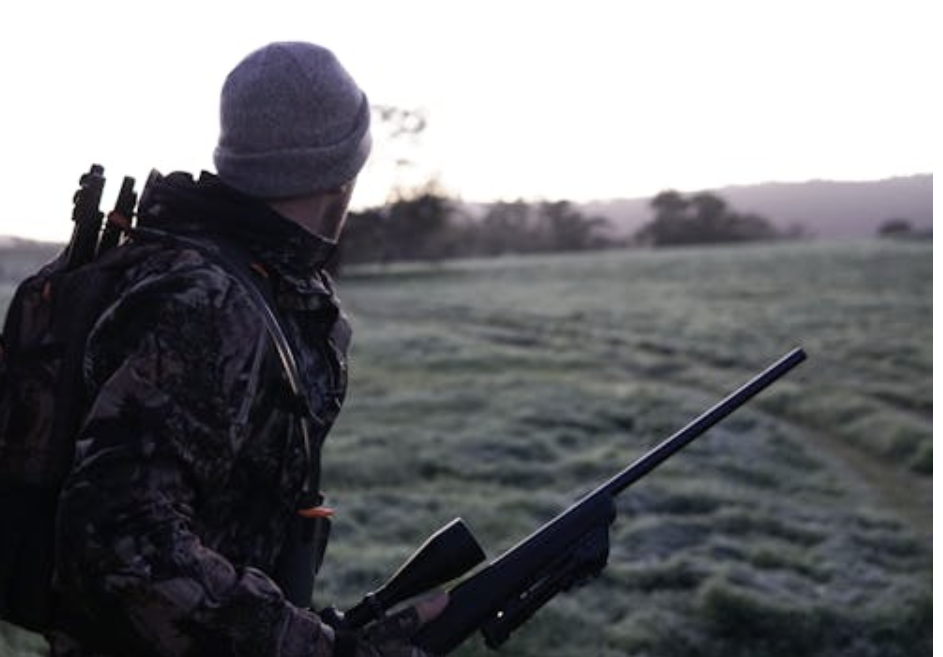
Rifles continue to hold the title of top hunting firearm among 10.77 million users as of 2023, while nearly 5 million hunters choose bows for their hunting expeditions. Whether you choose a rifle or a bow, your weapon of choice should be sighted, cleaned, and maintained in perfect working order before you head out.
After your primary hunting equipment comes this packing checklist.
Choose layered outfits that protect against the weather and mask human scent
Ensure your navigation strategy includes a map and compass while carrying a GPS device with additional batteries as a backup.
The field dressing kit should include sharp knives, together with game bags and gloves.
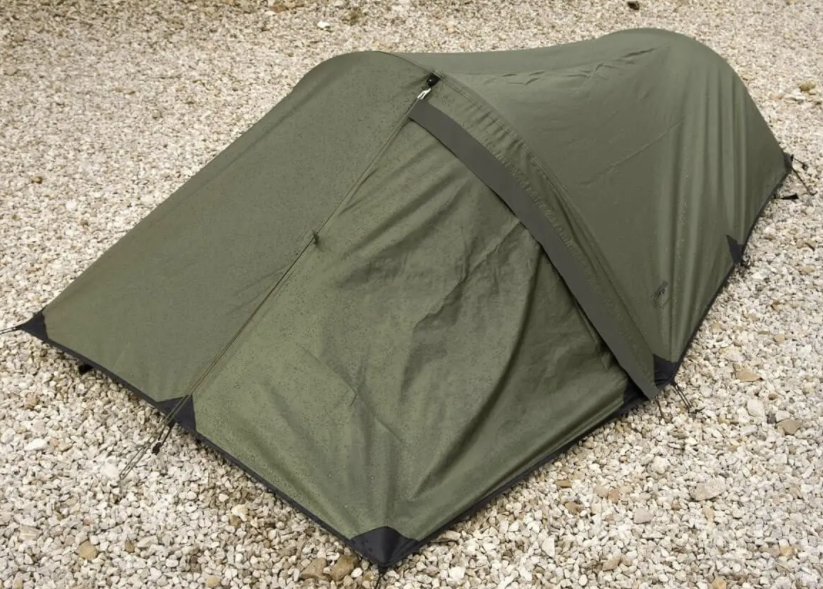
Essential safety gear includes a standard first aid kit alongside an emergency shelter and a means of communication.
The amount of food and water you should bring exceeds your typical expectations.
Pack for versatility and worst-case scenarios. If you prepare too much, it is preferable to find yourself without the necessary supplies during remote hunting expeditions.
Understanding Regulations and Permits
The fastest way to ruin a hunting trip is to violate local regulations. U.S. hunters spent over $1 billion on hunting licenses in 2024, which makes regulatory compliance essential for legal and conservation reasons.
Pay attention to this:
Every state demands mandatory licensing and uses species-specific tags to regulate harvest quantities. These rules function as vital conservation instruments that sustain wildlife populations rather than acting as simple bureaucratic obstacles.
Before your trip, make sure you:
Secure every required license and permit before your trip begins
Learn the specific bag limits and restrictions that apply to your targeted hunting species.
Know the legal hunting hours and seasons
Review local weapon restrictions before selecting your hunting location.
Find out about any unique rules that apply differently to public and private lands.
In the year 2021, authorities distributed more than 38.5 million hunting licenses and permits. Hunters demonstrate their nationwide dedication to conservation through consistent regulatory participation.
Planning Your Hunting Strategy
To achieve hunting success, hunters must be present at the right location, time, and utilize the correct methodology.
Here's why this matters:
The most commonly harvested game animal is the white-tailed deer, with more than 6 million taken each year, while wild turkeys and waterfowl also rank high in harvest numbers. Different species demand specific hunting techniques along with unique calling methods and approaches to succeed.
When developing your hunting strategy, consider:
The peak game activity occurs during both dawn and dusk periods.
In what ways will animals respond to changes in precipitation levels, wind patterns, and temperature variations?
Use the proper calling methods designed for hunting your chosen species.
Keep human scent to a minimum to prevent alerting game to your position.
Determine your hunting position by analyzing patterns of game movement.
New hunters frequently make the error of not recognizing how crucial scouting is for their hunting success. Arriving a day early allows hunters to examine the terrain while they find game trails and signs of activity, including tracks and droppings.
Safety First: Precautions Every Hunter Should Take
Practicing hunting safety is essential beyond being just a good idea. The number of Americans participating in hunting reached 14.7 million in 2022, which represents a 1% increase from 2021, so the highest priority must be to ensure everyone returns home safely.
Here's what you need to know:
Safety starts with proper preparation and education. Always follow these critical safety guidelines:
High-visibility clothing in orange or bright colors makes you more recognizable to other hunters.
Ensure you identify your target and everything beyond before shooting, as shooting at movement or sounds is dangerous.
Always operate firearms with the understanding that they are loaded.
Inform someone about your hunting destination and your expected return time.
Stay sober: Never mix alcohol with hunting
Hunters provide $25 billion to the economy every year through their purchases of equipment and travel expenses. Essential safety gear purchases help prevent accidents and save lives.
Remember that most hunting accidents are preventable. Following basic safety protocols helps guarantee that hunting traditions endure through multiple generations.
Post-Hunt Processing and Conservation
Your hunting responsibilities continue after you tag your game. The hunting experience requires proper field dressing methods along with correct transportation and processing procedures.
Think about this:
Ethical hunting requires hunters to use all parts of the animal they harvest. This practice demonstrates respect for the animal while maintaining the hunting tradition. Here's what you need to consider:
Before your hunting trip, study proper field dressing techniques to make sure you're prepared.
Create a strategy to maintain meat freshness by controlling temperatures.
You must decide between processing the animal yourself or hiring a professional butcher.
Allocate freezer space for storing your harvested game ahead of time.
The essence of hunting traditions includes vital conservation practices. Through their dedication to conservation practices, hunters have managed to restore numerous species from the brink of extinction. America's wildlife management programs receive substantial funding from taxes on hunting licenses and equipment.
Research shows that 40% of Americans had a positive opinion about hunting in 2024. The hunting community receives widespread approval primarily because its members actively participate in conservation work and wildlife management.
Sealing The Deal: Final Thoughts
Careful preparation and attention to detail are essential for planning a successful hunting trip. The selection of your location and permit acquisition are essential components that determine the success of your hunting trip experience.
Remember these key points:
Research your hunting location thoroughly before committing
Inspect your equipment to make sure everything functions properly before your trip begins
Secure your required hunting licenses and learn about local hunting rules.
Formulate a hunting plan that focuses specifically on the characteristics of the species you intend to hunt.
Prioritize safety at all times