Wilderness Hunting: 8 Essential Skills Every Hunter Must Learn
Hunting in the wild isn’t just about aiming down a scope or setting up the perfect blind. It’s about reading the land, adapting to unexpected conditions, and deeply understanding the ecosystem you’ve stepped into. Whether you’re after trophy game or harvesting meat to fill your freezer, the wilderness demands more than just good gear. It requires a strong foundation of practical skills and mental toughness.
For those embarking on rugged adventures like South Dakota whitetail deer hunts, having these essential skills often leads to a successful harvest instead of a frustrating, unproductive weekend.
Top 8 Essential Hunting Skills
Let’s explore the essential skills every hunter should master before venturing into the untamed backcountry. From map reading to ethical shooting, these core abilities will elevate your hunt and ensure your safety in the wild.
1. Navigation: Mastering Map and Compass Use
Modern GPS tools are fantastic, but batteries fail and signals fade, especially deep in remote regions. Every hunter should be able to read a topographic map and use a compass confidently. Understanding terrain features such as ridgelines, drainages, saddles, and elevation contours can mean the difference between locating game and getting lost.
Training Tip: Practice navigating without GPS in your local wilderness areas. Try finding landmarks and charting a route using only a paper map and compass.
2. Wilderness Survival: The Skills That Could Save Your Life
Even the most well-planned hunt can go sideways. Weather changes, hiking injuries occur, or you may become disoriented. Basic survival knowledge gives you the edge if plans fall apart.
Core Survival Skills to Learn:
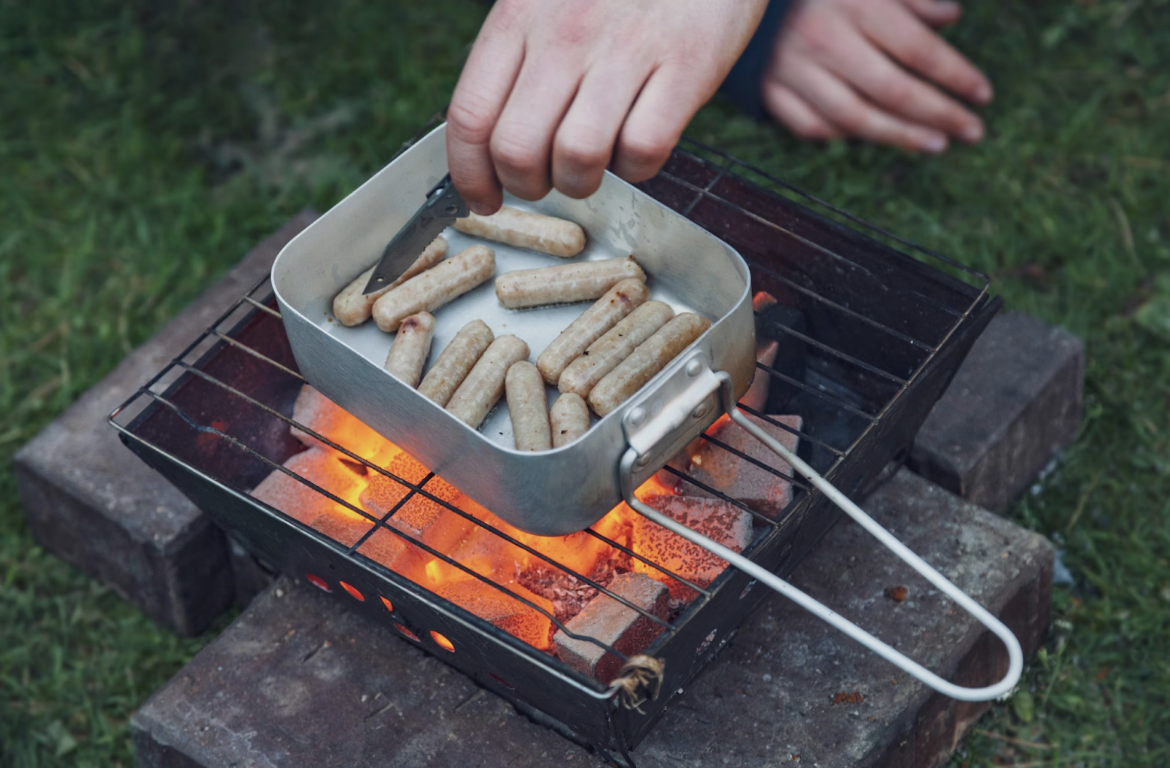
Starting a fire using various methods (including wet-weather techniques)
Building emergency shelters using natural materials or tarps
Finding and purifying water
Administering basic first aid
A lightweight survival kit is a non-negotiable item in any hunting pack. Make sure yours is tailored to your hunting location.
3. Tracking and Sign Reading: The Art of Following Game
To consistently find and pursue wild game, you need to “read the land” as animals do. This means spotting subtle signs of movement and presence — a broken twig, fresh scat, disturbed soil, or bedding impressions.
Common Signs to Learn:
Hoof or paw prints (and how to age them)
Animal droppings (moisture, size, contents)
Rub marks, wallows, and scent trails
Feeding areas and travel corridors
Spend time in the woods observing these signs even when you're not hunting. The ability to track isn’t learned overnight — it’s developed through time and observation.
4. Animal Behavior & Habits: Thinking Like Your Quarry
Understanding animal behavior is crucial to successful hunting. Each species has unique routines based on season, habitat, temperature, and even moon phases.
Ways to Gain Insight:
Research specific species patterns (e.g., mule deer during rutting season vs. elk in early archery season)
Study feeding times and favored vegetation
Use trail cameras to gather real-time behavioral data
When you understand how an animal thinks and moves, you can anticipate its next step, putting you in the perfect position for an ethical shot.
5. Physical Fitness: Prepare Your Body for the Demands of the Wild
A successful hunt often requires hiking steep terrain, carrying a heavy load, and enduring long hours on your feet. Physical conditioning isn’t just a bonus. It’s essential.
Key Areas to Train:
Cardio endurance: Trail running, uphill hiking with a weighted pack
Strength training: Focus on legs, core, and back for pack-outs
Flexibility and mobility: Incorporate stretching or yoga routines to prevent injury
The fitter you are, the more ground you can cover and the better your chances of locating that elusive game.
6. Shooting Proficiency: Ethical Accuracy Over Raw Power
Marksmanship is a responsibility, not just a skill. An ethical hunter ensures that every shot is quick, clean, and humane. That kind of accuracy only comes with practice.
Sharpen Your Skills By:
Shooting from realistic field positions (prone, sitting, standing, off-hand)
Practicing in adverse weather conditions
Understanding bullet drop and wind drift at various distances
Knowing your effective shooting range and staying within it
A well-placed shot is always better than a long shot. Quality over distance, every time.
7. Smart Packing: Gear That Serves a Purpose
Carrying everything you might need isn't just uncomfortable — it can slow you down and exhaust your energy reserves. A disciplined packing list includes only the essentials that serve multiple functions.
Essential Items for Every Hunt:
Navigation tools (map, compass, GPS)
Survival gear (firestarter, emergency blanket, compact shelter)
Hydration system and water filtration
First-aid kit tailored to wilderness use
Knife or multi-tool
Binoculars or a rangefinder
Weather-appropriate clothing layers
Regularly review and refine your gear after each trip. What you didn’t use can likely stay home next time — unless it’s for emergencies.
8. Conservation Ethic: Respect for Land, Wildlife, and Fellow Hunters
Being a hunter means more than harvesting animals. It means being a steward of the land; someone who protects wildlife, respects public and private lands, and leaves no trace behind.
Best Practices:
Pack out all waste, including shell casings and food wrappers
Stay on designated trails and avoid damaging sensitive habitats
Follow local regulations and respect hunting seasons
Treat every animal with dignity and gratitude
This mindset preserves wild spaces and hunting privileges for future generations.
Hunt with Skill, Honor, and Preparedness
The wilderness can be a place of beauty, solitude, and incredible reward but only for those who respect its challenges and prepare properly. By mastering these essential hunting skills, you’re not just increasing your odds of success; you’re committing to ethical practices, personal safety, and deep respect for nature.
Whether it’s your first hunt or your fiftieth, treat every expedition as a chance to learn, grow, and give back to the wild that gives so much.
Get out there, stay sharp, and happy hunting.
AUTHOR’S BIO
Janine Kyle is a content specialist at My Biz Niche, passionate about translating ideas into impactful digital content. With a blend of creativity and strategy, she helps brands connect authentically with their audiences. Outside of work, she finds joy in exploring new places and documenting her adventures through photography.