Climb Kilimanjaro for Uniting Cultures, People, and Inspiring Natural Views
Big Mountain Calls Many People from Many Places
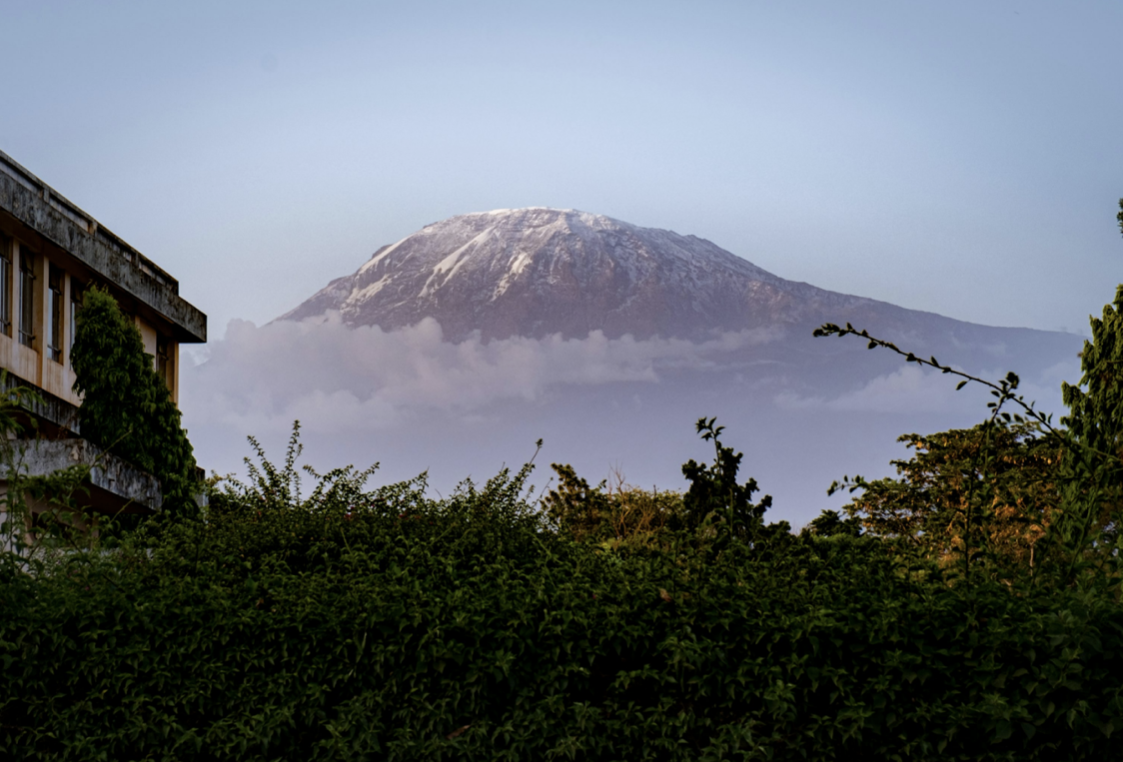
Climbing Kilimanjaro is not just a mountain walk but a big journey of the heart. Many people come from different worlds for this climb. This mountain stands in Tanzania and looks like a giant Roof of Africa. It brings different cultures together. People meet, people share stories, people laugh. This makes Kilimanjaro more than rock and snow. It makes it a place of connection and dreams.
Many travellers feel surprised when they see how many nations walk the same path. Some come from Asia, some from Europe, and some from Africa itself. All climb the same trail and look at the same sky. It feels like family, even if you meet for the first time. This is why climbing Kilimanjaro has become a symbol of unity and friendship.
Uniting Cultures on the Trail
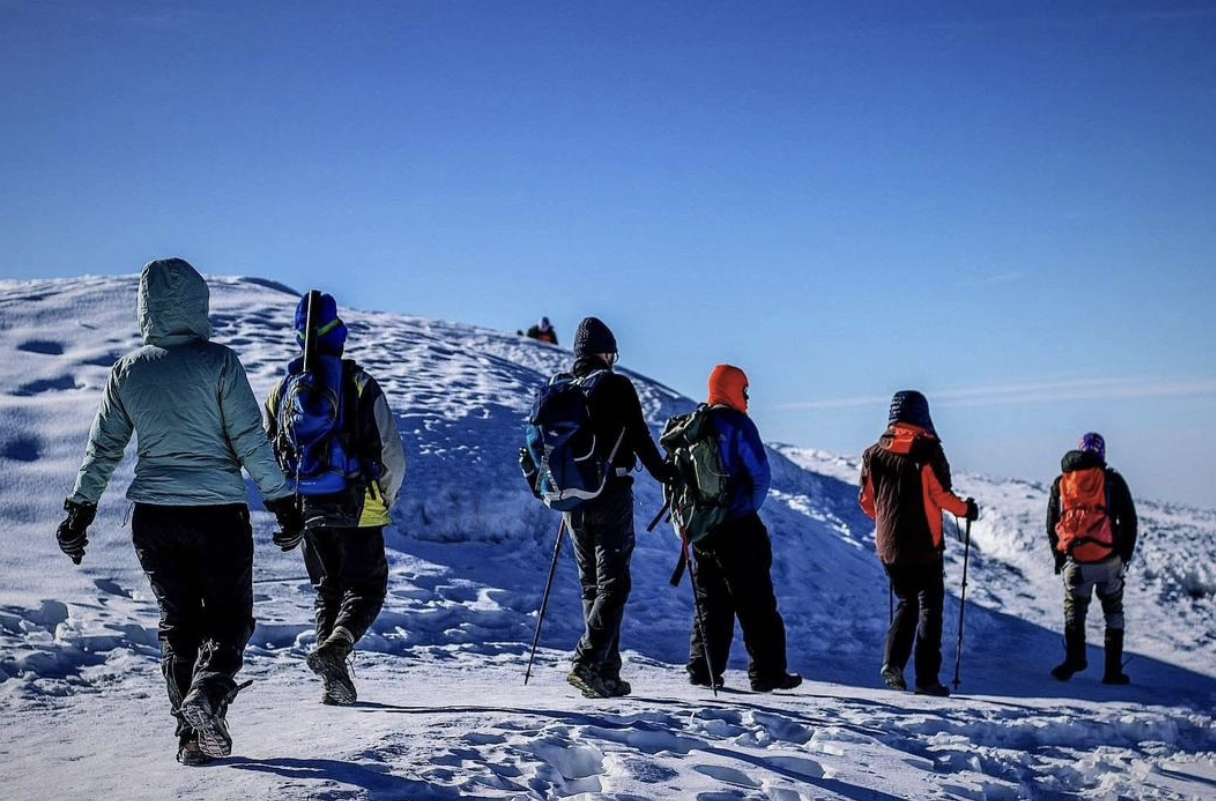
When you walk on Kilimanjaro, you walk with a team of guides, porters, and fellow climbers. Each person has a different language and colour but the same goal. This is beautiful because you share food, share camp, share morning cold, and evening sunset. You learn words from another tongue. You taste other snacks. You hear songs you’ve never heard before.
Local guides teach about mountain stories. They tell how their people respect the mountain spirit. They show plants, animals, and old paths. Visitors listen and ask. This exchange makes travel deep. It not only climbs the body but also climbs the mind.
Many climbers say they return home with new friends from faraway countries. They stay in touch. They visit each other later. Kilimanjaro becomes a bridge between people who would never meet without this climb.
How Long Does It Take to Climb Kilimanjaro?
Climbing Kilimanjaro is a thrilling adventure that attracts trekkers from around the world. One of the most common questions is: how long does it take to climb Kilimanjaro? The answer depends on the route you choose and your fitness level. Most treks range from 5 to 9 days, with longer routes offering better acclimatisation and higher chances of reaching the summit. Shorter routes are more challenging due to rapid altitude gain. On average, trekkers spend about 6 to 8 days to safely ascend and descend the mountain, balancing adventure with safety for an unforgettable experience.
Inspiring Natural Views Everywhere
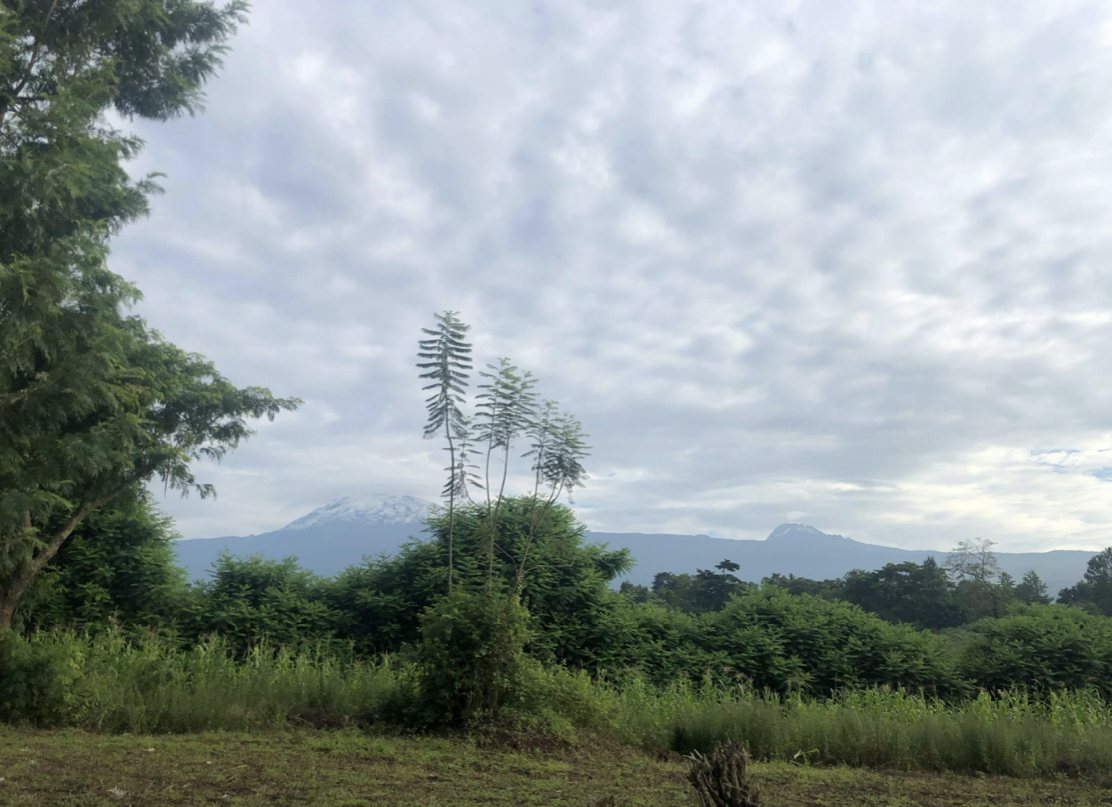
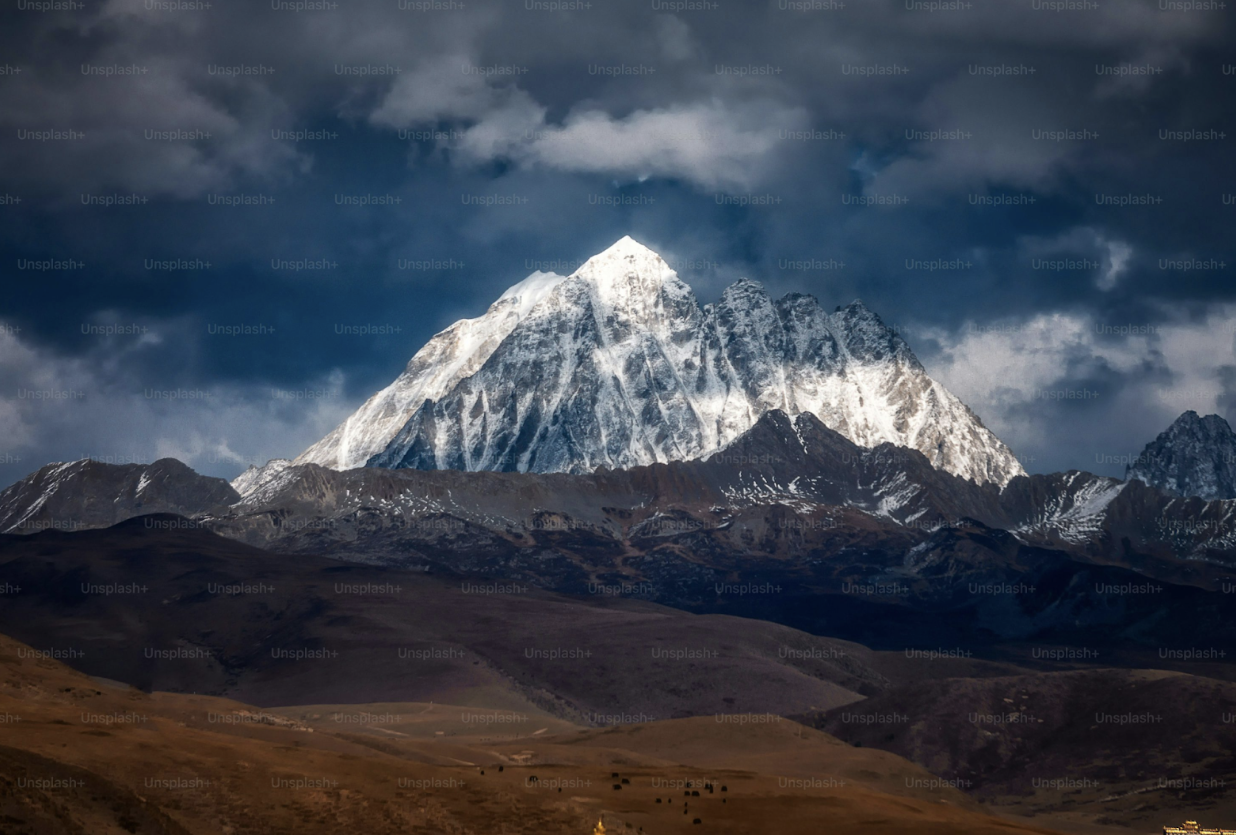
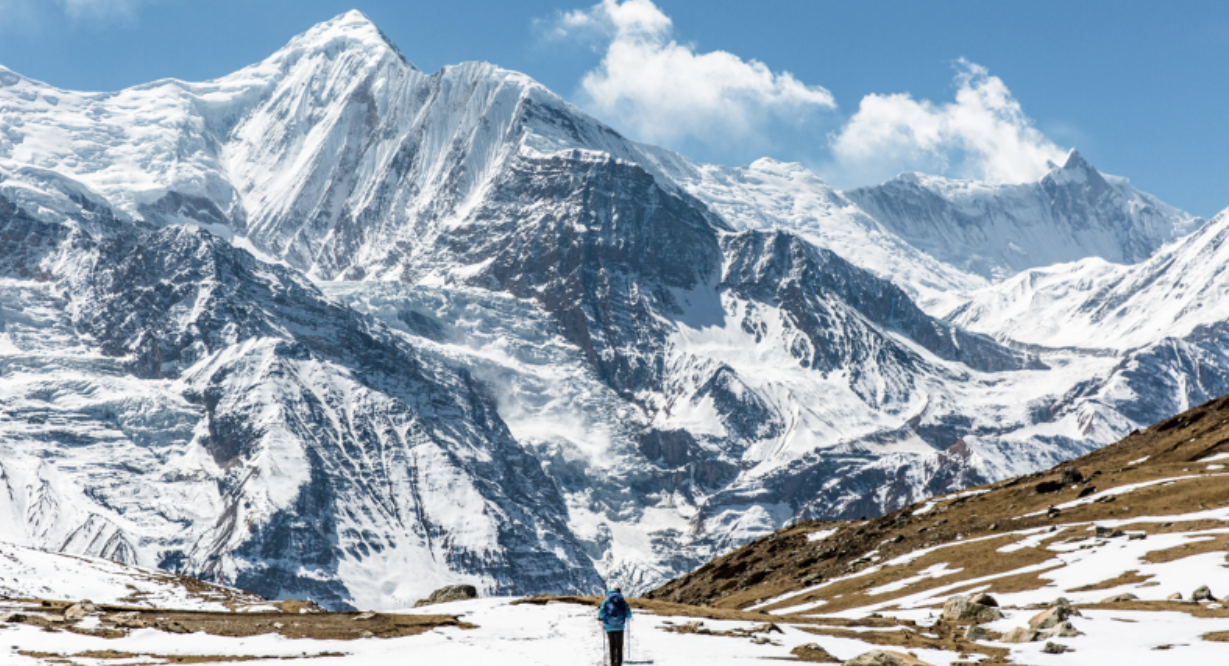
From the bottom to the top Kilimanjaro shows many different lands. You start in green forest with monkeys jumping and birds singing. Then you enter the heath zone with giant plants that look like aliens. Higher up you see rock and ice. At last you step on the snowy roof and see sunrise over the African plains.
Each view gives a new feeling. Many people say they cry when they see the first glacier. Some say they feel small but strong at the same time. These natural views inspire because they show Earth’s beauty and power.
Even if your body is tired, your eyes stay awake because every corner is a photo moment: giant lava rocks, seas of cloud underfoot, stars at night like a million fires. These make memories that stay forever in the heart.
Why Kilimanjaro Is Special for Culture and Nature Together
Other mountains may have ice or culture, but Kilimanjaro has the mix. It stands alone, not in a big range, so it rises like an island of sky. Around it live many tribes like the Chagga and Maasai. They have a long story with this mountain. They call it a sacred place. When you climb you pass their villages, see their farms, buy fruit and handicrafts. This supports the local economy and keeps traditions alive. You are not only a tourist but also a small part of their life for a few days. This makes the trip feel real.
Because many routes exist, you can choose different experiences. The Machame Route is popular for scenery. Marangu is known for hut stays. Lemosho for quiet and wildlife. All routes still show the same high view at the summit.
Best Time to Climb Kilimanjaro
Kilimanjaro can be climbed year-round, but the Best Time to Climb Kilimanjaro is during the dry periods: January to early March and June to October. During these months, the weather is more stable with clear skies, making trekking safer and views more spectacular. The January–March window is slightly cooler and quieter, while June–October offers warmer conditions and is the most popular time for travellers.
The rainy seasons — April to May and November — bring slippery trails and cloudier views, though they also mean fewer crowds. Choosing the right season helps ensure a more comfortable and rewarding summit experience.
Preparation for This Big Journey
Even if Kilimanjaro does not need technical climbing, it is still high and long. You need to prepare your body and mind. Many people have trained with walks and hikes before. Good shoes, warm clothes, and a positive attitude help most.
Local operators provide guides and porters. They carry heavy bags, so you carry only a day pack. They cook food, set camp, and sing songs in the morning to give energy. This service makes the climb possible for people of many ages.
When you plan a trip, you also learn about cultural respect. Say Jambo to guides, listen when they explain mountain rules. Small things show respect and build good feelings.
Meeting People Changes the Trip
Some travellers come alone but leave with a group of friends. At the campfire, they share life stories: one talks about a city job, one about a farm, one about studies. You learn many perspectives. You understand the world is bigger and also the same.
Because altitude slows everyone down, you have time to talk. No phone signal, no work email. Only stars, cold air, and human voices. This makes deep connections. Some even say Kilimanjaro changed their thinking about world peace, because they saw people work together for one goal.
Local Guides and Porters: The Heart of the Mountain
Without them, most visitors cannot reach the summit. They know the trail, weather, and safety. They carry tents, water, and food. They sing, they smile, and they encourage when you are weak. They are from the local community, so climbing gives them jobs and supports families.
Many operators now join programmes for fair wages and good conditions for porters. As a climber, you can choose a company that treats workers well. This makes climbing more ethical and makes you feel proud. When you finish the climb, you often tip guides and porters. This tradition shows appreciation and builds trust between visitors and locals.
Nature Lessons on Kilimanjaro
Walking through different zones is like a school without walls. You learn about climate change when you see glaciers shrink. You learn about animal adaptation when you see birds at high altitude. You learn about your own strength when you push past tired legs.
Some people bring notebooks and write down feelings. Some take pictures. Some just sit quiet and watch. All feel something deep because nature here is pure and big. This lesson stays with you after the trip. You may start recycling more, walking more, eating simple, or supporting conservation. This is the real impact of travel with meaning.
Healthy Challenge for Body and Spirit
Climbing Kilimanjaro is hard but not impossible. Many normal people reach the top each year. Slow and steady makes it. Guides say Pole pole, which means slow in Swahili. This word becomes a mantra for life.
When you reach Uhuru Peak, you see the sign and the big sky. You feel cold but warm inside. You think about all the steps and all the people who helped you. You think about the world down there. You feel hope.
This challenge teaches patience, teamwork, and respect for Earth. You bring this back to daily life and share it with friends and family.
Sustainable and Respectful Travel
Because Kilimanjaro receives many visitors, it is important to protect it. Carry out trash, use eco-toilets, and follow park rules. Choose operators who care about the environment. Support local products, not plastic imports. When you act responsibly, you help keep the mountain clean for future generations. You also show a good example for other climbers. This is part of uniting cultures, too, because all people share the same responsibility.
How to Plan Your Kilimanjaro Adventure
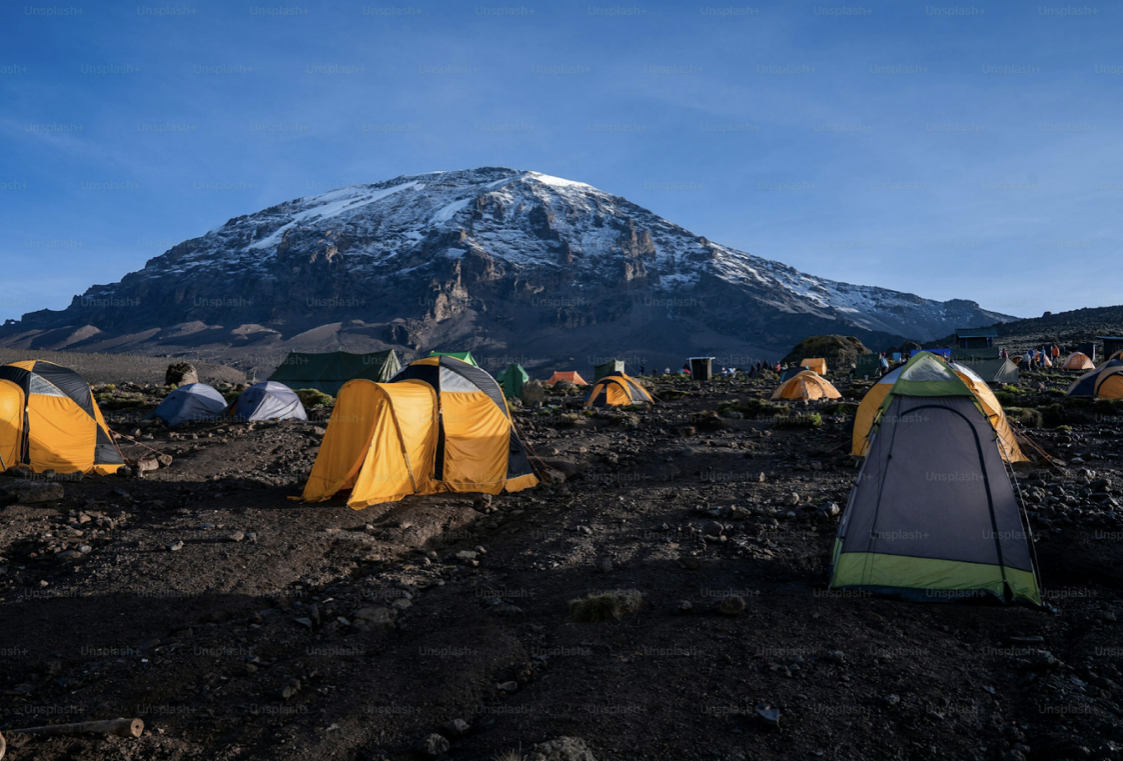
First, decide your time. The dry seasons — June to October and December to February — are most popular. Then choose a route based on fitness and days. Book with a licensed company. Check if they provide oxygen, first aid, and good tents. Next, prepare gear: layered clothes for hot lowland and cold summit; good boots; headlamp; water bottle; snacks. Train by walking hills and carrying a light pack. Plan an extra day after the climb to rest or visit nearby safari parks like Serengeti or Ngorongoro. This makes the trip more complete.
Stories from People Who Climbed
Anna from Germany says she met a Kenyan teacher on the trail and now they run a school project together.
John from Canada says he learned a Swahili song and now sings it at home.
A couple from Japan says they felt closer after climbing because they supported each other in the hard parts.
These stories show how Kilimanjaro is not only a mountain but a place of human bond.
Conclusion: Kilimanjaro as a Mountain of Unity and View
Climbing Kilimanjaro to unite cultures, people, and inspiring natural views is more than an adventure. It is a path where strangers become friends, where nature shows its best face, where hearts open wide. Many come for summit photos but leave with something bigger. They leave with new respect for Earth and people. They leave with memories that shine like snow at dawn.
If you look for travel that gives both challenge and connection, this mountain waits for you. It stands tall in the African sky and calls all people to walk together, to see beauty, to feel unity. Answer this call, and you will carry a piece of Kilimanjaro in your soul forever.