Kilimanjaro: Africa’s Majestic Summit
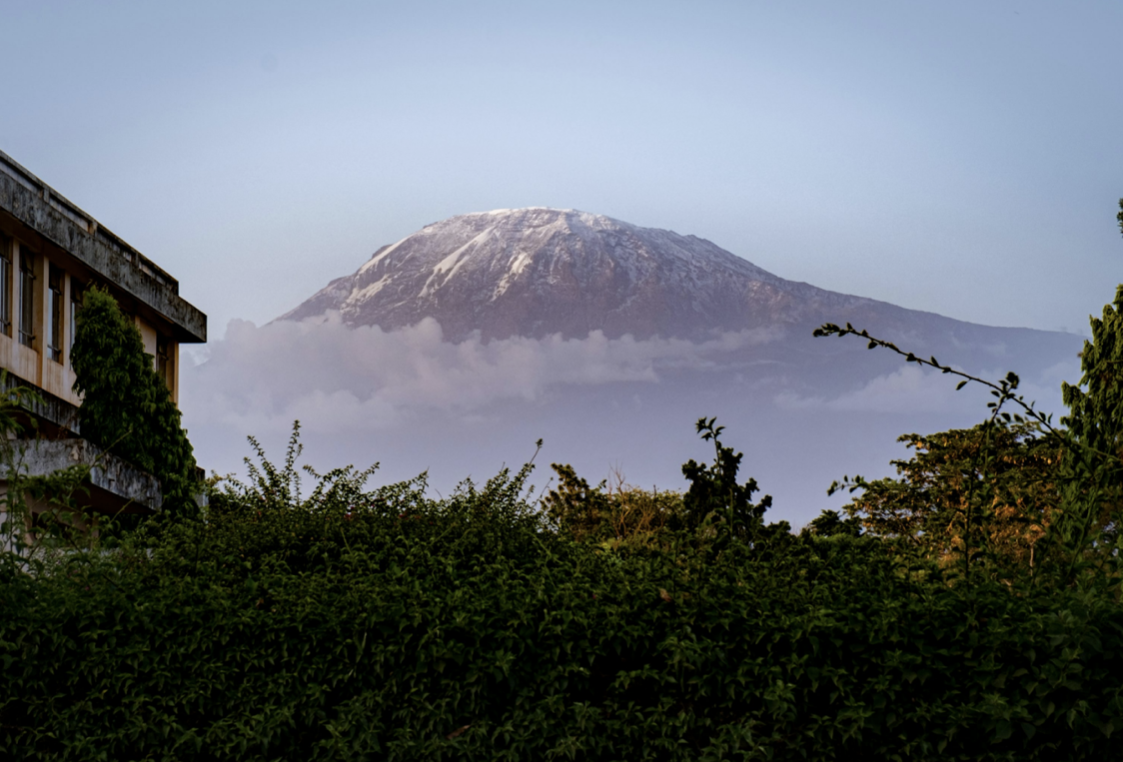
Rising above the vast plains of East Africa, Mount Kilimanjaro stands as a solitary giant—Africa’s highest peak and the world’s tallest free-standing mountain. Located in northeastern Tanzania, close to the Kenyan border, Kilimanjaro is more than a geographical landmark. It is a spiritual icon, a trekking challenge, and a window into diverse ecosystems. Each year, thousands of adventurers set their sights on its snow-capped summit, driven by the dream of reaching the fabled Uhuru Peak at 5,895 meters (19,341 feet).
The Mountain’s Origins and Structure
Mount Kilimanjaro is a dormant stratovolcano made up of three volcanic cones: Kibo, Mawenzi, and Shira. Kibo, the central cone, is the highest and the only one with permanent glaciers and snow at its summit. Mawenzi, the second-highest, is rugged and striking, while Shira is the oldest and now largely eroded. Although classified as dormant, Kibo has shown signs of volcanic activity in the past and may erupt again in the distant future.
Formed hundreds of thousands of years ago by successive volcanic eruptions, Kilimanjaro is as much a geological wonder as it is a mountaineering prize. Today, its icy summit looms high above the Tanzanian plains, symbolizing endurance, inspiration, and the raw power of nature.
A Journey Through Climatic Zones
One of the most one of a kind highlights of Mount Kilimanjaro is the opportunity to journey through five particular environmental zones—each with its claimed climate, vegetation, and natural life. It’s like traveling from the equator to the Cold in a matter of days.
Cultivated Zone (800–1,800 m): The lower inclines of Kilimanjaro are domestic to wealthy farmlands overseen by the nearby Chagga individuals. Bananas, maize, and coffee ranches flourish here.
Rainforest Zone (1,800–2,800 m): This lavish and muggy woodland belt is filled with towering trees, extraordinary feathered creatures, monkeys, and colorful plants. It is regularly foggy and gets overwhelming rainfall.
Heather and Moorland Zone (2,800–4,000 m): Vegetation gets to be sparser here, ruled by heather, mammoth lobelias, and one of a kind vegetation adjusted to cooler temperatures.
Alpine Leave Zone (4,000–5,000 m): The scene is unforgiving and dry, with volcanic rocks and constrained vegetation. Temperatures change definitely between day and night.
Arctic Zone (over 5,000 m): Close the summit, the environment is frigid. The discussion is lean, oxygen is rare, and the territory is ruled by ice and rock.
This difference makes Kilimanjaro a once-in-a-lifetime involvement for nature partners and trekkers alike.
Routes to the Top
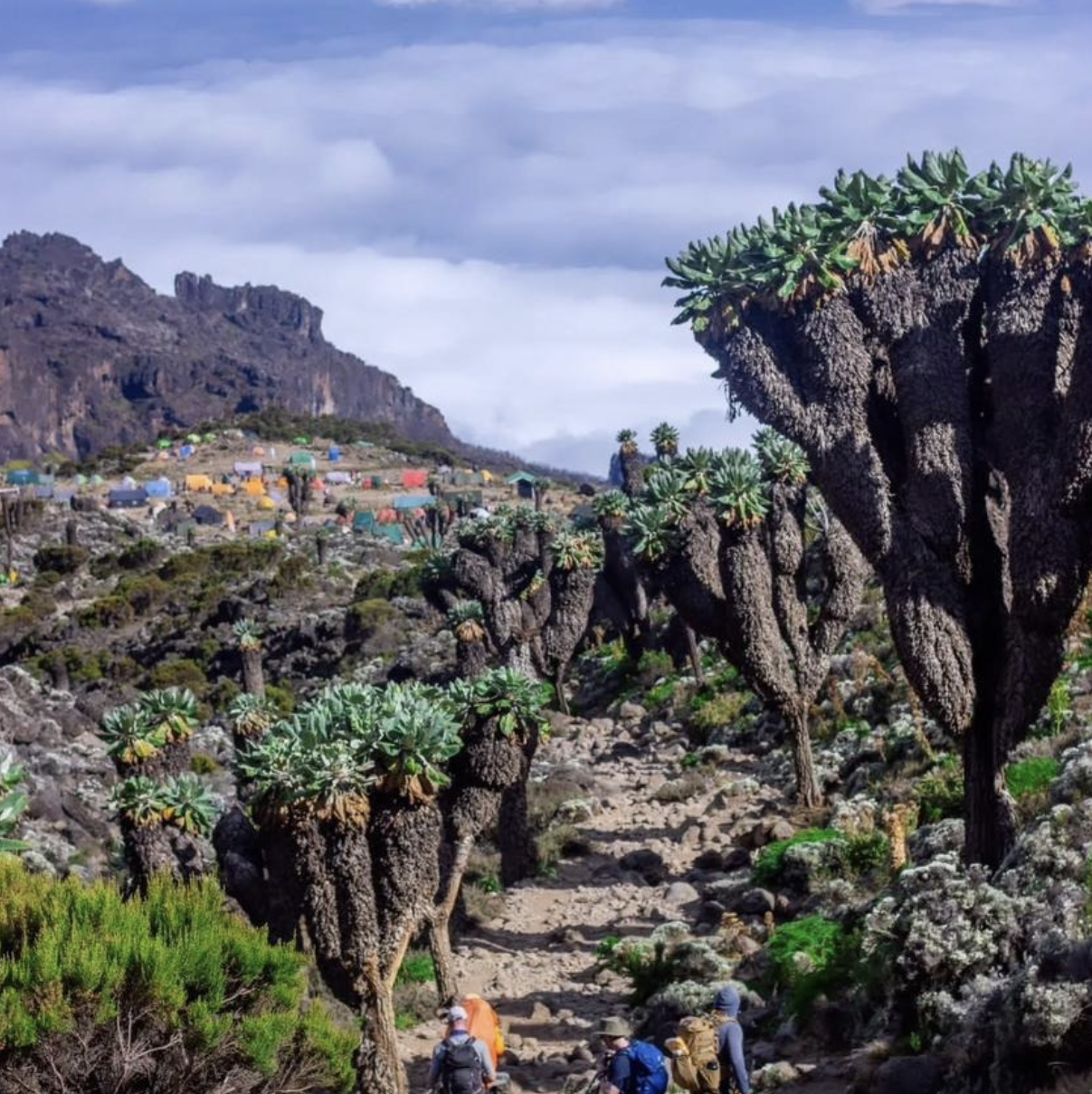
There are several trekking routes to the summit of Kilimanjaro, each offering different scenery, difficulty levels, and acclimatization profiles:
Marangu Route: Often referred to as the “Coca-Cola” route, it’s the only path with hut accommodations and is considered the easiest, though less scenic.
Machame Route: Known as the “Whiskey” route, this path is more challenging but also more scenic. It has a high success rate due to better acclimatization.
Lemosho Route: A longer route that offers stunning views, less crowding, and excellent acclimatization opportunities.
Rongai Route: Approaching from the north, it is drier and less busy, with gentle hills and great wilderness appeal.
Umbwe Route: The steepest and most difficult path, recommended only for experienced climbers seeking a fast and intense ascent.
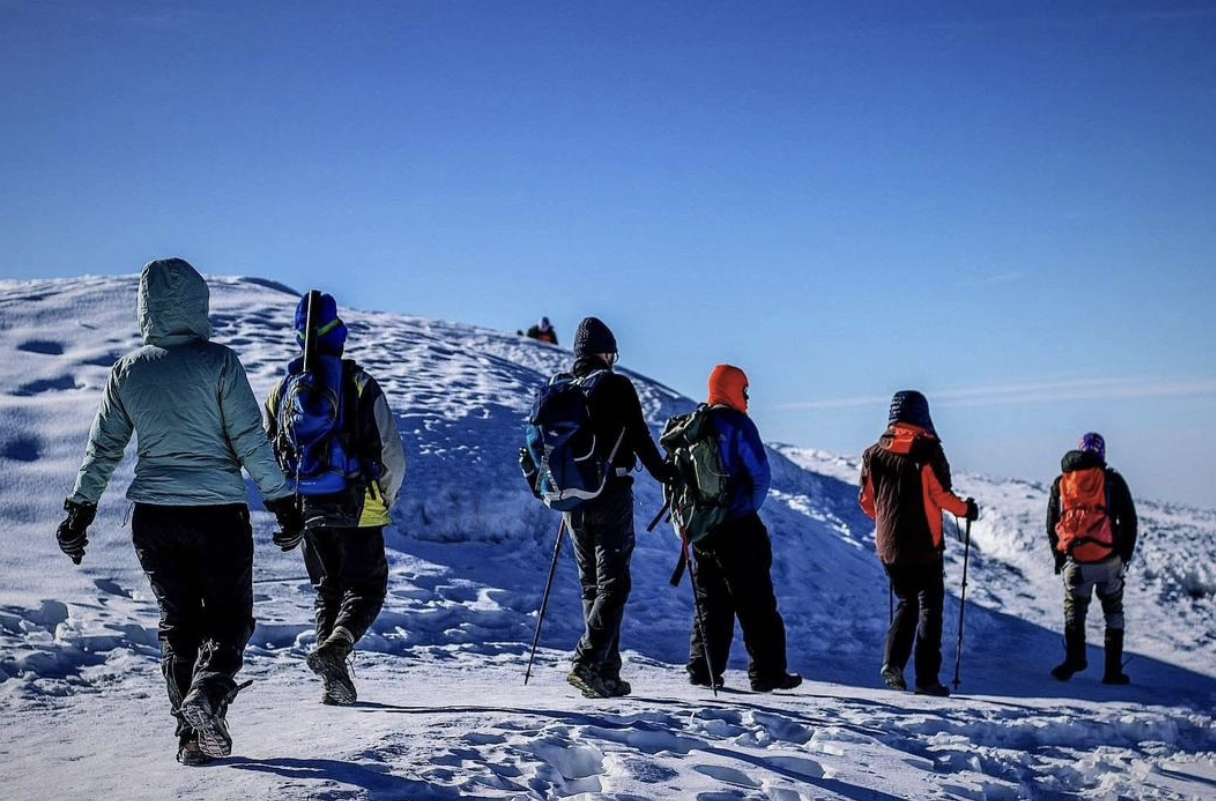
Treks typically last from 5 to 9 days, with longer routes offering better chances of summit success due to gradual altitude gain.
Preparing for the Climb
Although climbing Kilimanjaro doesn’t require specialized mountaineering abilities, it is still a physically requesting journey that requires arrangement. Climbers ought to center on cardiovascular preparation, perseverance climbs, and fortifying leg muscles. The essential challenge is not the landscape but the elevation. Numerous climbers endure from Intense Mountain Ailment (AMS), so a moderate and unfaltering pace is essential.
Guides and doormen play an imperative part in each climb, not as it were by carrying equipment and setting up camp but also by advertising inspiration, checking wellbeing, and guaranteeing security. These nearby groups are the spine of each effective Kilimanjaro expedition.
The Summit Experience
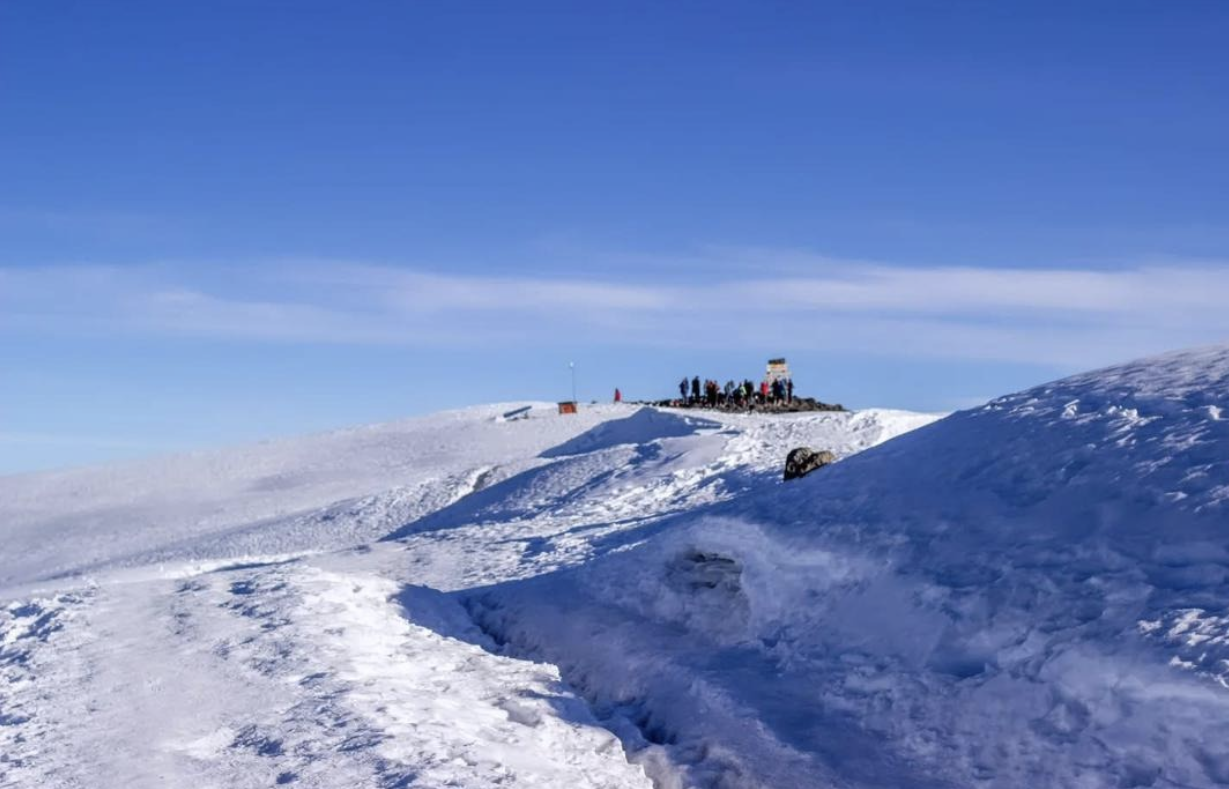
Summit day ordinarily starts at midnight, with trekkers making their last climb in the dim. As the sky starts to brighten, the location of the sun rising over the African fields is one of the most fulfilling and enthusiastic minutes of the trip. After a few tiring hours, climbers reach Uhuru peak, the most elevated point on the mountain and the continent.
There, a wooden sign reads:
"Congratulations! You are presently at Uhuru Top, Tanzania, 5,895 m, Africa's most noteworthy point, world's most elevated free-standing mountain."
This minute is unforgettable—a summit of exertion, mettle, and individual triumph.
Kilimanjaro’s Changing Face
Over the last century, Kilimanjaro’s glaciers have been retreating at an alarming rate. Scientists estimate that over 80% of its ice cap has vanished since the early 20th century. If current trends continue, the iconic glaciers may disappear within a few decades.
This visible impact of climate change makes the climb not just a physical journey but also a reminder of our shared responsibility to protect the planet.
When to Visit
The best time to climb Kilimanjaro is amid the two dry seasons:
January to early Walk: Hotter temperatures and less crowds.
June to October: Cooler, clearer climate and the most well known time to climb.
Rainy seasons (Walk to May and November) make the trails elusive and perceivability lower, in spite of the fact that less swarms can be requested by prepared adventurers.
Cultural Encounters
The slants of Kilimanjaro are domestic to the Chagga individuals, known for their rural homes and neighborliness. Social visits offer knowledge into neighborhood conventions, coffee cultivating, and town life. Numerous trekking companies incorporate social encounters as part of the agenda, permitting travelers to interface with Tanzania’s legacy on a more profound level.
Conclusion
Climbing Kilimanjaro is more than just a physical challenge—it’s a spiritual journey, a lesson in endurance, and a celebration of Africa’s wild beauty. The changing landscapes, the shared camaraderie of fellow trekkers, and the rewarding summit all contribute to an unforgettable experience.
For those who venture to Tanzania, Kilimanjaro is just the beginning. From the endless plains of the Serengeti, to the world-class Tanzania safari experiences, and the breathtaking Ngorongoro Crater, the adventure continues long after the mountain is conquered.
Booking your dream African adventure is simple with African Adventure Travellers.
With over 20 years of experience, African Adventure Travellers is one of the top travel agencies in Africa. Our knowledgeable and dedicated team understands every aspect of creating a safe, enriching, and unforgettable journey.
We prioritize your safety and comfort while sharing our deep expertise in African cultures, wildlife, and landscapes. Whether you’re seeking thrilling safaris, cultural encounters, or breathtaking scenery, we craft memorable tours across East Africa tailored to your needs.
From planning to your safe return home, our friendly team is here to guide you every step of the way. We handle all logistics — including transportation, accommodation, and permits so you can focus on enjoying the experience.
To consult with us, reach out via email at [tours@adventure-travellers.com](mailto:tours@adventure-travellers.com) or WhatsApp at +256 782 118 037.
Let African Adventure Travellers turn your dream into reality.