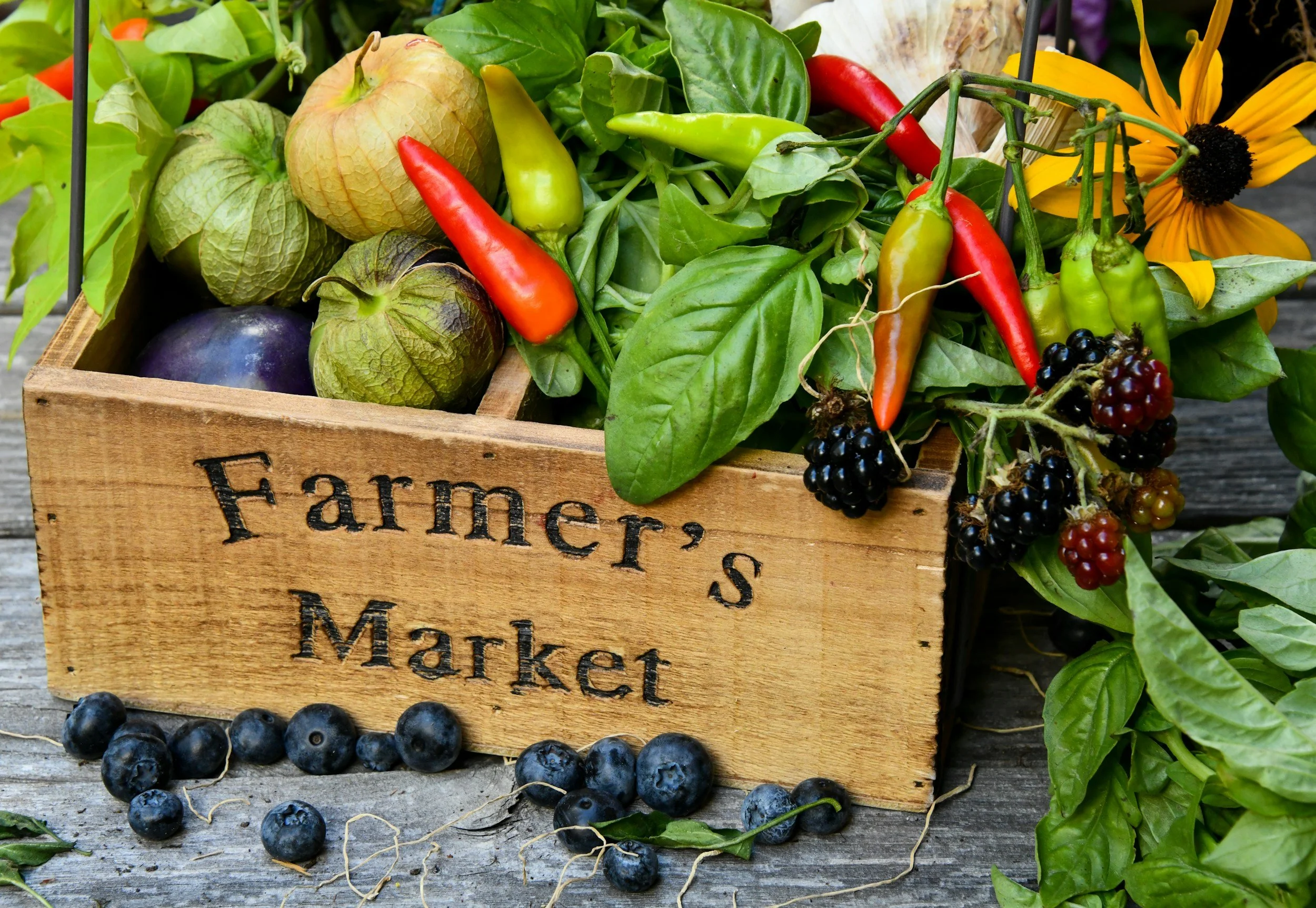
Farmers’ Market Tourism: Vikki Nicolai La Crosse Explains How To Plan A Trip Around Seasonal Produce (And Turn It Into Dinner)
Farmers’ markets can be the heart of a trip, not just a quick stop. When you travel with your taste buds leading the way, every stall becomes a story. That is the kind of journey Vikki Nicolai La Crosse loves to plan and share.
Why Plan A Trip Around Farmers’ Markets?
Farmers’ market tourism lets you see how people really live and eat. You step into a town’s daily rhythm, not just its postcard sights. The market becomes your window into local culture.
Seasonal produce also tastes better when you buy it where it grows. Strawberries picked that morning have a sweetness you never find in long-distance fruit. Tomatoes grown nearby carry the flavor of the sun and soil.
You also support small farms and family businesses. Your travel money goes straight to growers, bakers, and makers. That makes your trip feel more meaningful and connected.
Pick Your Destination By Season
The secret to great farmers’ market travel is timing. Different regions shine in different months. You want to arrive when the stalls are overflowing.
Spring is all about tender greens and first harvests. You might find asparagus, baby carrots, radishes, and fresh herbs. Light meals practically plan themselves when you see these bright bundles.
Summer is the peak farmers’ market tourism season. Tables fill with berries, tomatoes, peaches, and sweet corn. You can build whole dinners around salads, grilled vegetables, and fruit desserts.
Fall brings cozy flavors and deeper colors. Think squash, apples, pears, potatoes, and roots like beets. These make hearty soups, roasted trays, and warm grain bowls.
Winter can still be an excellent time for seasonal produce. In some regions, you find citrus, hardy greens, and stored crops like onions and cabbage. Markets may be smaller, but each find feels special.
Research Markets Before You Go
A little homework makes your market trip go more smoothly. Not every place has a daily market, and hours can be short. You do not want to show up on the one day they are closed.
Start by searching for local farmers’ markets in your region. Look for official sites or tourism pages that list times and locations. Check if markets are year-round or only open in certain months.
Pay attention to rules and details. Some markets allow dogs, and some do not. Some vendors accept cards, but others are cash-only. These small details change how you pack and plan.
It also helps to look for reviews or photos. You can get a sense of size, crowd levels, and what is usually sold. That gives you realistic expectations and better packing choices.
Build Your Travel Itinerary Around Market Days
Once you know the market schedule, you can shape your trip. Market days become anchor points in your week. Everything else fits in around them.
Plan to arrive in town the night before a big market. That way, you can wake up fresh and ready to explore. Early mornings are calmer and cooler, with the best selection.
On market days, keep your schedule flexible. Skip long day trips that would pull you away from cooking. Instead, plan museum visits, walks, or short drives after you have shopped and dropped things at your rental.
You can also pick one or two nights for “market dinner.” On those evenings, you stay in, cook, and enjoy your finds. It becomes a highlight rather than an afterthought.
Travelers like Victoria Nicolai often say their best memories come from these slower evenings. You might not remember every famous landmark. But you will remember that plate of ripe tomatoes and local cheese.
How To Shop A Farmers’ Market Like A Pro Traveler
A little strategy helps you get the most from your market visit. You do not need a long list or a strict recipe plan. Curiosity is your best guide.
Walk the market once before you buy anything big. This quick loop shows you what is in season and what looks most tempting. You can compare prices and quality without rushing.
Talk to the growers and makers. Ask how they like to cook a particular vegetable or fruit. These brief conversations offer simple ideas and local tips.
Bring a sturdy bag and a smaller one for fragile items. A backpack or tote works well, with a cloth bag for berries or eggs. If you plan to buy meat or cheese, a small cooler is helpful.
Cash is still king at many markets. Some vendors take cards or digital payments, but not all. Carry small bills so you can pay quickly and politely.
Respect local etiquette, too. Do not squeeze fruit unless the vendor invites you to check ripeness. Stand back from the scales while they weigh your items. Simple manners go a long way in any country.
Turn Your Market Haul Into Dinner
Cooking from seasonal produce does not have to be fancy. You can turn your finds into easy, relaxed meals. Think simple, not restaurant-level.
If you are staying in a rental, check the kitchen first. See what pans, knives, and tools are available. Plan meals that match what you actually have on hand.
Focus on ingredients that shine with little effort. Ripe tomatoes, good bread, olive oil, and salt can become a feast. Fresh eggs and herbs make a quick frittata or omelet.
Grill or roast vegetables whenever you can. A hot pan or oven brings out sweetness and flavor. Toss with oil, salt, and pepper, and you are halfway to dinner.
Cheese, cured meats, and pickles make great side plates. Put them next to a salad or roasted vegetables. Suddenly, you have a full meal with almost no stress.
Easy No-Recipe Dinner Formulas
One simple formula is the big salad bowl. Mix greens, chopped vegetables, a protein like beans or leftover chicken, and a handful of nuts or cheese. Drizzle with oil and vinegar, and dinner is ready.
Another easy idea is the grain bowl. Cook a pot of rice, quinoa, or another grain. Top with roasted vegetables, sliced raw vegetables, and a yogurt-based sauce with herbs.
Sheet pan dinners are perfect for rentals with ovens. Spread chopped vegetables and maybe sausages or firm tofu on a tray. Roast until tender and browned, then serve straight from the pan.
You can also build a “market picnic” at your rental table. Lay out bread, spreads, sliced veggies, fruit, and cheese. Let everyone make their own plate.
Souvenirs You Can Eat (Or Bring Home)
Farmers’ market tourism does not have to end when your trip does. You can take a bit of the flavor home. Edible souvenirs keep the memories alive.
Look for pantry items that travel well. Jams, honey, dried fruit, nuts, and spices are usually safe choices. They fit easily in luggage and last for months.
Olive oil, vinegar, and hot sauce are also great keepsakes. Wrap bottles carefully in clothes or bubble wrap. Check your airline rules so you pack them correctly.
If you cannot carry food home, buy something for a meal before you leave. Your last breakfast or picnic can feature your favorite finds. It is a sweet way to say goodbye to the place.
Conclusion
Planning a trip around markets turns travel into a moving kitchen adventure. You eat what the land offers, meet the people who grow it, and cook simple dinners that feel special, just as Vikki Nicolai La Crosse recommends. With a bit of planning and a lot of curiosity, you can make farmers’ market tourism the tastiest part of your journey.