Time to Wander: The Ultimate Guide to Choosing Your Next Adventure Companion
Whether you are navigating the dense humidity of a tropical rainforest, summiting a frost-dusted peak, or simply searching for a hidden tapas bar in the winding alleys of Madrid, travel is defined by the moments that happen in between the plans. In the age of digital dependence, where our smartphones often dictate our path, there is a profound sense of liberation in glancing at your wrist to check the time. A high-quality watch is not just a tool for punctuality; it is a resilient companion that marks the rhythm of your journey and stands as a testament to the miles you have covered.
For the modern explorer, a timepiece represents a fusion of heritage and utility. It is an instrument that does not require a charging cable or a local SIM card to function. From the early maritime chronometers that allowed sailors to navigate by the stars to the robust pilot watches of the twentieth century, horology has always been the silent partner of exploration. Choosing the right one is about finding that perfect balance between rugged durability and a refined aesthetic that looks just as good at a base camp as it does at a rooftop bar in Manhattan.
Building a Legacy: The Enduring Appeal of Men's Watches
The world of men's watches has always been anchored in the pursuit of performance under pressure. For those who live for the thrill of the unknown, your choice of wristwear says a lot about your approach to life. It is an investment in a piece of engineering that can withstand the vibrations of a light aircraft, the pressure of a deep-sea dive, or the inevitable bumps and scrapes of a life on the road. You can explore a curated selection of these enduring timepieces at Chisholm Hunter, where the focus remains on combining technical robustness with timeless design.
When selecting a watch for travel, the first consideration must be the movement—the engine that keeps it ticking. While quartz watches are praised for their incredible accuracy and low maintenance, mechanical and automatic movements are often favoured by purists for their intricate craftsmanship. An automatic watch, powered by the natural motion of your wrist, is a living piece of machinery that connects you to centuries of horological tradition. For the long-term traveller, there is something deeply satisfying about a timepiece that relies on your own movement to stay alive.
Durability is the next pillar of the explorer's watch. In 2025, we are seeing a focus on high-performance materials like Grade 5 titanium and scratch-resistant ceramic. These materials offer incredible strength without adding unnecessary weight, making them ideal for individuals who are constantly on the move. The crystal, the transparent cover protecting the dial, should ideally be sapphire. Second only to diamonds in hardness, sapphire crystal ensures that your watch face remains clear and legible even after years of rugged use.
The Anatomy of an Explorer’s Timepiece
To choose a watch that truly reflects your lifestyle, it helps to understand the specific features designed for the road. For the international jet-setter, the GMT complication is perhaps the most useful tool ever devised. Originally developed for pilots in the 1950s, a GMT watch features an additional hand that tracks a second time zone, allowing you to keep tabs on home while you navigate a new destination.
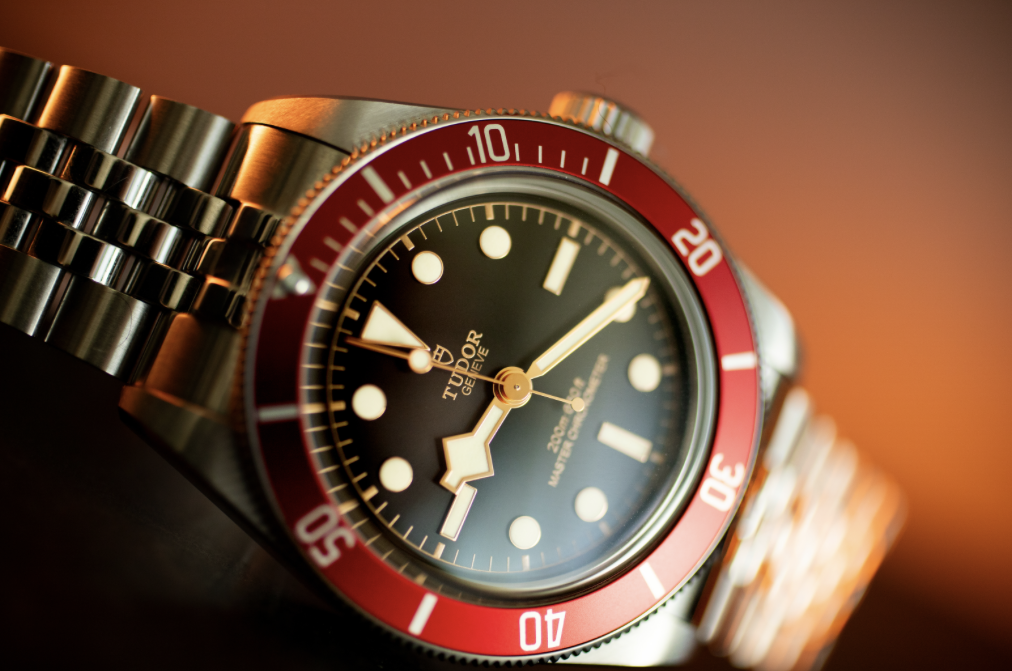
Water resistance is another non-negotiable feature for the versatile traveller. Even if you don't plan on professional diving, a rating of at least 100 metres provides peace of mind during unexpected tropical downpours or spontaneous swims in a hidden cenote. Luminous markers are also essential, providing high visibility in low-light conditions—whether you are checking the time in a darkened aircraft cabin or navigating a trail before sunrise.
The strap choice can also drastically change the functionality of your watch. While a stainless steel bracelet offers a polished, professional look, a NATO or rubber strap is often more practical for humid climates or water-based activities. The beauty of a high-quality watch is its versatility; many models allow you to swap straps easily, effectively giving you multiple looks for different segments of your journey.
From the Ocean Depths to the Highest Peaks
History is filled with stories of watches that have served as critical survival tools. Sir Edmund Hillary famously carried a Rolex to the summit of Everest in 1953, while the Omega Speedmaster became the "Moonwatch" after being flight-qualified by NASA for the Apollo missions. These are not just stories of brands; they are stories of human ambition and the reliable tools that made those ambitions possible.
In the modern era, the "field watch" remains one of the most popular choices for hikers and backpackers. Originally designed for military use, these watches are defined by their simple, highly legible dials and rugged cases. They are built to withstand abuse and still keep perfect time. On the other end of the spectrum, the "dive watch" offers a level of technical over-engineering that makes it one of the most resilient styles available. With unidirectional rotating bezels and heavy-duty seals, dive watches are designed to survive the harshest environments on Earth.
Selecting a piece with this kind of heritage adds a layer of depth to your own adventures. It is a reminder that you are part of a long lineage of wanderers and explorers who valued precision and reliability above all else. A watch is a constant in an unpredictable world, a small piece of perfection that stays with you through every time zone and every milestone.
Investing in Your Future Legacy
Buying a luxury watch is an exercise in long-term thinking. Unlike fast-fashion accessories that lose their appeal after a single season, a well-chosen timepiece retains its value and often becomes an heirloom. When making your selection, look for brands with a documented history of excellence and a commitment to ethical craftsmanship.
Many leading watchmakers now participate in global sustainability initiatives, ensuring that the metals and gemstones used in their creations are sourced with social and environmental integrity. This transparency is vital for the modern traveller who wants their luxury purchases to reflect their own ethical standards. Choosing a model with a timeless design ensures that it will remain relevant as fashions change, providing a constant link to your own history of achievement and exploration.
Whether you are rewarding yourself for a successful year or seeking a gift to mark a significant life event, the process of selection should be as deliberate as the planning of a great expedition. It is about finding a balance between the precision of the present and the legacy of the future.