The Travel Companion You Wear On Your Wrist: Why A Proper Watch Belongs On Every Trip
There is a particular kind of silence that only happens when you are travelling. The plane has landed, the taxi has pulled away and you are suddenly somewhere else, watching the light and the people and the traffic move in ways that are not quite familiar. Your phone is still in your pocket. Your watch is already working.
You can check the time on anything these days, but a good watch does something different. It becomes part of the story. It is in the airport photos, the café shots, the quick picture you take from the hotel balcony before you go out. Years later, that same watch can pull an entire trip back into focus with a single glance.
That is why more travellers are quietly leaving the smartwatch at home and putting one well chosen mechanical watch on their wrist instead.
Why a real watch beats another screen when you travel
Travel is already screen heavy. Boarding passes live in apps. Maps, messages and bookings all fight for space on your phone. A smartwatch adds another layer of notifications you do not need.
A mechanical watch is a relief from that. It does one job perfectly. You raise your wrist on a crowded metro platform and you get the time instantly, no face recognition, no swiping, no alerts trying to drag you back into everyday life. It works when your phone dies. It works when you are tired and jet-lagged and only half awake waiting for a train at sunrise.
The best travel watches are not delicate ornaments. They are designed to survive real life. Look at many of the classic pieces from brands like OMEGA and you will see where they came from. Dive watches used at sea. Tool watches worn by people who actually crossed time zones long before budget airlines existed. Modern pre-owned OMEGA watches keep that same spirit. They are built to shrug off bumps, sudden rain and the occasional swim, which is exactly what you need when you are miles from home.
Why pre-owned makes sense for people who like to move
Walk past a big-name watch boutique in any major city and it is easy to feel that serious watches are only for people who never look at their bank balance. The prices in the window are real. The good news is that there is another route in.
Buying pre-owned changes the equation completely. You are still getting steel or titanium cases, sapphire crystals and proper automatic movements. Someone else has simply been the first owner and has taken the initial hit of buying new. The watch on your wrist in Lisbon, Tokyo or Cape Town looks exactly the same.
Pre-owned also opens doors to more interesting references. Older versions of dive watches with just the right shade of blue on the bezel. GMT watches that have already followed someone else across borders and are ready for a second round. Sizes and designs that brands have quietly moved away from, but which still work perfectly for actual travel.
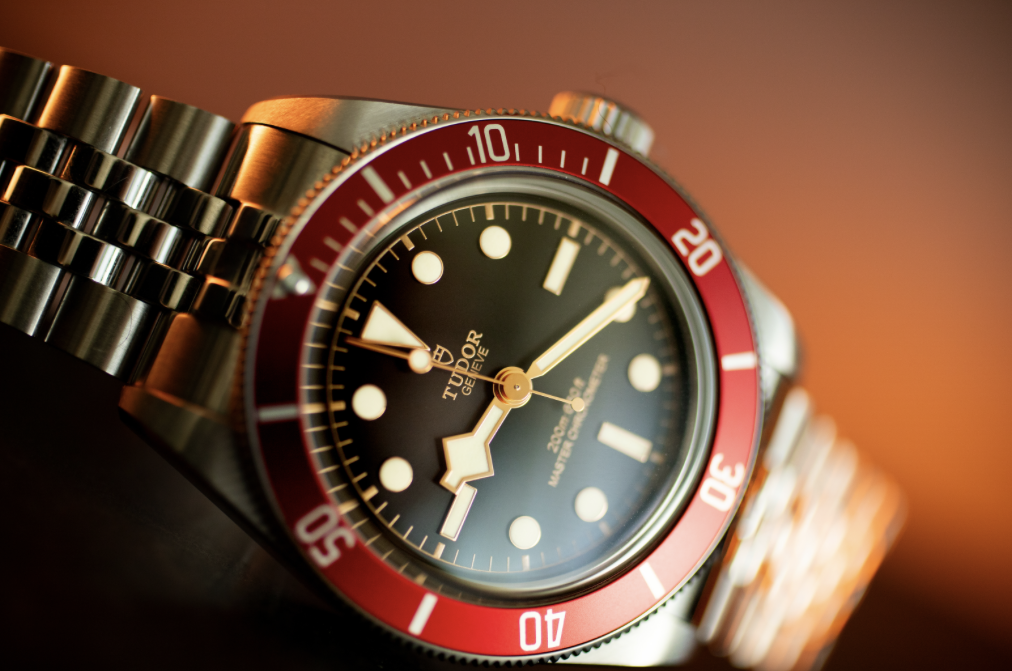
If you prefer your watches a little more understated but still tough enough for anything, pre-owned TUDOR watches are worth a serious look. They have the right mix of old-school tool watch character and modern reliability, so they feel equally at home in an airport lounge or on a beach.
The kind of watch that actually works on the road
The perfect travel watch is not necessarily the most expensive one. It is the one you trust enough to put on in the morning without thinking about it again.
That usually means sensible proportions, proper water resistance and a clear dial. You do not want something that catches on jacket cuffs, camera straps or rucksack straps every time you move. You do want to be able to read the time in a dim station or on a night bus at a glance.
Sportier chronographs, the kind that brands like TAG Heuer have built their reputations on, slot into that space neatly. A pre-owned TAG Heuer watch can handle road trips, city breaks and the kind of long days where you start with breakfast in one country and go to sleep in another. They look right with a T-shirt and trainers when you are exploring, and they still work when you change into something smarter for a late dinner.
Straps matter too. Steel bracelets are brilliant for hot, humid cities and beach destinations, while leather works best for cooler trips and city breaks. The beauty of mechanical watches is that you can swap straps in minutes. One watch, two or three looks, and you are covered.
Turning a journey into something you can wear
Most souvenirs end up in drawers. Mugs, magnets and printed T-shirts might feel essential in the moment, but they rarely last. A watch bought around a particular trip behaves differently. It is there while you run for the last train. It ticks away quietly during long bus rides and lazy lunches. It sees suncream, rain, strong coffee and stronger cocktails.
Back home, it carries all of that with it. You check the time between meetings and suddenly remember an alleyway in a city whose name you have not said out loud in months. A tiny scratch on the clasp reminds you of a clumsy moment climbing a set of stone steps to see a view. It becomes a private record of where you have been.
Buying pre-owned makes it easier to justify that kind of souvenir. You are not throwing your budget at something that will halve in value as soon as you leave a boutique. You are putting it into a watch that already has a real market and can often hold its worth surprisingly well.
If you like the idea of tying particular years or journeys to specific pieces, it is worth keeping an eye on the latest drops in the New Arrivals section of MVS Watches. Limited production runs, special dial colours or small design tweaks can make a watch feel like it belongs to a certain moment in time without shouting about it.
Why the watch matters long after the trip ends
Travel is always a mix of big memories and small details. You remember the mountain, but you also remember the smell of a bakery, the sound of a tram or the way a stranger helped you when you were lost.
A good watch joins that collection of details. It is not the main reason you went anywhere, but it quietly anchors the experience. In ten years you might forget which hotel you stayed in, but you will still be able to say “I bought this on that trip” or “This is the watch I wore when we finally got to go back there.”
Phones change. Apps die. Photos get buried in cloud storage. The right watch just keeps ticking, waiting for the next flight, the next train, the next time you find yourself in that particular kind of travel silence, somewhere new, already on the move again.