Nafplio: The Greek Town That Rewards the Traveler Who Wanders Off Schedule
Some places announce themselves loudly. Nafplio does the opposite. Tucked into the northeastern corner of the Peloponnese, this small harbor town doesn't shout for attention, and that restraint is precisely what makes it one of the most quietly rewarding destinations in Greece. Travelers who arrive expecting a checklist tend to leave a little confused. Travelers who arrive ready to wander leave a little in love.
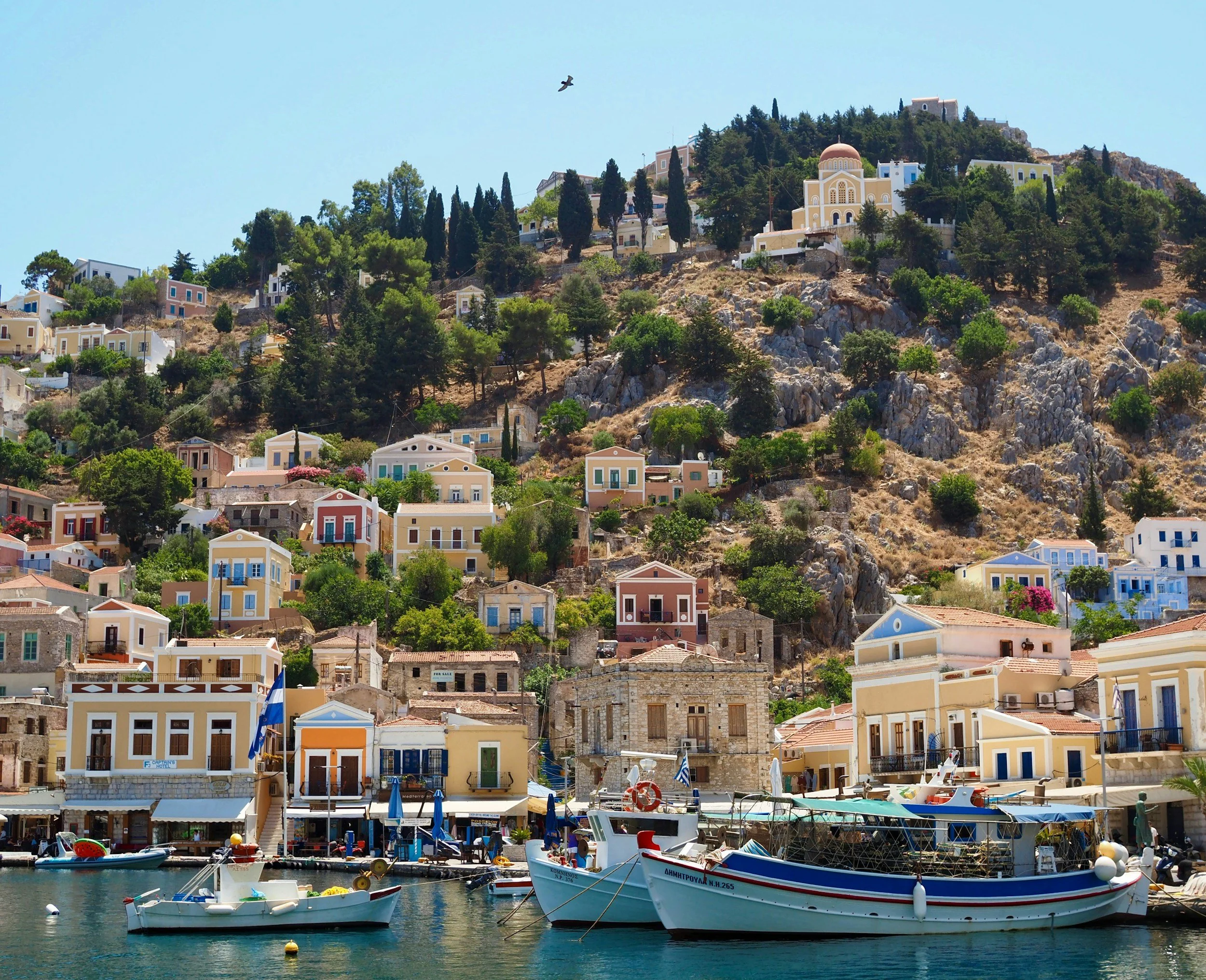
I've come to think of Nafplio as a test of what kind of traveler you actually are. It doesn't hand you a single blockbuster attraction and demand you photograph it. Instead it offers a dense, walkable old town of Venetian facades, marble streets worn smooth by centuries, bougainvillea spilling over balconies, and three separate fortresses keeping watch over it all. The pleasure here is cumulative. It builds as you drift.
A town shaped by everyone who wanted it
Part of what gives Nafplio its layered character is how many powers coveted it. Venetians, Ottomans, and finally the Greeks themselves all left fingerprints on the place. For a brief, consequential period after independence, this was the capital of the modern Greek state, before Athens took the title. That history isn't cordoned off behind ropes. It's baked into the architecture, the street plan, the fortifications, and the general sense that you're walking somewhere that mattered far more than its size suggests.
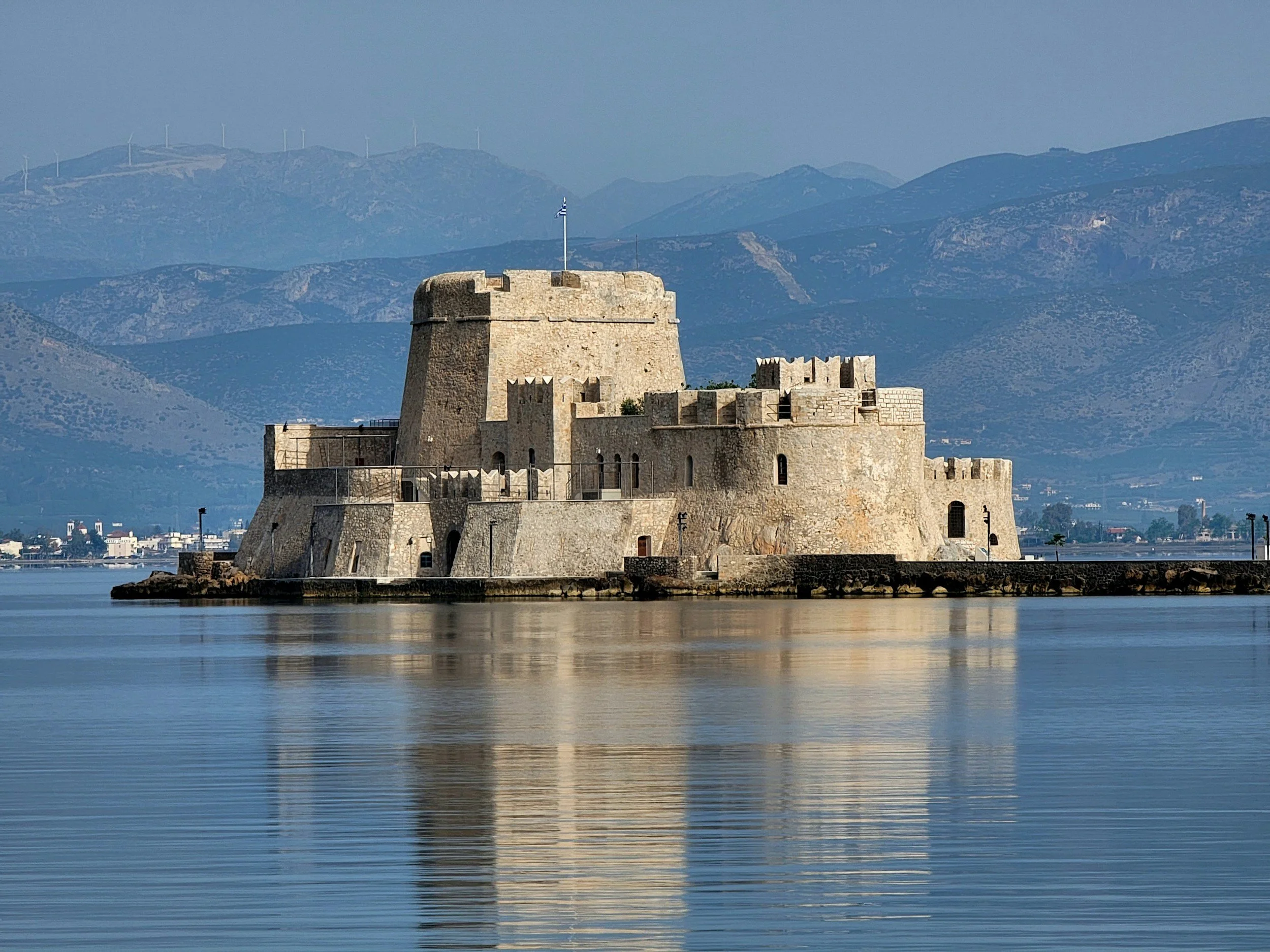
The most famous of its fortresses, Palamidi, sits high above the town, reachable by a staircase whose step count is the subject of cheerful local exaggeration. Whatever the true number, the climb earns you a panorama that recalibrates your whole sense of the place. From up there the red rooftops, the little fortified islet in the bay, and the mountains folding into the distance all resolve into one composed, almost painted scene.
Why a base here beats a rushed drive-through
The mistake many visitors make is treating Nafplio as a lunch stop between bigger names. That's backwards. The town works far better as a base than as a detour, because the surrounding region is thick with sites that deserve unhurried attention: ancient theatres with acoustics that still astonish, Bronze Age citadels, temples, and coastline. Setting up here for a few nights and radiating outward is the way to do it properly.
This is exactly why organized tours from Nafplio make so much sense for people who'd rather not wrestle with rural driving and parking. You keep a comfortable, characterful base and let someone else handle the logistics of reaching the harder-to-navigate ancient sites scattered across the Argolid. The town becomes your living room and the whole region becomes your day trips.
The food, which deserves its own paragraph
Let's be honest about a truth every seasoned traveler knows: a destination lives or dies partly on how well it feeds you. Nafplio feeds you very well. The town punches enormously above its weight when it comes to dining, from tavernas serving Peloponnesian classics to more inventive kitchens playing with local ingredients, plus an almost comical density of gelato and dessert spots that make the evening stroll dangerous for anyone with a sweet tooth.
Rather than wander in hungry and hopeful, it pays to know where to aim. A curated rundown of the best restaurants in Nafplio saves you from the tourist-trap tables near the busiest squares and points you toward the places locals actually rate. In a town this walkable, the difference between a forgettable meal and a memorable one is often just a two-minute walk you didn't know to take.
The art of doing less
Here's the counterintuitive advice I give anyone heading to Nafplio: schedule less than you think you should. The town rewards aimlessness in a way that few destinations do. Some of my most vivid memories of the place are of things I never planned, an espresso at a tiny café where the owner insisted on explaining the town's history, a sunset from the sea wall that I stumbled into by accident, a shop selling worry beads whose maker talked me through the craft for half an hour.
None of that appears on an itinerary. All of it is why the place stays with people. When you over-plan, you crowd out exactly the serendipity that makes independent travel worth doing in the first place. Nafplio is small enough that you can afford to get slightly lost, and interesting enough that getting lost is a feature rather than a bug.
Practical rhythm for a Nafplio trip
If I were designing an ideal few days, it would look loose on purpose. Mornings for the bigger excursions out into the region, when the light is kind and the ancient sites are quiet. Middays for a long, unhurried lunch and a retreat from the heat. Late afternoons for the old town itself, when the marble streets glow and the crowds thin. Evenings for the harbor, the food, the slow drift from one spot to the next with no particular destination.
Build in at least one day with nothing scheduled at all. That's the day you'll end up talking about later.
Who this town is really for
Nafplio isn't for the traveler chasing a single iconic shot to prove they were somewhere. It's for the traveler who understands that atmosphere is a destination in its own right, that the accumulation of small, unhurried pleasures often outweighs any headline attraction. It's for people who like their history woven into daily life rather than sealed behind glass, who measure a trip by how a place felt rather than how many boxes they ticked.
Greece has louder destinations. It has bigger ones, and more famous ones, and ones that will fill your camera roll faster. But few reward the unhurried, curious traveler as generously as this small harbor town in the Peloponnese. Give it more time than you think it needs, wander further than you planned, eat where the locals eat, and let the place do what it does best, which is quietly win you over while you're not paying attention.
Come for a day and you'll wish you'd stayed for three. Stay for three and you'll start plotting how to return.