The Digital Nomad's Guide to Living in Tokyo
So you're thinking about packing up your laptop and heading to Tokyo? I get it. After spending three months working remotely from Japan's capital, I can tell you it's one of those cities that gets under your skin in the best possible way.
But before you book that one-way ticket, let's talk about what it really takes to set up shop as a digital nomad in the world's largest metropolis.
Japan’s Digital Nomad Visa
Japan finally joined the digital nomad party in March 2024, and while their new visa isn't exactly a free-for-all, it's opened doors that were previously closed to remote workers. Here's the deal: you can now legally work remotely in Japan for up to six months. The catch? You need to be earning at least 10 million yen annually (that's about $65,000 USD).
Yeah, I know. That's steeper than most countries require. Some people are calling it the "digital nomad visa for the rich," and they're not entirely wrong. But if you meet the requirements, the application process is actually pretty straightforward:
What you'll need:
Proof of that $65,000+ annual income
Health insurance covering at least 10 million yen
A valid passport (obviously)
Documentation showing your remote work arrangement
About 6 weeks of patience for processing
The visa isn't renewable, but here's a workaround: after your six months are up, leave Japan for another six months, then you can apply again. Not ideal if you're looking to settle down long-term, but perfect if you want to test the waters.
The Real Cost of Living in Tokyo
Let me bust a myth right away: Tokyo isn't as wallet-destroying as everyone makes it out to be. I spent between $1,500-2,000 per month living comfortably, and that included eating out regularly, taking the metro everywhere, and yes, the occasional karaoke night.
Here's a realistic monthly budget breakdown:
Accommodation: $600-1,200 (depending on location and type)
Food: $400-750
Transportation: $100-150
Coworking space: $200-600
Entertainment/misc: $200-400
The biggest surprise? Food can be incredibly affordable if you know where to look. My cheapest meal was a steaming bowl of soba for just $4 at a tiny local spot. Even good sushi for two rarely exceeded $50.
Finding Your Tokyo Home Base
This is where things get tricky. As a foreigner on a short-term visa, you're somewhat limited in your housing options. Traditional apartment rentals often require a Japanese guarantor and can involve hefty upfront costs (we're talking key money, deposit, agency fees, and sometimes "gift money" to the landlord).
For digital nomads, your best bets are:
Share houses: Social, affordable, and foreigner-friendly
Monthly mansion rentals: Furnished apartments with flexible terms
Coliving spaces: Growing in popularity, combining accommodation with coworking
Extended stay hotels: More expensive but hassle-free
When searching for apartments in Tokyo, look for platforms that actually cater to foreign residents and offer properties without the usual guarantor requirements. Most listings include furniture and utilities, which saves you from the nightmare of setting up internet and electricity accounts in Japanese.
Neighborhoods Where Digital Nomads Want to Live
Forget what you've heard about Shibuya and Shinjuku being the only places worth living. Tokyo's real charm lies in its lesser-known neighborhoods:
Koenji: Hipster paradise with vintage shops, live music venues, and affordable rent. Perfect if you want that artsy vibe without the Shimokitazawa price tag.
Nakano: Just one stop from Shinjuku, but it feels like a different world. Great food scene, reasonable prices, and home to the otaku paradise that is Nakano Broadway.
Kichijoji: Consistently voted as Tokyo's most desirable neighborhood by locals. It's got Inokashira Park for your nature fix and enough cafes to work from a different one every day.
Asakusa: If you want traditional Tokyo vibes, this is it. Temple visits before your morning coffee? Check. Surprisingly affordable? Also check.
The Coworking Scene
Tokyo's coworking game is strong, though prices can make your eyes water. WeWork alone has over 20 locations, but at $600+ per month, it's not exactly budget-friendly. Here are some alternatives that won't break the bank:
Impact Hub Tokyo: Around $260/month, great community of international entrepreneurs
BLINK Smart Workspace: Starting at $200/month, trendy and well-located
Yahoo Lodge: Free coworking space (yes, really) but limited hours
Pro tip: Many cafes are laptop-friendly, especially chains like Pronto and Excelsior. Just buy a coffee every couple of hours and you're golden.
Daily Life Hacks for Tokyo Nomads
Transportation: Get a Suica or Pasmo card immediately. Better yet, add it to your phone. The metro stops at midnight (seriously), so plan accordingly or budget for expensive taxis.
Language Barrier: It's real. Download Google Translate and the Yomiwa app for reading kanji. Learn at least "sumimasen" (excuse me) and "arigato gozaimasu" (thank you) - you'll use them constantly.
Banking: You can't open a Japanese bank account on a tourist visa or a digital nomad visa. Wise or Revolut cards are your friends here.
Internet: Pocket WiFi rentals run about $50-80/month. Most accommodations include internet, but speeds are generally excellent everywhere.
Healthcare: Your required insurance should cover you, but know that many clinics don't speak English. Tokyo Medical and Surgical Clinic in Shibuya is expat-friendly but pricey.
The Social Side of Nomad Life
Tokyo can feel isolating at first. Japanese culture values privacy and personal space, which is great when you need to focus, but challenging when you're trying to make friends. Here's how to build your network:
Meetup.com: Tons of events daily, from language exchanges to tech talks
Tokyo Digital Nomad Facebook group: Active community, regular meetups
HUB bars: The go-to spot for after-work drinks with locals and expats
Language exchange apps: HelloTalk and Tandem are popular
Working Effectively in Tokyo
The productivity struggle is real when you're surrounded by endless distractions. My advice? Establish routines quickly. Find your go-to workspace, whether it's a coworking spot or that perfect cafe in your neighborhood.
Time zones can be tricky if you're working with Western companies. Tokyo is 14-17 hours ahead of US time zones, which often means late-night or early morning calls. Factor this into your neighborhood choice - you don't want to be in a paper-thin-walled sharehouse if you're on calls at 11 PM.
Is Tokyo Right for You?
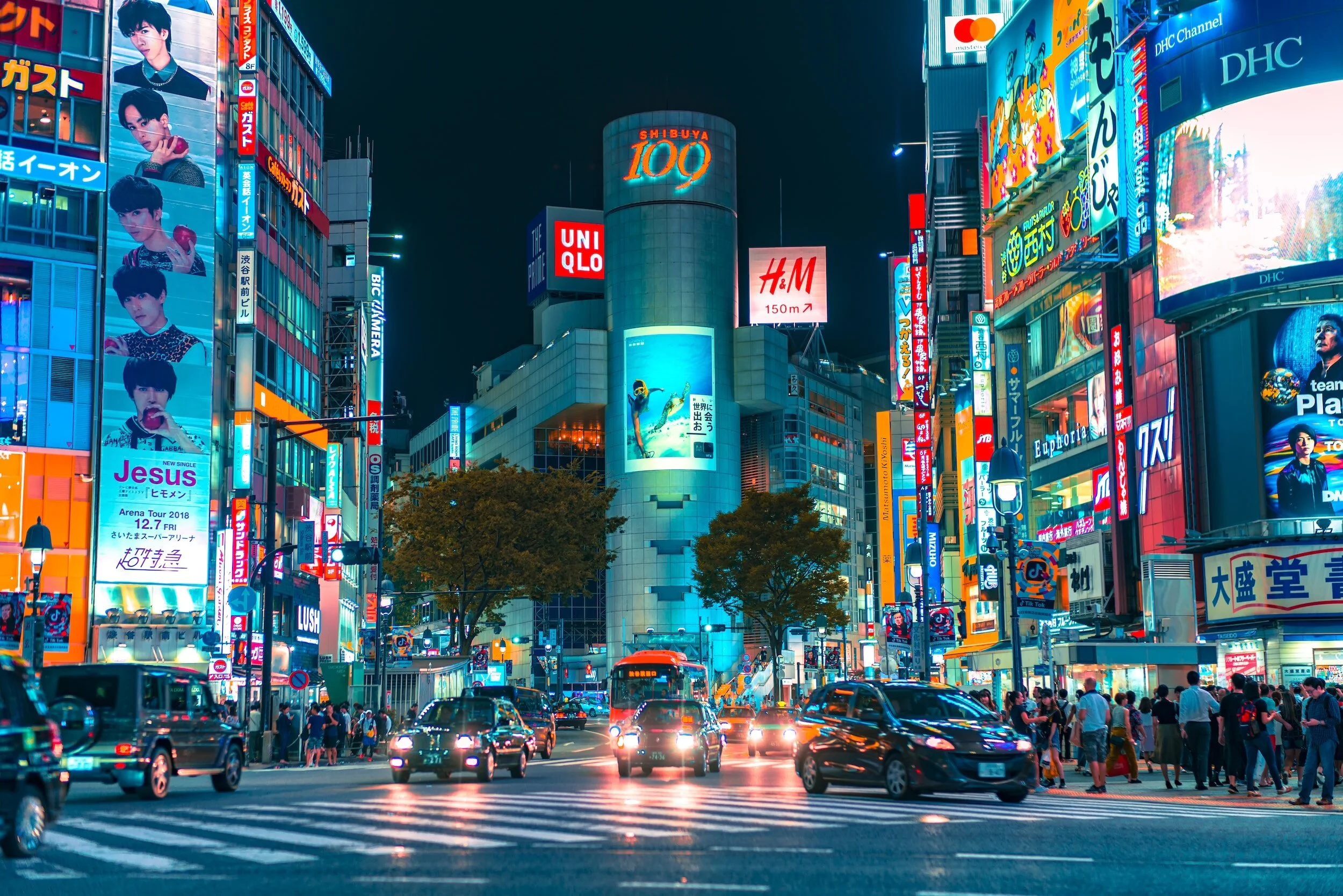
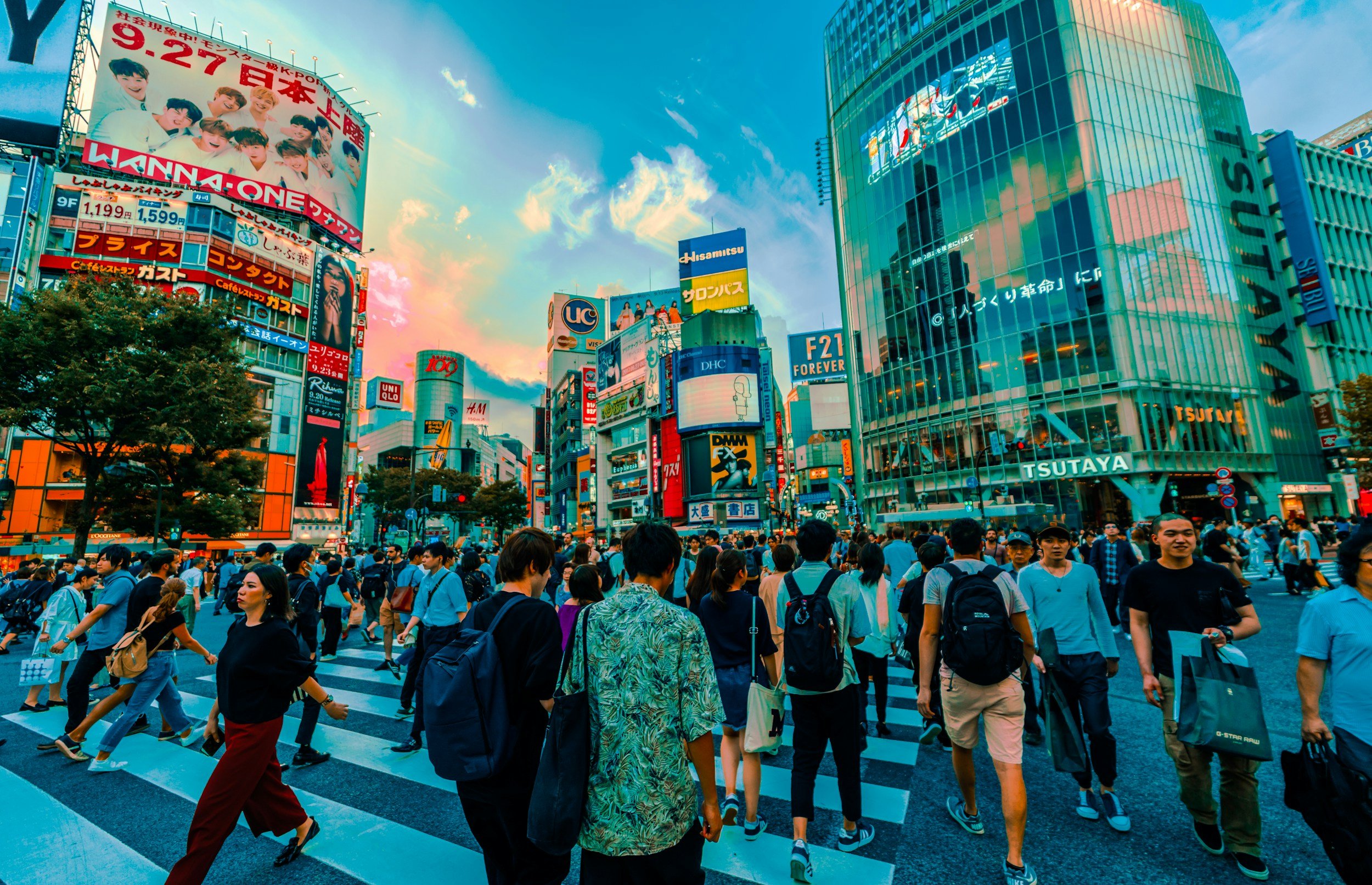
Living in Tokyo as a digital nomad is an exercise in contrasts. One day you're meditating in a serene temple garden, the next you're navigating the organized chaos of Shibuya crossing. It's expensive but manageable, isolating yet vibrant, traditional yet futuristic.
The city rewards those who dig deeper. Skip the tourist traps and find your local izakaya. Learn which convenience store makes the best egg sandwiches (it's 7-Eleven, fight me). Discover that perfect quiet spot in Yoyogi Park for your weekend coding sessions.
The digital nomad visa has its limitations, sure. Six months isn't long enough to really settle in, and the income requirements exclude many freelancers and startup founders. But if you can make it work, Tokyo offers something unique: a chance to immerse yourself in a culture that somehow manages to be both completely foreign and surprisingly comfortable.
Just remember: the last train really does stop at midnight, convenience store food is surprisingly good, and yes, you'll probably end up staying longer than you planned. Tokyo has a way of doing that to people.
Ready to take the plunge? Start with the visa application, line up your accommodation early, and prepare for an adventure unlike anywhere else. Tokyo is waiting, and trust me, your Instagram feed will thank you.