Stay Safe: What You Need to Know About Truck No-Zones
When you're driving near a large truck, it's easy to forget just how different their experience is from yours. An expert truck accident lawyer points out that these massive vehicles have blind spots so large they can easily hide an entire car, which is why “no-zones” matter so much. If you don't know what a truck no-zone is, you're not alone—but learning about them could save your life. Whether you're commuting daily or planning a road trip, understanding these danger zones is a must for every motorist.
What Are Truck No-Zones?
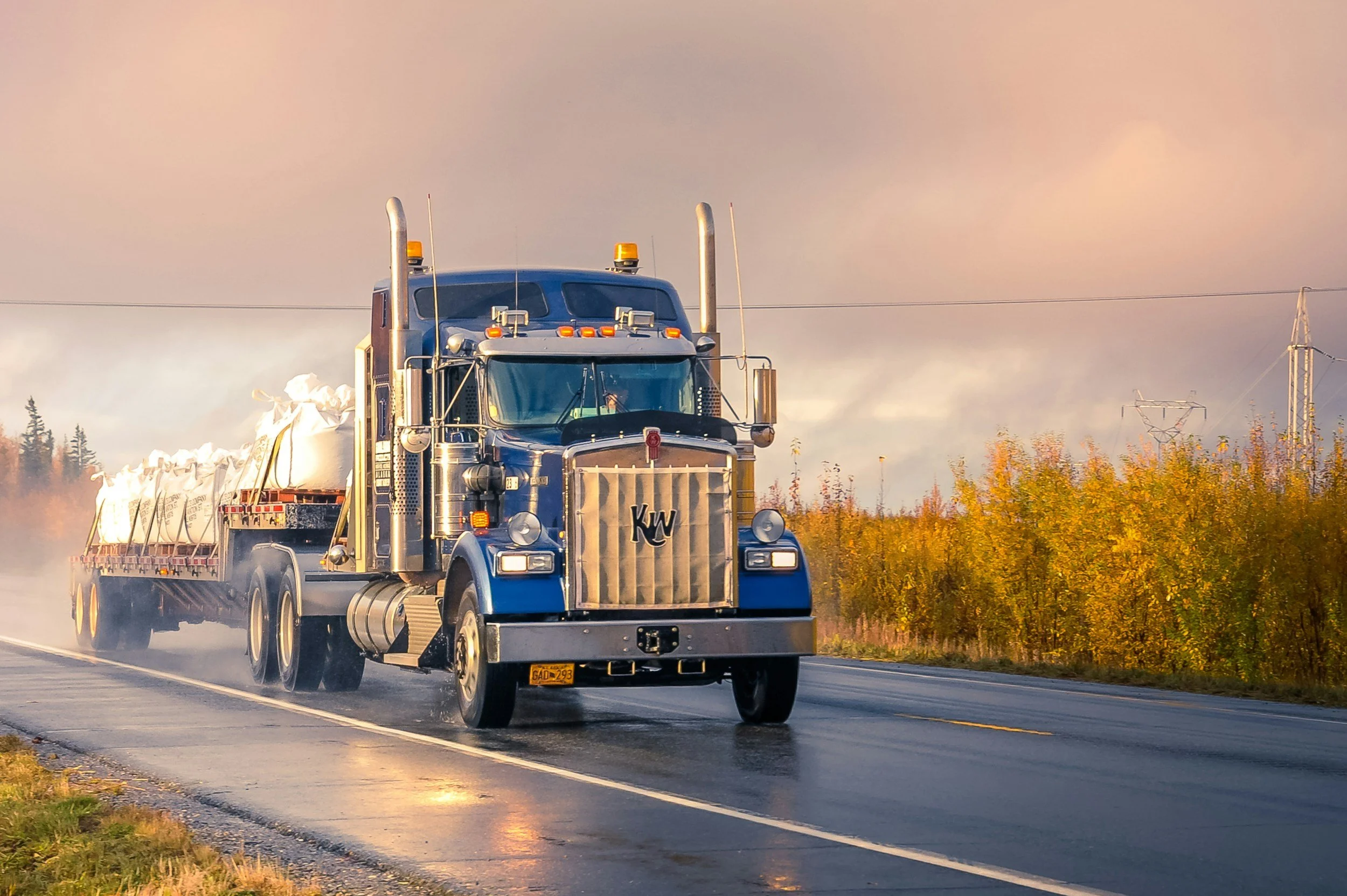
Truck no-zones are the large blind spots around commercial trucks where the truck driver cannot see other vehicles. Unlike smaller vehicles that have minimal blind spots, trucks have limited visibility on all four sides. These areas can easily trap unsuspecting drivers, leading to dangerous accidents if the truck changes lanes or turns.
There are four main no-zones to be aware of:
1. The Side No-Zones: These are the blind spots located along both sides of the truck, particularly on the right side. The no-zone on the right side can span two or more lanes. If you can't see the driver in the truck's side mirror, chances are they can’t see you either.
2. The Rear No-Zone: Tailgating a truck is incredibly risky. Large trucks typically don’t have a rearview mirror, unlike passenger cars. If you’re following too closely, you disappear from the truck driver's view completely.
3. The Front No-Zone: You may not think the front of a truck has a blind spot, but it does. Trucks need significantly more distance to stop, and if you cut in front of one too closely, the driver might not be able to slow down in time.
4. The Wide Turn No-Zone: Trucks often swing wide to the left to make right turns. Drivers who try to squeeze by on the right may find themselves in a deadly trap as the trailer swings back toward the curb.
Why Do No-Zones Matter?
These blind spots are more than just an inconvenience; they pose a significant risk. They are a major cause of fatal crashes involving large trucks. According to the Federal Motor Carrier Safety Administration (FMCSA), a substantial number of truck-related accidents are caused by drivers entering no-zones.
Truck drivers are trained to check mirrors often, but even the best professional can’t see what’s completely hidden. And with trucks weighing up to 80,000 pounds, any collision can have devastating consequences. A typical car doesn’t stand a chance against that kind of mass in a crash.
Beyond the obvious physical danger, the aftermath of a truck accident can be complex and overwhelming. Medical bills accumulate, insurance companies become involved, and liability becomes a complex legal issue. That's why knowing how to avoid no-zones isn’t just smart—it’s essential.
How to Stay Out of the No-Zones
The best way to protect yourself is to drive defensively and stay visible. Here are a few practical tips:
Pass Quickly and Safely: Avoid lingering alongside a truck, especially on the right side. Pass on the left, and move ahead briskly.
Avoid Tailgating: Give trucks extra space in front of and behind them. If you can’t see the truck’s mirrors, assume the driver can’t see you.
Anticipate Wide Turns: Never try to squeeze between a truck and the curb when it’s turning right. Always stay back and let the truck finish maneuvering.
Be Cautious at Night or in Bad Weather: Visibility issues increase during low light or poor weather, making no-zones even more dangerous.
It’s also wise to give trucks the benefit of the doubt. They may be slower to accelerate or stop, but they require that time and space to do so safely.
What to Do If You’ve Been in a Truck Accident
Even if you’re careful, accidents still happen. If you’ve been injured in a crash involving a truck, the situation can quickly become complicated. Trucking companies often have teams of lawyers ready to protect their interests. You should, too.
A skilled personal injury lawyer can help you navigate the legal aftermath, determine liability, and ensure you receive the compensation you deserve. They’ll understand the specific regulations that apply to commercial trucks and know how to build a strong case on your behalf.
Final Thoughts: Drive Smart, Stay Safe
Being informed about truck no-zones isn’t just useful—it could be life-saving. These massive blind spots present real dangers, but with a bit of knowledge and defensive driving, you can minimize your risk. Share the road responsibly, stay visible, and never assume a truck driver can see you. If you or a loved one has been injured in a truck-related accident, don’t wait. Contact an experienced truck accident lawyer today to protect your rights and explore your legal options.