How Are Modular Storage Units Reshaping the Way We Think About Space?
In an era defined by flexibility and rapid change, traditional notions of space—how we use it, design it, and store within it—are being challenged like never before. Whether in business, construction, retail, or residential settings, people are turning to more dynamic solutions to meet evolving spatial needs. One of the most transformative innovations leading this change is the rise of modular storage units.
Modular storage units are not just about storing things more efficiently; they’re reshaping how we think about space itself. These units offer adaptability, scalability, and mobility—key features that traditional brick-and-mortar storage structures often lack. As lifestyles and business models shift toward mobility and agility, modular units provide an answer to spatial limitations without requiring permanent construction or major financial investment.
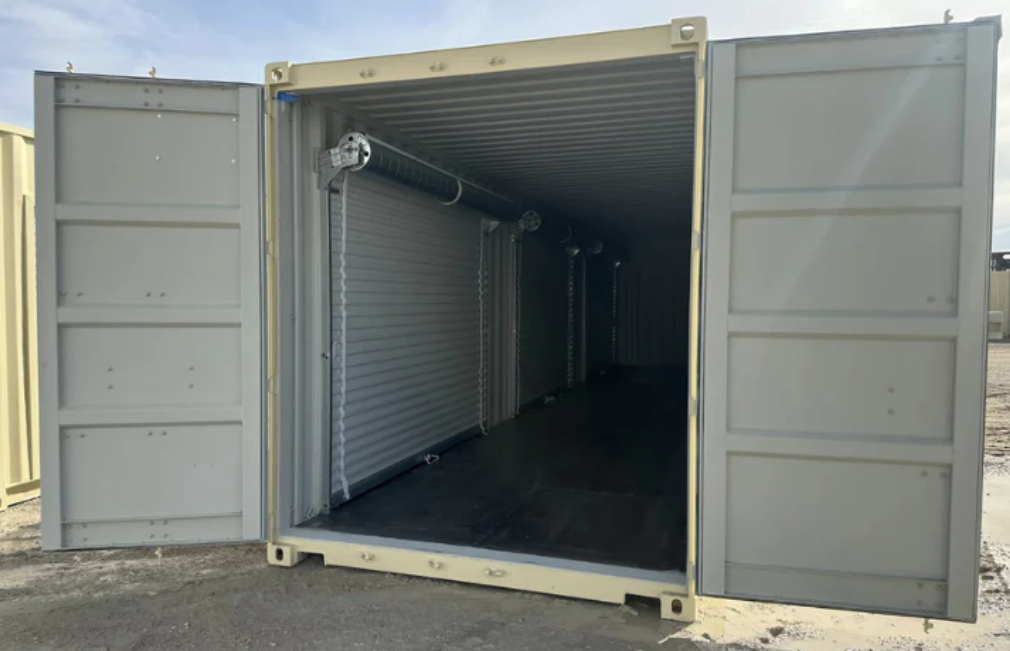
One notable example is the increasing popularity of 40 foot storage containers with roll up doors These large, durable units provide ample space while remaining easy to access and relocate. The roll-up doors, in particular, offer convenience for frequent use, making them ideal for industries like construction, retail, agriculture, or even disaster response, where rapid access to equipment or inventory is essential.
What makes modular storage so impactful is its inherent versatility. These containers can be placed virtually anywhere—on a job site, behind a retail store, at a farm, or next to a school—and immediately serve a practical purpose. Need more space? Simply add another unit. Unlike traditional expansion, there’s no need for long permitting processes, heavy construction equipment, or permanent alteration to the property.
Businesses are using them not just for storage, but as mobile offices, pop-up shops, or temporary workspaces. In cities where space is at a premium, these containers are being repurposed into mini-distribution centers or micro-warehouses to support last-mile logistics. For individuals, modular units provide a secure and weatherproof way to declutter, store seasonal items, or protect valuables during home renovations.
Sustainability is another driving force behind the modular storage movement. Many containers are repurposed from the shipping industry, extending their lifecycle and reducing the need for new construction materials. This repurposing aligns with broader environmental goals while providing a practical solution to space management.
Security and durability are also major advantages. 40 foot storage containers with roll up doors are typically made from heavy-duty steel and designed to withstand harsh weather conditions. This makes them not only a reliable solution for short-term storage needs but also a long-term investment in space flexibility.
As we continue to rethink how we interact with our environments—especially in a post-pandemic world where remote work, e-commerce, and space-conscious living have become the norm—modular storage units offer a compelling path forward. They allow us to expand, adapt, and evolve our spaces without being locked into permanent or expensive solutions.
In the end, modular storage isn’t just about storing more—it’s about thinking differently. It's a reflection of a more agile, space-smart world that values convenience, adaptability, and innovative thinking.