How Pilates Instructor Training in Sydney Can Shape a Rewarding Career
For people who love movement, wellbeing and helping others, undertaking formal training as a Pilates instructor can be a fulfilling professional path. Individuals seeking quality education often look to Pilates instructor courses in Sydney with Polestar Pilates because these programs offer comprehensive study, expert guidance and industry-recognised outcomes. Becoming a certified instructor involves more than learning exercises. It requires understanding human movement, anatomy, cueing technique, client communication and professional practice, all of which are grounded in structured training.
Why Choose Instructor Training in Pilates
Pilates is a movement system that enhances strength, flexibility, alignment and body awareness. It appeals to a broad range of people, including athletes, dancers, older adults and those rehabilitating from injury. As interest in mindful exercise grows, so does the demand for instructors who combine technical skill with thoughtful communication and safe teaching practices.
Engaging in formal training allows aspiring instructors to deepen their knowledge of Pilates principles, develop confidence in teaching others and establish a foundation for a sustainable career. Structured courses also provide opportunities to network with peers and mentors and build a professional portfolio that supports future employment or business ventures.
What Makes Polestar Training Stand Out
Programs designed for Pilates education vary in depth, scope and pedagogical approach. Courses offered through established education providers prioritise evidence-based learning, movement science and practical teaching skills. In Sydney, students choosing Polestar Pilates courses benefit from a curriculum that emphasises both theory and practice, ensuring graduates understand not only what to teach but why exercises work.
Instructor training covers anatomy, biomechanics, movement assessment, class sequencing, modifications for diverse populations and professional ethics. This well-rounded education helps instructors support clients with confidence and adapt sessions to individual needs.
Who Should Consider Becoming a Pilates Instructor
Pilates instructor training suits people from a variety of backgrounds. Fitness professionals who want to expand their offerings may pursue certification to enhance their skill set. Physiotherapists, exercise physiologists and allied health practitioners often use Pilates knowledge to inform clinical practice or adjunct programming. Individuals with a personal love of movement and a desire to teach may also find this training aligns with their passion.
Prospective students should be prepared for both classroom-based study and hands-on practice. A willingness to engage actively with peers, ask questions and reflect on personal movement patterns enriches the learning experience.
Core Components of Instructor Education
Pilates instructor education blends academic study with practical application. Students learn foundational concepts of movement and apply them in real-world teaching scenarios.
Anatomy and biomechanics form the scientific backbone of training. Understanding how muscles, joints and connective tissues interact during Pilates exercises allows instructors to cue movements safely and effectively. This knowledge also supports assessment of clients and the design of appropriate progressions.
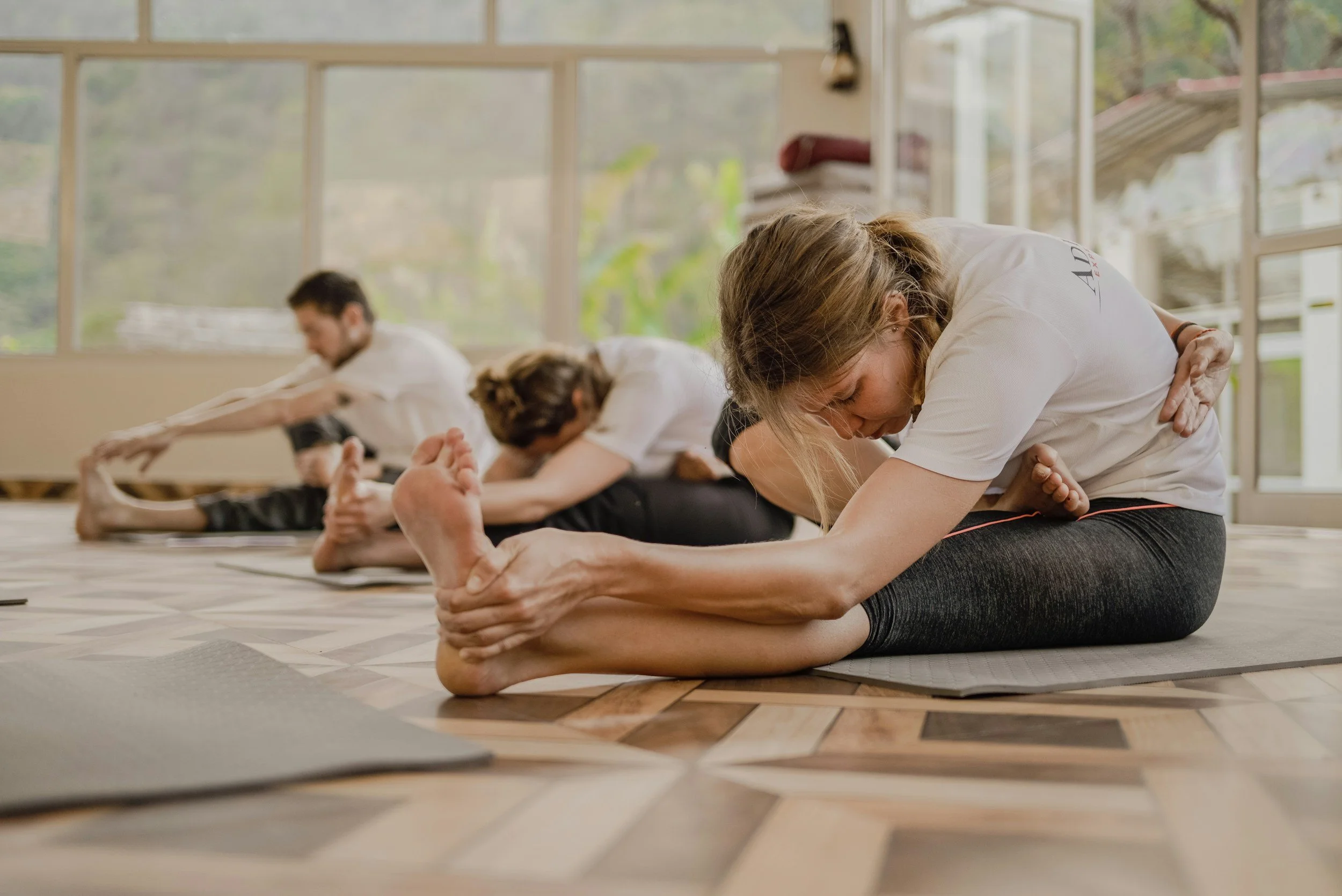
Practical teaching skills are developed through supervised practice. Students learn how to communicate cues clearly, manage group dynamics, demonstrate exercises and provide modifications. Observing and being observed during practice builds confidence and refines instructional technique.
Professional practice sessions help students understand business considerations such as client intake, class planning, ethics, communication skills and maintaining professional boundaries. These elements prepare graduates not just to teach, but to manage a responsible Pilates practice.
The Training Journey: From Classroom to Certification
Most Pilates instructor courses follow a phased journey. Initial modules focus on theory and movement foundations. Students learn core principles such as centring, breath, control, concentration, precision and flow, which are central to Pilates methodology. These principles guide the execution of exercises and influence teaching style.
As students progress, they engage in practical teaching labs where they work with classmates in role-play and real client scenarios. Constructive feedback from instructors supports skill development. Assessment may include written tasks, movement analysis and practical demonstrations that reflect professional teaching standards.
Completion of the program leads to certification, which may be recognised by Pilates associations or industry bodies. This credential is valuable when seeking employment in studios, gyms, wellness centres or private practice settings.
Benefits of Training in a Collaborative Learning Environment
Training alongside other aspiring instructors fosters a supportive learning community. Group discussions, peer teaching and shared reflections deepen comprehension and encourage students to explore diverse perspectives. This collaborative environment mirrors the relational aspects of teaching, where communication and empathy are essential.
Mentorship from experienced educators also enhances learning. Instructors with professional experience bring real case studies, troubleshooting strategies and advice on navigating challenges such as working with clients who have injuries or movement limitations.
Career Pathways After Certification
Once qualified, Pilates instructors can pursue a range of professional opportunities. Many begin teaching classes in studios, fitness centres or corporate wellness programs. Some graduates develop a private client base, offering one-on-one sessions or small group training. Others integrate Pilates instruction into broader health and wellness careers, such as physiotherapy support, movement coaching or holistic fitness offerings.
Entrepreneurial graduates may open their own studios or deliver specialised workshops on mobility, pre- and post-natal Pilates, or athletic conditioning. With ongoing professional development, instructors can build niches that reflect their interests and strengths.
Integrating Continuous Learning Into Your Practice
The field of movement science is always evolving, and dedicated instructors embrace lifelong learning. After initial certification, many practitioners pursue advanced modules in specialised populations, apparatus training, rehabilitative Pilates or clinical applications. Staying current with research, attending workshops and engaging with professional communities strengthens credibility and enriches client outcomes.
Balancing Personal Fitness and Professional Growth
Training to become a Pilates instructor often enhances students’ personal movement awareness. Many graduates report improved strength, flexibility, posture and body confidence as they progress through their studies. This personal growth reinforces teaching authenticity and helps instructors connect with clients through shared experience. Students are encouraged to maintain their own practice throughout training, not only for technical insight but also for self-care and ongoing physical literacy.
Choosing the Right Instructor Training Path
Selecting an appropriate course requires consideration of accreditation, curriculum depth, teaching approach and support structures. Prospective students should review entry requirements, time commitments and assessment expectations. A well-structured program balances academic rigour with accessible pedagogy and professional relevance. Talking with graduates, attending information sessions and assessing alignment with career goals are useful steps in choosing the right training path.
Conclusion
Quality education is the foundation of a successful Pilates teaching career. With comprehensive instruction, practical experience and a strong understanding of movement science, students who pursue Pilates instructor courses in Sydney with Polestar Pilates are well-equipped to lead safe, engaging and effective sessions. Whether you aim to work in studios, pursue rehabilitation-informed teaching or expand your fitness career, structured training supports both personal growth and professional confidence.
Becoming a qualified Pilates instructor opens doors to diverse opportunities that promote wellbeing, movement literacy and meaningful client connection. With dedication, curiosity and quality training, you can build a rewarding career that supports others to move with strength, awareness and resilience.