Best Time of Year to Go Parasailing in Cozumel
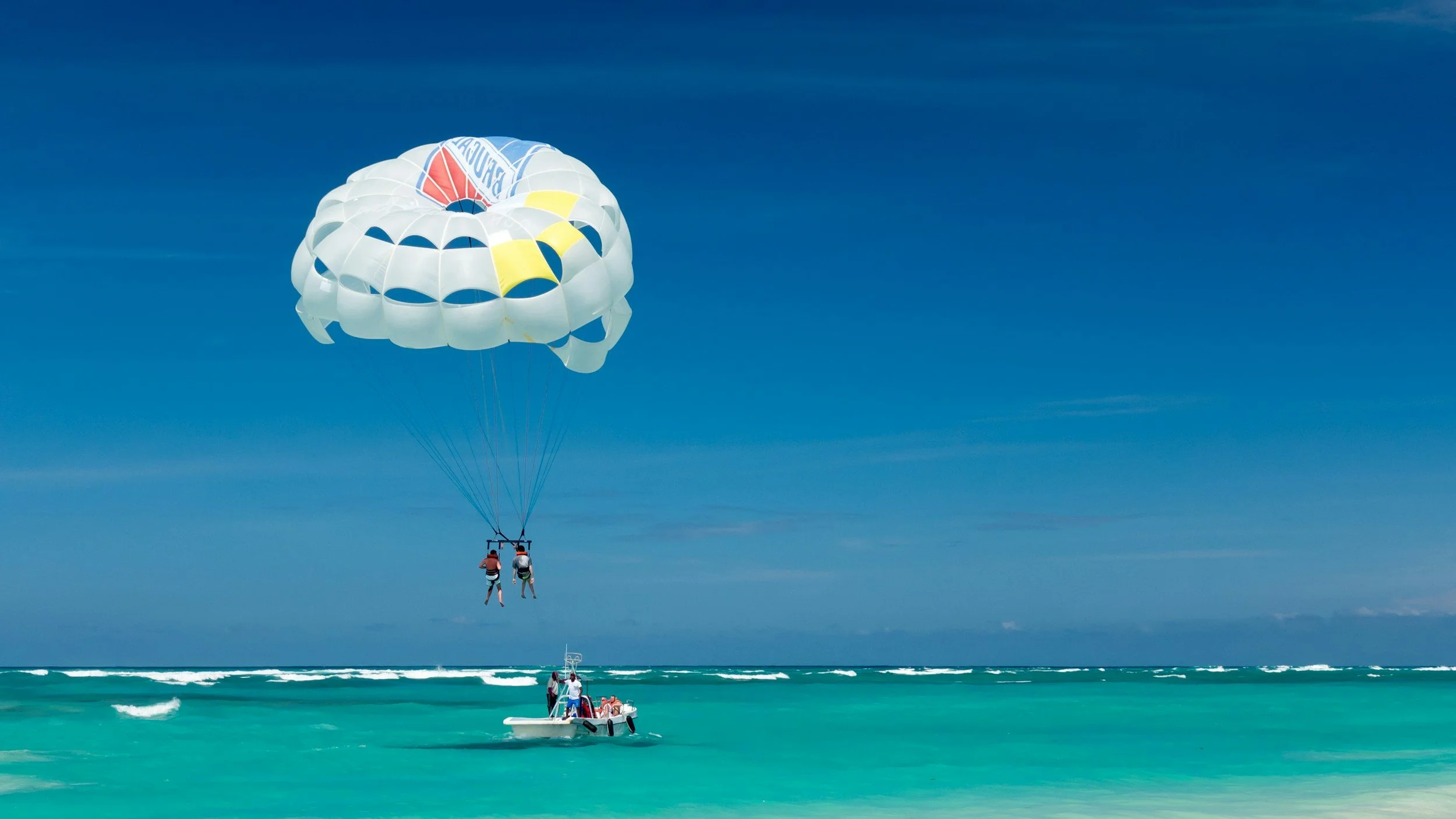
Cozumel, a Caribbean paradise nestled off Mexico's Yucatan Peninsula, offers parasailing enthusiasts an unparalleled aerial experience that combines breathtaking ocean views with heart-pumping adventure. Imagine soaring high above crystal-clear turquoise waters, feeling the warm Caribbean breeze against your skin while witnessing stunning panoramic vistas of the island's pristine coastline. However, not all seasons are created equal when it comes to the perfect parasailing conditions. Understanding the nuanced weather patterns, wind dynamics, and tourist seasons can transform a good parasailing experience into an extraordinary one. This comprehensive guide will help you pinpoint the optimal time to take flight and create unforgettable memories in one of the world's most beautiful marine destinations.
Why Weather Matters for Parasailing in Cozumel
Weather plays a critical role in determining the quality and safety of your parasailing adventure in Cozumel. The island's tropical maritime climate creates unique atmospheric conditions that directly impact parasailing experiences. Wind speed, humidity, precipitation, and temperature interact in complex ways that can dramatically affect your time in the air. Strong winds can create turbulent conditions that make parasailing challenging or even dangerous, while calm winds provide smooth, predictable flights. Humidity levels influence visibility and comfort, with certain months offering clearer skies and more comfortable temperatures. Understanding these meteorological factors helps parasailing enthusiasts select the most ideal time to enjoy this exhilarating activity, ensuring maximum safety, comfort, and visual enjoyment during their airborne journey above Cozumel's stunning marine landscape.
Best Months for Smooth and Clear Parasailing Conditions
Cozumel's parasailing enthusiasts consistently report that December through April represent the most reliable months for exceptional aerial experiences. These months constitute the dry season, characterized by minimal rainfall, consistent wind patterns, and optimal visibility. Daytime temperatures typically range between 75-85 degrees Fahrenheit, providing comfortable conditions for outdoor activities. During this period, wind speeds average between 10-15 miles per hour, creating perfect parasailing environments. Trade winds from the northeast provide steady, predictable airflow that allows professional operators to maintain excellent control during flights. Visibility during these months often exceeds 10 miles, enabling parasailers to capture stunning panoramic views of the island's coastline, coral reefs, and surrounding Caribbean waters. Professional parasailing companies prefer these months due to their reliable weather conditions and increased safety margins.
Parasailing During Peak Tourist Season vs Off-Season
Tourist seasons significantly influence parasail Cozumel experience. The peak tourist season, running from mid-December through April, offers abundant parasailing opportunities but comes with higher prices and increased competition for booking slots. During this period, multiple cruise ships dock daily, creating a bustling maritime environment with numerous adventure seekers. While availability is high, prices tend to be premium, and popular time slots fill quickly. Conversely, the off-season from May through November presents a different scenario. Lower tourist volumes mean more flexible scheduling, potentially lower prices, and more personalized experiences. However, this period coincides with hurricane season, introducing potential weather-related uncertainties. Experienced parasailing operators in Cozumel often recommend booking during shoulder seasons like May or November, when tourist crowds have diminished but weather conditions remain relatively stable.
How Wind Conditions Impact Parasailing Experiences
Wind represents the most critical factor in determining parasailing safety and enjoyment. Cozumel's unique geographical location creates complex wind patterns that vary throughout the year. Ideal wind speeds for parasailing range between 10-20 miles per hour, providing enough lift and stability without creating dangerous turbulence. During winter months, northeastern trade winds provide consistent, predictable airflow that parasailing operators prefer. These winds originate from high-pressure systems in the Atlantic, delivering steady breezes that create smooth parasailing conditions. Summer months introduce more variable wind patterns, with occasional tropical systems potentially disrupting flight plans. Professional parasailing companies continuously monitor wind speed, direction, and potential weather developments to ensure participant safety. Experienced parasailers recommend consulting local operators about specific daily wind conditions, as micro-climate variations can significantly impact flight experiences.
Morning vs Afternoon Parasailing: What's Better
Time of day dramatically influences parasailing experiences in Cozumel. Morning parasailing sessions typically offer calmer wind conditions, smoother flights, and clearer atmospheric visibility. Between 8-11 AM, wind speeds remain more consistent and predictable, providing ideal launching and landing conditions. Morning light creates stunning visual perspectives, with sunlight illuminating the Caribbean's vibrant turquoise waters. Afternoon parasailing sessions, occurring between 2-5 PM, present different atmospheric characteristics. Increased thermal activity generates more variable wind patterns, potentially creating more dynamic and exciting flights. However, afternoon sessions also risk encountering stronger wind gusts and potentially reduced visibility due to heat-induced atmospheric changes. Professional parasailing operators recommend morning sessions for first-time parasailers and those prioritizing smooth, predictable experiences.
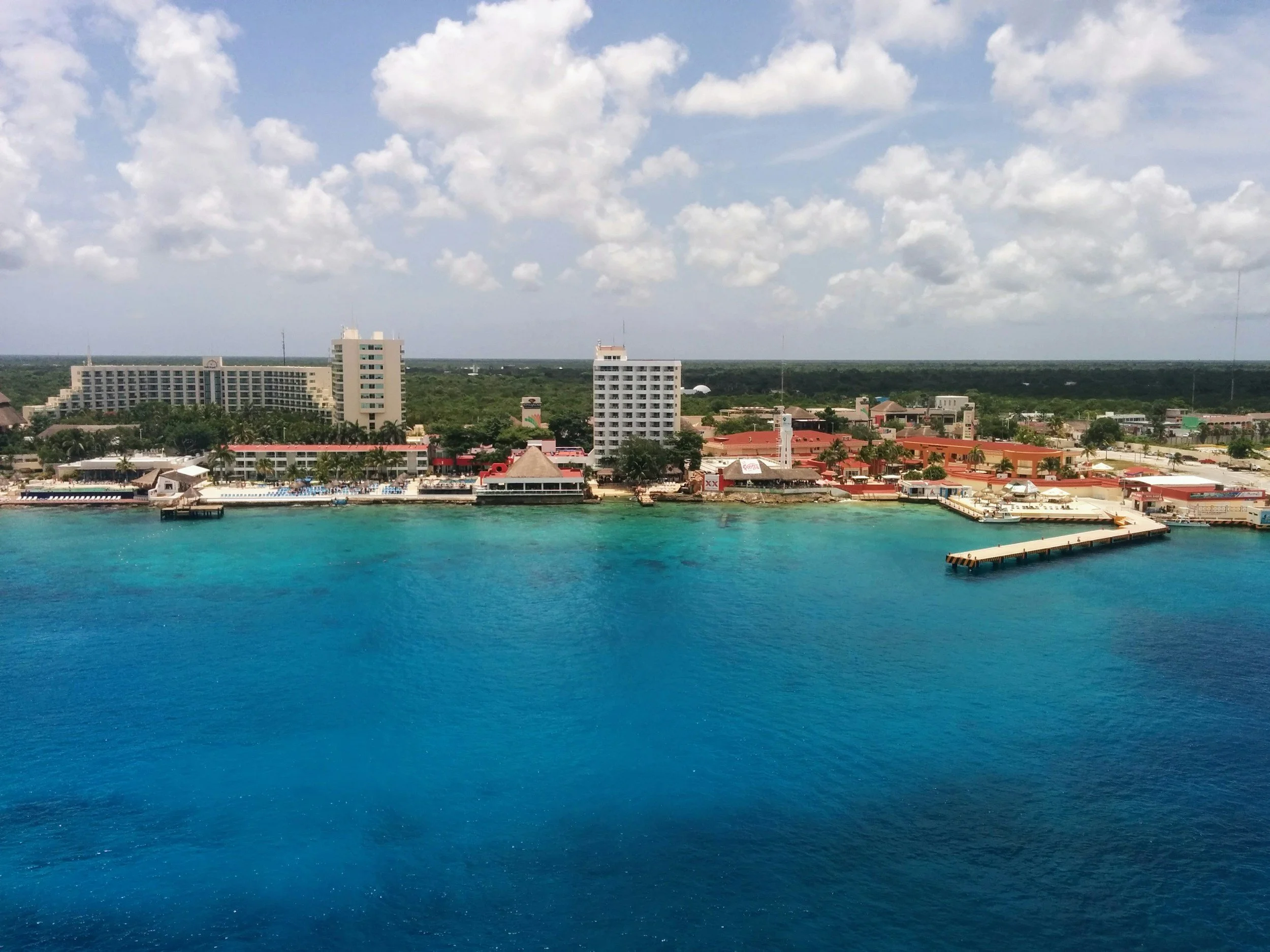
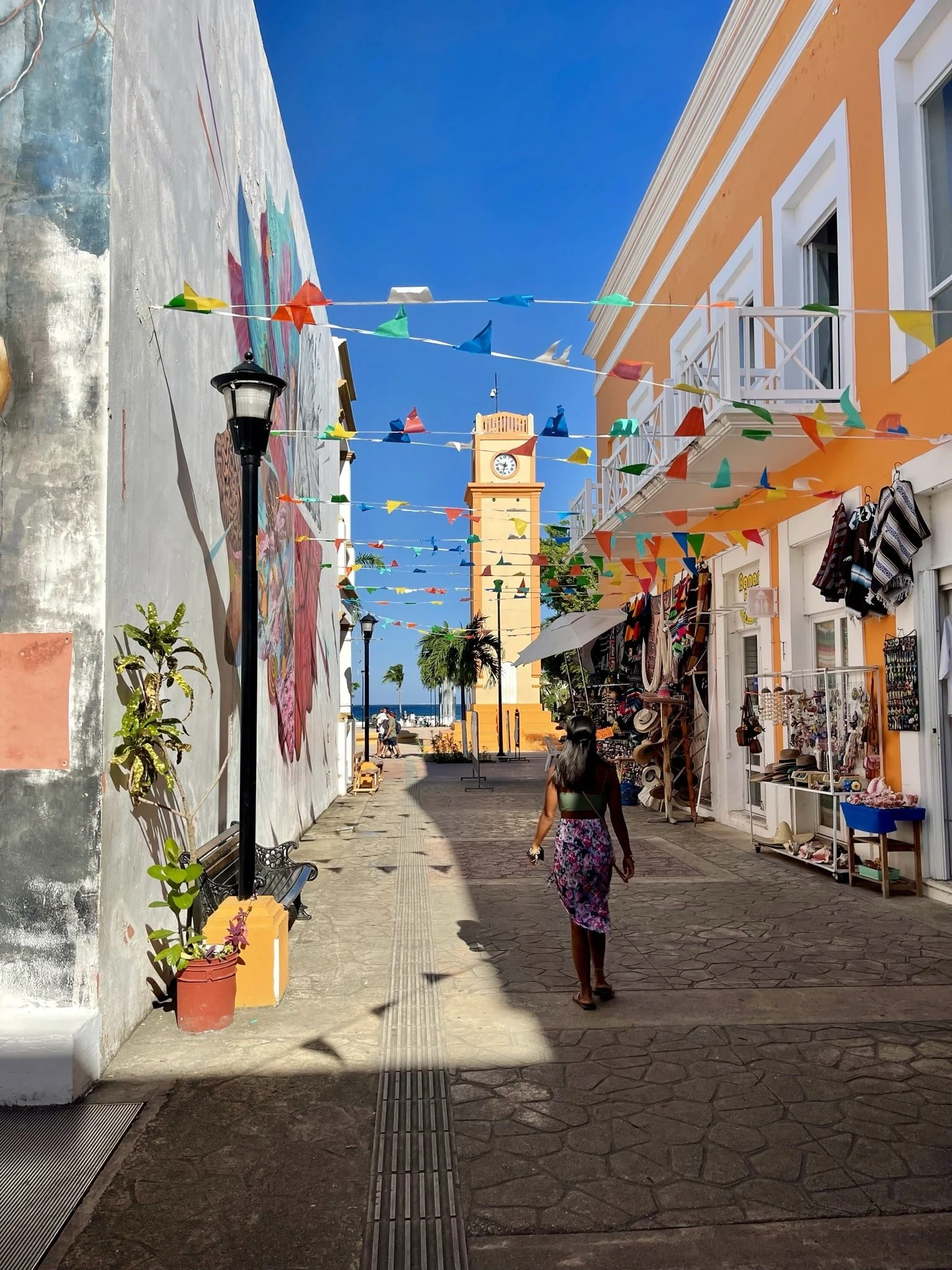
A view of hotels along the shoreline in Cozumel
Parasailing During the Rainy Season in Cozumel
Cozumel's rainy season, spanning June through November, introduces unique challenges for parasailing enthusiasts. While precipitation does not automatically preclude parasailing activities, increased likelihood of sudden storms and unpredictable weather patterns necessitates careful planning. During these months, short, intense rainfall can occur rapidly, potentially interrupting planned parasailing excursions. Tropical systems and occasional hurricanes pose additional risks, requiring flexible scheduling and close monitoring of weather forecasts. Despite these challenges, skilled parasailing operators continue offering experiences during the rainy season by maintaining strict safety protocols and leveraging advanced meteorological tracking technologies. Travelers interested in parasailing during these months should maintain communication with local operators, remain flexible with scheduling, and purchase comprehensive travel insurance that covers weather-related disruptions.
How Seasonal Crowds Affect Availability and Pricing
Crowd dynamics significantly influence parasailing availability and pricing in Cozumel. Peak tourist season from mid-December through April sees exponential increases in demand, driving up prices and reducing booking flexibility. During this period, multiple cruise ships contribute to heightened competition for parasailing slots, requiring advanced reservations. Prices can increase by 30-50% compared to off-peak months. Conversely, shoulder and off-seasons present more affordable and accessible parasailing opportunities. May, June, and November offer reduced prices and more personalized experiences, with fewer tourists competing for limited parasailing time slots. Savvy travelers can leverage these periods to secure better rates and more individualized experiences. Professional parasailing companies often provide promotional packages during less crowded months to attract adventurous tourists seeking unique experiences.
Planning Parasailing Around Your Cozumel Vacation
Strategic vacation planning maximizes parasailing enjoyment in Cozumel. Travelers should consider multiple factors beyond pure weather conditions, including personal comfort levels, physical fitness, and overall vacation objectives. Consulting local parasailing operators about specific daily conditions, understanding personal risk tolerance, and maintaining flexibility can significantly enhance the experience. Recommended preparation includes maintaining physical fitness, understanding basic safety protocols, and selecting reputable parasailing providers with proven safety records. Travelers should also consider purchasing comprehensive travel insurance covering adventure activities and maintaining open communication with local operators about potential weather-related scheduling changes.
Summary
December through April offers the most reliable parasailing conditions
Morning sessions provide smoother, more predictable flights
Peak tourist season means higher prices and reduced booking flexibility
Wind speeds between 10-20 miles per hour create optimal parasailing experiences
Professional operators prioritize safety through continuous weather monitoring
Shoulder seasons offer more affordable and personalized parasailing opportunities
Flexibility and advanced planning maximize parasailing enjoyment in Cozumel