
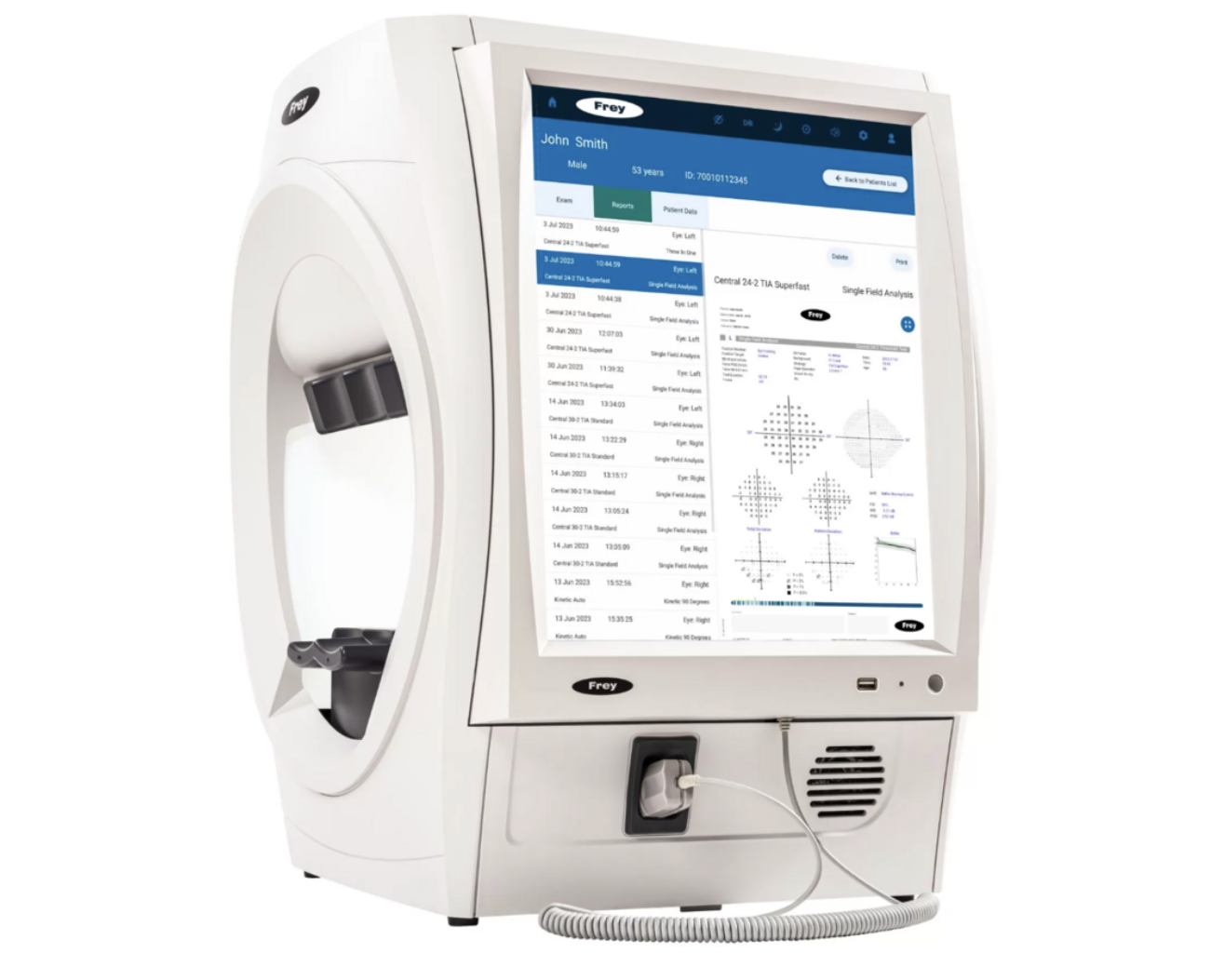
Improving Eye Care Through Accurate Testing Technology
When eye care professionals need reliable tools to assess patients’ visual abilities, having access to modern equipment is essential. One example is the range of visual field analysers available at BOC Instruments, which provide clinics with accurate, efficient methods to measure a patient’s peripheral vision and detect potential vision loss. These machines help optometrists, ophthalmologists and medical researchers diagnose eye conditions sooner and plan targeted treatments that support long-term eye health.
Understanding the importance of precise visual testing is key for both practitioners and patients. Peripheral vision plays a major role in everyday activities such as driving, walking and navigating busy environments. When this part of vision is affected, quality of life can decline. With professional equipment designed for testing the full range of vision, eye clinics are better equipped to identify subtle issues early and ensure patients receive appropriate care.
Why Visual Field Testing Is Important
Visual field testing measures the full horizontal and vertical range of what a person can see. It is a fundamental aspect of diagnosing and tracking eye health.
Detecting Eye Diseases Early
Visual field tests help identify diseases such as glaucoma, macular degeneration or optic nerve damage. These conditions may start with mild vision loss that is not noticeable to the patient. Early detection helps prevent further deterioration.
Supporting Neurological Assessment
Changes in visual fields can indicate neurological issues related to the brain, optic pathways or retina. Doctors use visual field tests to investigate possible brain injuries, strokes or neurological disease.
Monitoring Progression
For patients diagnosed with eye conditions, visual field analysers provide precise measurements to track changes over time. This helps clinicians adjust treatments based on accurate data.
Improving Patient Outcomes
With reliable testing, eye care professionals can improve treatment strategies and support the prevention of vision loss. Educated patients are more likely to take early actions that support long term eye health.
Visual field testing is a key part of comprehensive eye care and patient management.
How Visual Field Analysers Work
Visual field analysers measure how well a patient can see objects in their peripheral vision. These devices present a series of light stimuli across a screen and record responses as the patient indicates what they see.
Static Perimetry
Static perimetry tests involve showing lights at fixed positions within the visual field. The patient presses a button when they detect a light. This method helps map sensitivity levels in different parts of the eye.
Kinetic Perimetry
In kinetic perimetry, light moves from outside the visual field towards the centre. The clinician notes when the patient first sees the moving light. This method often suits patients with certain neurological or peripheral vision issues.
Interpreting the Results
Collected data generates a visual field map, which clinicians review to identify abnormalities, blind spots or progressive loss. Based on measured sensitivity, doctors can compare results against normal vision ranges.
With regular calibration and good practice, these tests provide accurate, repeatable results.
Key Features of Modern Visual Field Analysers
Technology has improved visual field testing both for clinicians and patients. Modern devices offer benefits that enhance testing accuracy and patient comfort.
Faster Testing Times
Advanced analysers deliver results more quickly, reducing the time the patient needs to remain still and focused.
Higher Precision
Improved software and visual technology lead to more precise readings, reducing margin of error and increasing confidence in diagnosis.
Patient Comfort and Accessibility
Modern machines are designed to make testing less stressful. Patients sit comfortably and follow a clear process, making testing suitable for a wider range of people, including older adults and those with limited mobility.
Data Tracking and Analytics
Analysers can store and compare data across sessions. This helps clinicians monitor changes over time and make better decisions based on accurate records.
Integration With Clinical Workflows
Digital systems connect to patient records and clinic databases, allowing quick access to previous results and supporting streamlined clinical workflows.
Clinics that invest in updated equipment improve the quality of service they provide.
Why Clinics Choose Equipment From BOC Instruments
Clinics and research facilities need dependable suppliers for their essential equipment. BOC Instruments offers a range of products designed for clinical efficiency and long term use.
Wide Range of Devices
In addition to visual field analysers, suppliers often offer complementary equipment like autorefractors, optical coherence tomography machines or tonometers. Clinics can often source multiple devices from a single distributor.
High Quality Standards
Equipment supplied is tested and calibrated for optimal reliability. Quality ensures that clinicians get trustworthy results each time.
Professional Support and Service
Good suppliers provide installation support, staff training and after sales service. This ensures that clinics maximise the value of their investment.
Training and User Assistance
Many suppliers provide educational material or training to help staff confidently use devices and interpret results.
Choosing a reputable supplier improves clinic performance and patient care.
When Patients Need Visual Field Testing
There are many situations where an eye care professional may recommend a visual field test.
Symptoms of Peripheral Vision Loss
Patients who notice difficulty seeing on the sides, bump into objects or have trouble driving may need testing.
Glaucoma Screening and Monitoring
Glaucoma affects the optic nerve and can cause gradual vision loss. Regular testing is a key part of managing the condition.
After Neurological Events
Patients who have had strokes, head injuries or neurological conditions may require visual field testing to assess related vision changes.
Routine Eye Checks for At-Risk Patients
People with diabetes, high blood pressure or a family history of eye disease may also benefit from scheduled testing.
Prompt evaluation helps patients get appropriate care without waiting until symptoms worsen.
Preparing for a Visual Field Test
Patients can help ensure accurate results by preparing properly.
Arrive well rested so you can concentrate during the test
Bring a list of current medications, as some may affect vision
Mention recent eye issues or any changes in vision
Avoid caffeine or stimulants right before testing, as this can make focusing difficult
Follow technician or clinician instructions carefully for best results
Clear communication between patient and clinician improves the experience and the outcome.
How Visual Field Results Influence Treatment Plans
Once the test is complete, clinicians analyse the visual field map to identify patterns. These results support diagnosis and long term care.
Spotting Blind Spots
Blind spots, also known as scotomas, are areas where vision is missing. Early identification helps clinicians investigate underlying causes.
Adjusting Treatments
Patients may require medication adjustments, surgical recommendations or vision rehabilitation based on results.
Planning Follow-Up Testing
Clinicians schedule future tests to track changes and monitor disease progression.
Strong clinical decisions are built on reliable, repeatable testing results.
Tips for Clinics Managing Visual Field Testing
Handling visual field testing efficiently requires good practice and patient communication.
Maintain Equipment Calibration
Regular calibration ensures that test results remain accurate and reliable.
Create a Comfortable Setting
Test rooms should have good seating, clear instructions and minimal distractions. Patients feel more at ease and perform better.
Educate Patients on the Process
Explaining how the test works reduces anxiety and improves cooperation.
Keep Detailed Records
Monitor trends over time and compare results with previous tests to support thorough evaluation.
Consistency in testing and recording helps clinicians track subtle changes.
Conclusion
Visual field testing is an essential tool for supporting eye health, early diagnosis and long term patient care. With modern devices such as the visual field analysers available at BOC Instruments, clinics can improve diagnostic accuracy, streamline workflows and provide better support for patients. Whether a clinic is focusing on glaucoma monitoring, neurological assessments or routine eye care, reliable visual field technology plays a central role in evaluating vision and improving patient outcomes.
Patients benefit from early intervention, improved treatment plans and enhanced understanding of their eye health. Clinics benefit from dependable equipment, streamlined testing processes and stronger patient trust. Together, these advantages improve the quality of eye care delivery and support healthier vision for all.