Why Some Knee Injuries Heal Slowly and How to Speed Recovery
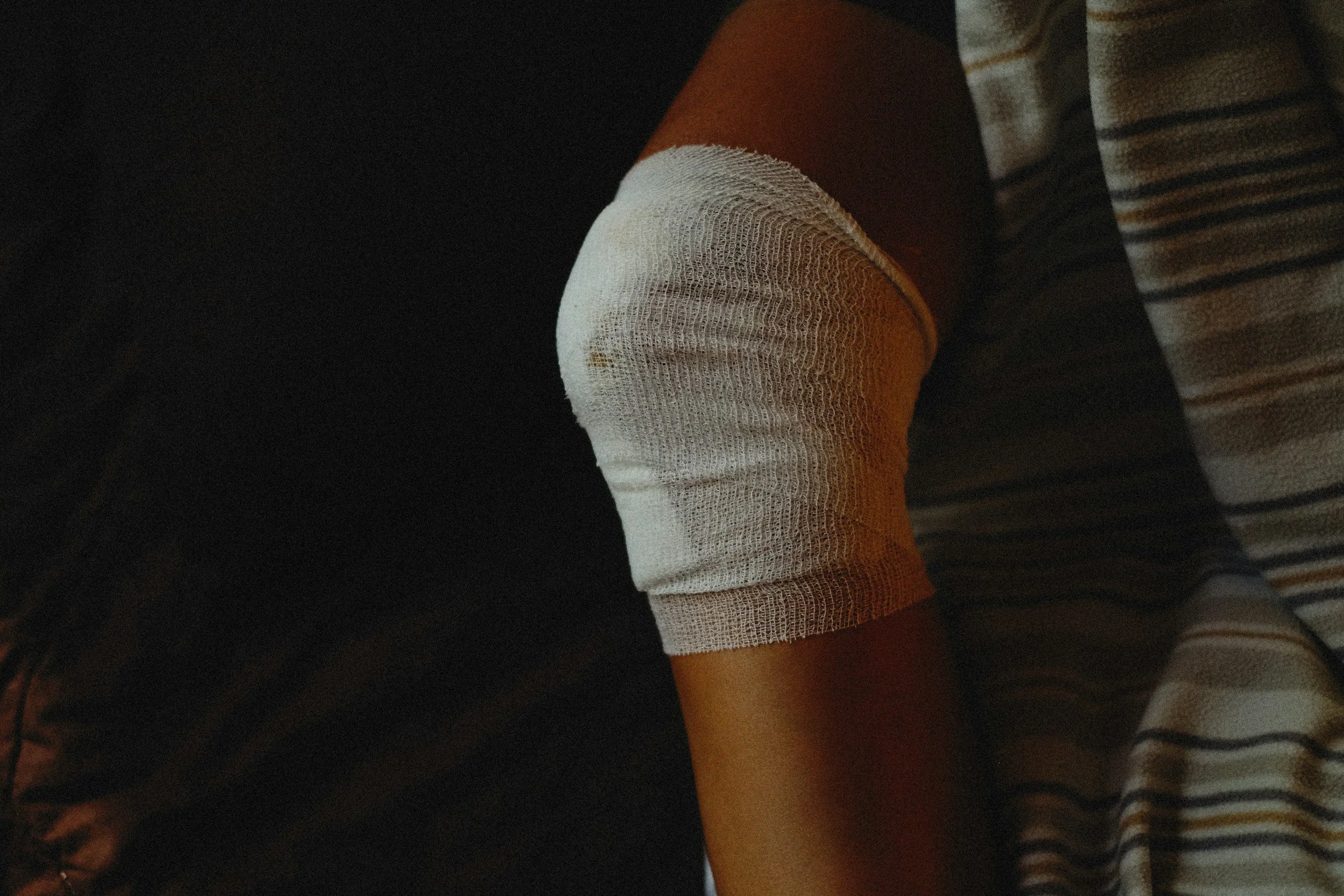
It often starts with a small incident. A twist during exercise, an awkward movement, or a slip on a wet surface. The initial pain may ease, but the discomfort often lasts longer than expected. For many people, knee injuries can take months to fully heal, making even simple daily activities feel slow and frustrating.
Patience becomes an important part of recovery, but it is natural to wonder why healing takes so much time. The knee is one of the most complex joints in the body, and once it is injured, returning to normal movement is rarely quick or simple. Each stage of recovery depends on how well the tissues heal and how carefully rehabilitation is carried out.
With more people leading active lifestyles, injuries to ligaments, tendons, and cartilage have become more common. As a result, many people are exploring advanced treatments and rehabilitation programs that focus on targeted healing and cartilage restoration, which clinics now commonly provide.
The Complexity of the Knee Joint
The Role of Joint Structure
The knee plays a big role in helping the body move, stay balanced, and remain stable. It connects the thigh bone, shin bone, and kneecap, and these bones are supported by ligaments, tendons, and cartilage. When any one of these parts is injured, healing can be slow because each part works differently and heals at its own pace.
Cartilage, for example, acts like a cushion that absorbs impact when you move. But unlike other tissues, it has very little blood supply, which means it cannot heal quickly on its own. Without enough blood bringing oxygen and nutrients, damaged cartilage takes much longer to recover. This is why even small tears or wear inside the joint can take months to improve, even with the right treatment and care.
Limited Blood Supply
Unlike muscles, which heal faster because they receive plenty of blood flow, the inner parts of the knee heal much more slowly. Ligaments and cartilage do not get direct blood supply and must rely on nearby tissues to bring nutrients to them. Because of this, even a minor injury can turn into a long recovery process.
Ongoing inflammation can slow healing even more. After an injury, the body sends healing cells to protect and repair the area. In the knee joint, however, this response can last too long, causing continued swelling, stiffness, and discomfort. When inflammation does not settle, recovery often takes longer than expected.
Age and Activity Levels
Another reason knee injuries heal slowly is age and activity level. Younger people usually heal faster because their bodies repair cells more quickly. Older adults may heal more slowly due to lower collagen levels and reduced blood flow. Very active people can also slow recovery if they return to exercise too soon. Using the knee before it is fully healed can lead to reinjury or ongoing pain.
Factors That Slow Down Recovery
Incomplete Rest and Rehabilitation
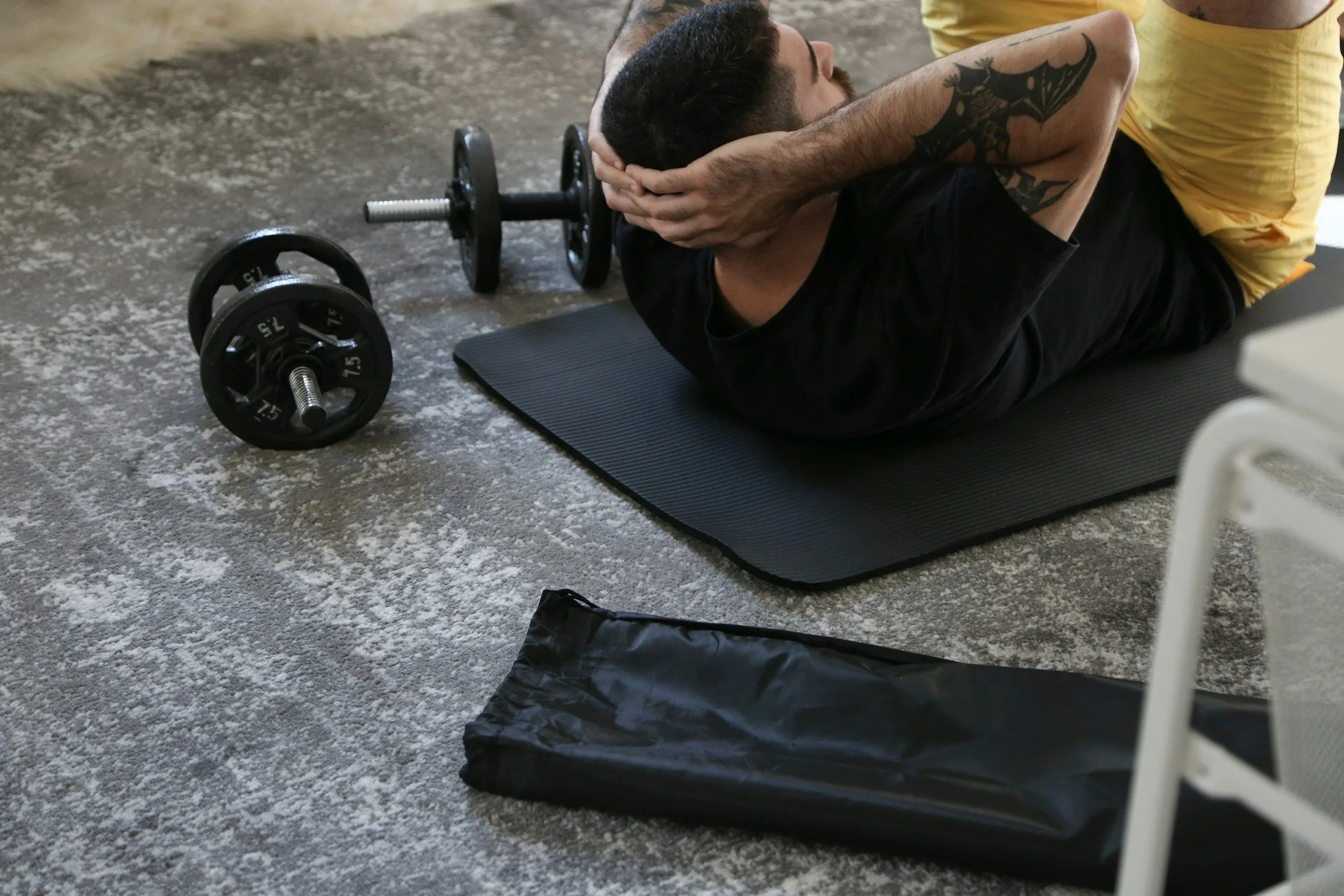
One common reason healing takes longer is not resting enough. Many people start moving normally before the knee is strong again. This can delay healing and cause more irritation. Rest, combined with gentle exercises guided by a physiotherapist, allows the knee to recover safely.
Good rehabilitation focuses on balance, flexibility, and muscle strength. Stronger muscles around the knee reduce stress on the joint and support healing. Recovery is not about avoiding movement completely, but about moving in a controlled and safe way.
Lifestyle and Recovery Habits
Daily habits outside therapy also affect recovery. Poor sleep, high stress, and unhealthy eating can slow tissue repair. The body needs proper nutrition and enough water to heal well. Protein, vitamins, and minerals support collagen building, lower inflammation, and help restore the joint.
It is also important to manage expectations. Healing does not happen in a straight line. Some days feel better, while others bring stiffness or swelling. Staying patient, following routines, and listening to the body helps avoid setbacks and supports long term recovery.
Ways to Support Faster Healing
Early Diagnosis and Personalized Care
Early diagnosis plays a key role in better recovery. Seeing an orthopedic specialist early helps identify the exact injury, whether it affects ligaments, tendons, or cartilage. Once the cause is clear, a care plan can be created to suit the person’s needs. This may include rest, physiotherapy, medication, and sometimes minor procedures.
Medical progress has improved recovery options for joint injuries. People with ongoing knee problems may benefit from treatments that support tissue healing. Doctors now use newer methods to help cartilage recover and reduce swelling. These approaches aim to improve movement while lowering the risk of long term problems.
Targeted Physiotherapy and Movement
Physiotherapy is one of the most effective ways to support knee healing. Guided exercises help bring back movement and strength without overloading the joint. Therapists usually start with gentle mobility work, followed by muscle strengthening and posture training.
Hydrotherapy, light exercise, and stretching help keep blood flow moving around the knee. These controlled movements reduce stiffness and support healing. Over time, the body relearns safer movement patterns that protect the knee from future injury.
Mindset and Consistency
Recovery is both physical and mental. Slow progress can feel frustrating, but staying consistent makes a real difference. Following therapy plans and recognising small improvements helps maintain motivation. Healing depends not only on treatment but also on patience and self care.
Restoring Confidence in Movement
Knee injuries require time and understanding. Knowing why recovery can be slow helps people treat their bodies with more care. It also encourages early medical advice and proper rehabilitation.
Modern medical care now makes it easier than ever to restore joint health. Advances in cartilage repair, physical therapy, and personalised care programs help people heal more effectively. Each step in recovery builds strength, stability, and confidence for the future.
True recovery is not only about repairing the knee. It is about rebuilding trust in the body and feeling confident to move freely again.