Air Conditioning Service Checklist Every Homeowner Should Know
Owning an air conditioning system is essential for comfort during hot weather, but regular maintenance ensures it runs efficiently and lasts longer. Many homeowners are unaware of the important tasks involved in servicing their air conditioners, which can lead to unexpected breakdowns and higher energy bills. Proper upkeep improves indoor air quality and helps avoid costly repairs down the line. We will explore a detailed checklist of essential maintenance tasks that every homeowner should be familiar with to keep their air conditioning systems functioning smoothly and reliably throughout the seasons.
Essential Air Conditioning Service Checklist for Homeowners
1. Check and Replace Air Filters Regularly
Air filters are crucial in trapping dust, allergens, and other airborne particles before they enter the cooling system. Over time, these filters become clogged, reducing airflow and making the air conditioner work harder to cool your home. This can cause increased energy consumption and strain on the system’s components. Homeowners visiting the company’s website should be reminded to inspect the air filters at least once a month during peak usage periods and replace them every 1 to 3 months, depending on the filter type and environmental conditions. Clean filters enhance air quality, improve cooling efficiency, and prolong the unit's life.
2. Inspect and Clean the Condenser Coils
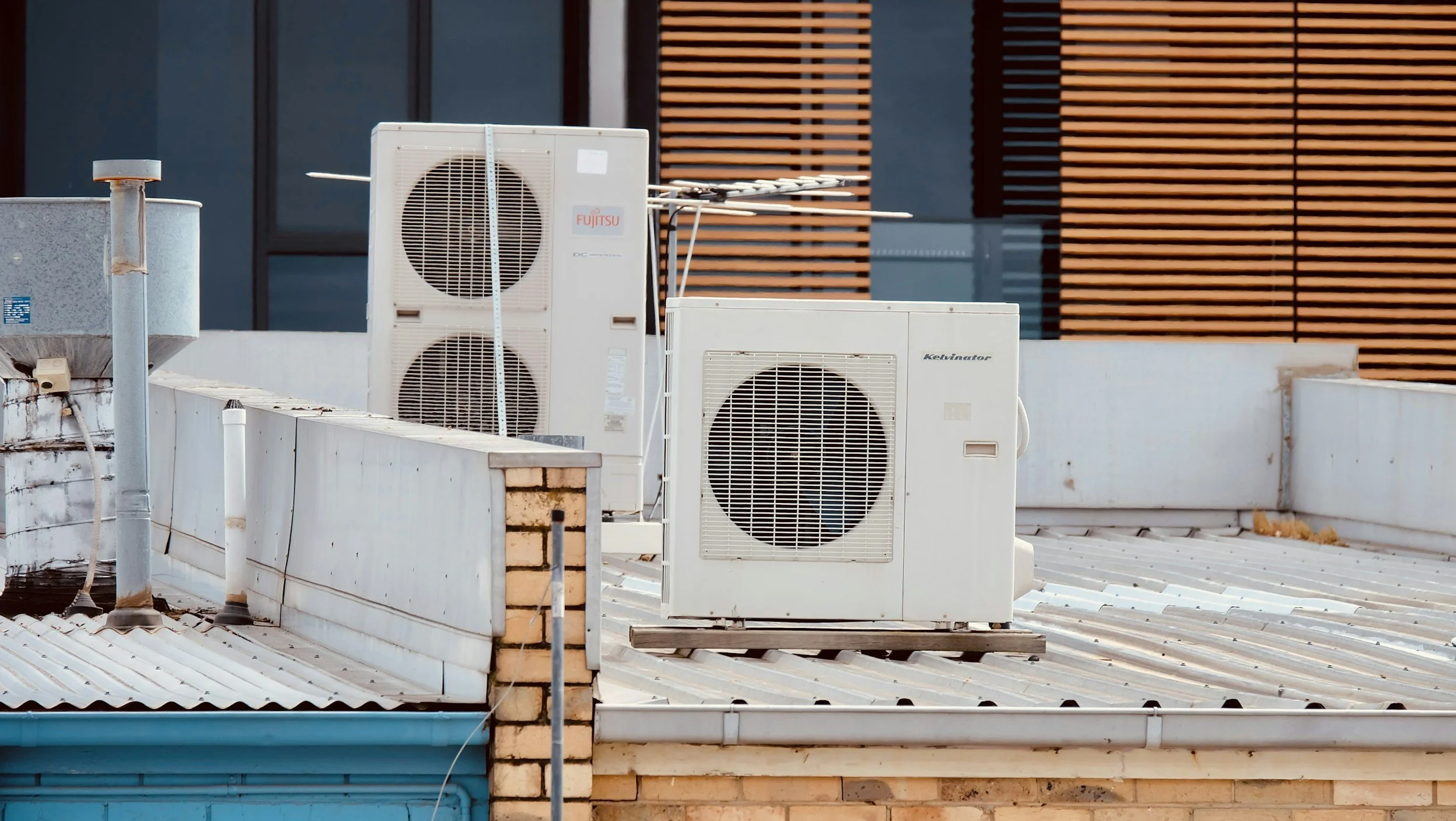
The condenser coils in the outdoor unit are responsible for releasing the heat absorbed from inside the home. Dirt, leaves, and debris often accumulate on these coils, reducing their ability to dissipate heat effectively. When the coils are dirty, the air conditioning system must work harder, which can lead to overheating and premature wear. Homeowners should remove debris around the outdoor unit and gently clean the coils annually using a soft brush or coil cleaner to maintain optimal heat transfer. Ensuring the clean condenser coils supports better energy efficiency and helps prevent costly repairs.
3. Examine the Refrigerant Levels
Refrigerant is the fluid that absorbs heat inside the house and releases it outdoors. Low refrigerant levels can result from leaks or improper charging and can cause the system to cool inadequately. Signs of insufficient refrigerant include longer cooling cycles, higher energy consumption, or ice buildup on the coils. Although checking and refilling refrigerant requires technical knowledge and special equipment, homeowners should be aware of the symptoms and call for professional service if they suspect a problem. Maintaining correct refrigerant levels ensures the air conditioner operates efficiently and extends its operational lifespan.
4. Clean and Straighten the Fins
The fins on the evaporator and condenser coils help direct airflow through the unit. Over time, these thin metal fins can become bent or clogged with dirt and debris, restricting airflow and decreasing efficiency. Homeowners can gently clean the fins with a soft brush and use a fin comb to straighten any bent sections. Careful maintenance of the fins allows air to pass smoothly, improving cooling performance and reducing energy use. This simple task can prevent minor issues from developing into more serious problems.
5. Check the Thermostat Settings and Functionality
The thermostat controls the temperature and overall operation of the air conditioning system. Incorrect settings or a malfunctioning thermostat can lead to inconsistent temperatures or excessive energy consumption. Homeowners should regularly test their thermostats to ensure they respond accurately to adjustments and maintain the desired temperature. Upgrading to a programmable thermostat can also improve efficiency by allowing customized temperature schedules based on when the home is occupied. Keeping the thermostat in proper working order contributes to comfort and energy savings.
6. Inspect Electrical Connections and Components
The electrical system within an air conditioner powers the motors, fans, and compressor. Loose connections, frayed wires, or worn contacts can cause the system to malfunction or stop working entirely. Although some electrical inspections should be left to qualified technicians, homeowners can visually check accessible components for obvious signs of wear or damage. Regular electrical maintenance helps avoid unexpected shutdowns and potential safety hazards. Timely attention to electrical issues can extend the air conditioning unit's life and maintain consistent performance.
7. Clear the Condensate Drain Line
During cooling, moisture accumulates and drains away through a condensate line. If this drain becomes clogged with algae, dirt, or debris, water can back up and cause leaks or damage to the system and surrounding areas. Homeowners should periodically inspect the drain line for blockages and clean it using a solution of bleach and water or a specialized drain cleaner. Ensuring the condensate drain line remains clear helps prevent water damage and keeps the system operating smoothly.
8. Schedule Professional Tune-Ups Annually
While homeowners can perform many maintenance tasks, an annual professional inspection and tune-up provides a thorough evaluation of the entire air conditioning system. A technician can identify potential problems, test refrigerant levels, tighten electrical connections, and ensure all components operate efficiently. This preventative approach reduces the risk of breakdowns and prolongs the system's lifespan. Planning yearly service visits helps homeowners maintain optimal cooling performance and avoid costly repairs during peak seasons.
Proper attention to these maintenance tasks ensures that an air conditioning system delivers consistent comfort and energy efficiency. Staying on top of regular checks and upkeep helps homeowners avoid unexpected malfunctions and costly replacements, making the investment in cooling equipment more worthwhile.
Regular care of an air conditioning unit is an important part of responsible homeownership. Understanding the key areas to monitor and maintain empowers homeowners to keep their systems running smoothly through hot months. We have explored a checklist designed to provide clear guidance on the essential tasks involved in air conditioning service. By following these recommendations, homeowners can ensure that their cooling systems remain reliable, efficient, and ready to provide comfort when needed.